Bedtime Procrastination & Screens: Why We Stay Up Too Late
Bedtime procrastination is quietly draining your sleep and energy.
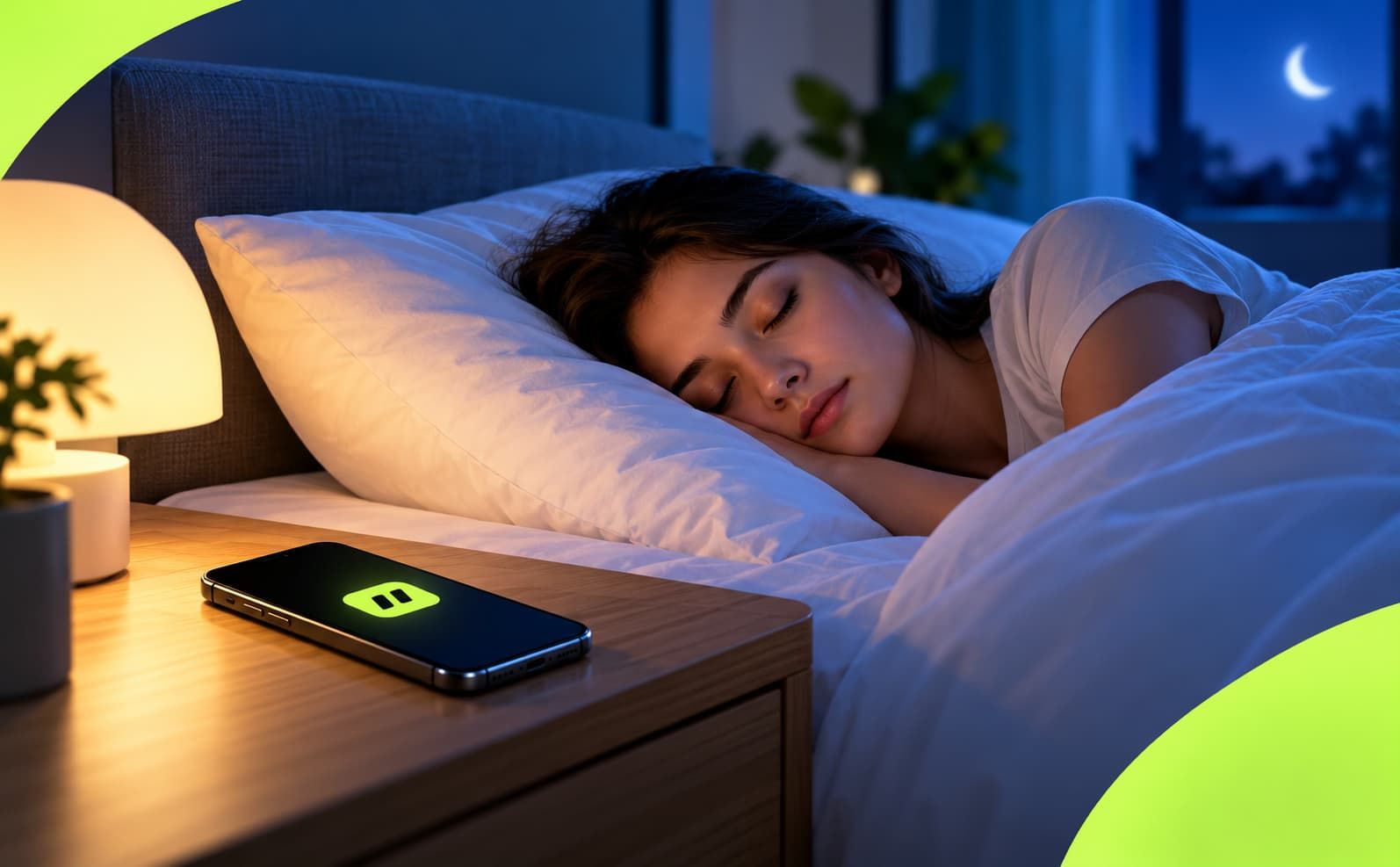
You plan to sleep at 11 PM, but it becomes midnight or 1 AM and you are still on your phone. You are tired, you want to sleep, yet you keep scrolling.
This is not just laziness. Bedtime procrastination means choosing to delay sleep even though you know you will feel worse the next day. Unlike insomnia, it’s a choice, except it doesn’t feel like one.
Your brain rewards you in the moment for staying awake, while your sleep quality and body clock, also called your
circadian rhythm, are slowly disrupted by working against each other instead of one another.
Research from the Association for Adolescent Health and Medicine links heavy smartphone use, bedtime procrastination, and poorer sleep.
Why Your Brain Gives In To Your Phone By Night
Bedtime procrastination happens most at night because your brain is exhausted.
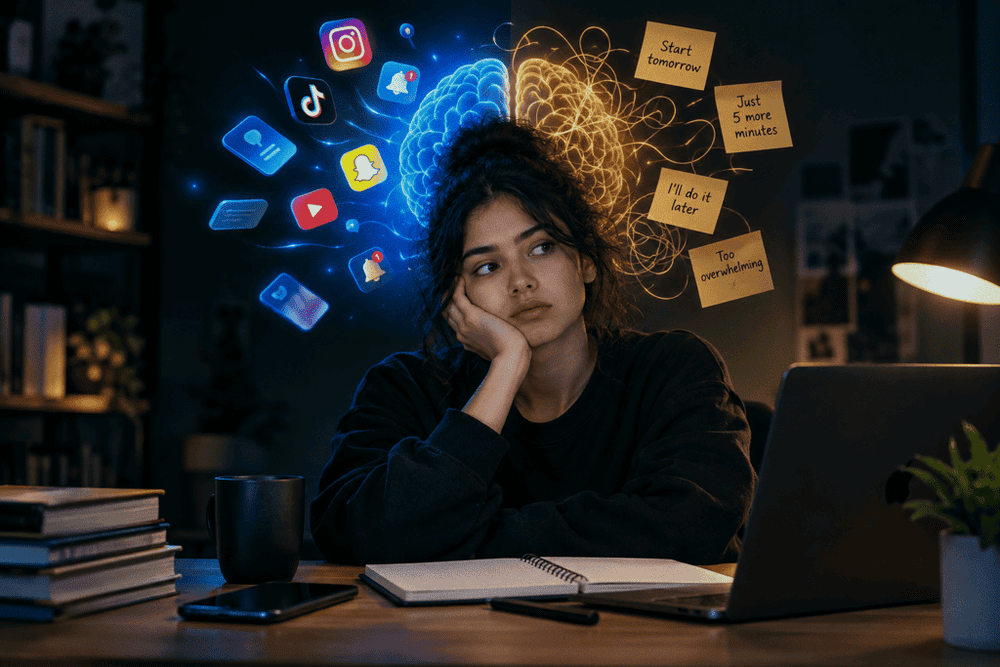
By evening, your mental energy and self control operated by your prefrontal cortex are running low after a full day of decisions and stress. At the same time, your brain is craving something easy and rewarding.
Every notification, like, or video gives a burst of dopamine, a chemical that makes things feel interesting and worth repeating. Your body is also trying to increase melatonin, the hormone that helps you feel sleepy.
Late night scrolling sends mixed signals. Dopamine tells your brain to stay awake, while melatonin is trying to slow you down. When you are tired, it is much harder to choose sleep over another scroll.
If tomorrow feels stressful or overwhelming, your phone also becomes an escape. It feels like extra personal time, but you are really borrowing energy and focus from the next day.
How Bedtime Screen Use Hurts Your Sleep
Bedtime screens do not just shift your sleep time. They also reduce how restful your sleep is.
Research from the Association for Adolescent Health and Medicine suggests that heavy smartphone use leads to more bedtime procrastination, which then leads to worse sleep quality.
Using your phone in bed can
disrupt your sleep patterns even if your total sleep hours look fine. When you scroll right before sleep, your mind stays active, replaying content and conversations instead of winding down.
A study in the
Journal of Clinical Sleep Medicine found that 90.6% of people use their phones in bed, and that extra screen time at bedtime is linked with a higher risk of insomnia by 59% and less total sleep.
Poor sleep then leaves you more tired the next evening, which weakens your self control and makes it easier to fall back into the same scrolling cycle.
How Screens Confuse Your Body Clock
Bedtime procrastination with screens also confuses your circadian rhythm, your internal 24 hour clock that tells you when to feel awake and when to feel sleepy.
This clock is guided by light. Your body expects bright light in the morning and dim light at night. Evening screen use interrupts this signal.
Blue light from phones and other devices mimics daylight, signaling daytime to your brain. It tells your system to stay alert, even when it is late.
Research in
The Journal of Clinical Endocrinology and Metabolism shows that around two hours of blue light before bed can suppress melatonin levels by over 50%. With less melatonin, it takes longer to fall asleep and your sleep can become lighter and more broken.
You also have short natural "sleepy windows" in the evening. If you scroll through that first wave of drowsiness, you may need to wait much longer before you feel sleepy again, pushing bedtime later and later.
Breaking bedtime procrastination starts with small, realistic changes, not guilt.
First, respect your first drowsy window. When your eyes feel heavy or your body slows down, treat that as your cue to put the phone away and go to bed.
Next, create a screen free buffer. Aim for 30 to 60 minutes without your most engaging apps before sleep. Use this time for low stimulation activities like stretching, reading a physical book, or light chores.
Tools like
Jolt can help by setting bedtime wind down sessions that automatically block selected apps before sleep, so you are not relying on last minute willpower.
Move your "me time" earlier. If you scroll or stream to relax, shift that to earlier in the evening, such as 6 PM to 8 PM, instead of close to midnight. You still get downtime without sacrificing rest.
Spend a few minutes planning tomorrow. Write down your main tasks and stressors for the next day. When your brain feels more prepared, there is less urge to escape into your phone at night.
Add one short wind down habit. Journaling for 5 to 10 minutes, simple breathing exercises, or gentle stretches can help your mind slow down and make it easier to fall asleep once the lights go off.
Build A Bedtime System That Works Every Night
Lasting change comes from simple steps you consistently follow, not following the perfect routine for a night, only for it to fail long-term.
- Week 1: Block your three most-used apps one hour before bed. Track daily.
- Week 2: Add a short wind-down habit like journaling, reading, or meditating before bed.
- Week 3: Keep your sleep and wake times as consistent as possible, even on weekends, within about a two hour range. Make your bedroom cool, dark, and quiet.
- Week 4: Review your sleep quality. Most people see improvement within this timeframe.
Apps such as Jolt make this easier by automating app blocking and session timing, so your evening boundaries run on autopilot.
Quality sleep is the ultimate form of self-care. Each late night weakens tomorrow's willpower, creating a tightening spiral. And,
poor sleep habits drain your energy by prioritizing sleep as a foundation to daily performance.
So, with the right structure in place, it becomes your gateway to better sleep, sharper days, and a life less controlled by your screen and more controlled by you.
Break The Bedtime Procrastination Cycle Starting Tonight
Bedtime procrastination is a pattern shaped by tiredness, app design, and light from screens, not a fixed part of your personality. You can change the pattern with structure instead of struggle.
Tonight, try blocking your three most distracting apps for one hour before bed and add just one simple wind down habit. Notice how your body and mind respond the next morning.
Over time, these small steps help your sleep, self control, and focus recover. Your phone stops running your nights, and your evenings start working for you again.
Frequently Asked Questions:
- What is bedtime procrastination and how is it different from insomnia?
Bedtime procrastination is intentional sleep delay even when you are tired and able to sleep. Insomnia is when you want to sleep but cannot, even without screens.
- How does smartphone use lead to bedtime procrastination?
Smartphones keep you awake by constant dopamine release through notifications and content. At night your self control is low, so you keep scrolling instead of going to sleep.
- How does blue light from screens affect sleep?
Blue light from screens looks like daytime to your brain. It lowers melatonin, your sleep hormone, which delays your natural sleep signal and makes it harder to fall asleep.
- What are the consequences of bedtime procrastination on productivity?
Staying up late harms focus, decision making, and mood the next day. Repeated late nights make work, study, and daily tasks feel harder and more draining.
- How can I stop bedtime procrastination without relying only on willpower?
Use app blocking, simple routines, and earlier "me time." Block engaging apps before bed, plan tomorrow briefly, and add a short wind down habit every night.
- What is a simple way to rebuild a healthy bedtime routine?
Start small. Keep a regular sleep schedule, block distracting apps before bed, and repeat one calming habit each night until it starts to feel automatic.

 Download Now
 Take charge of your time