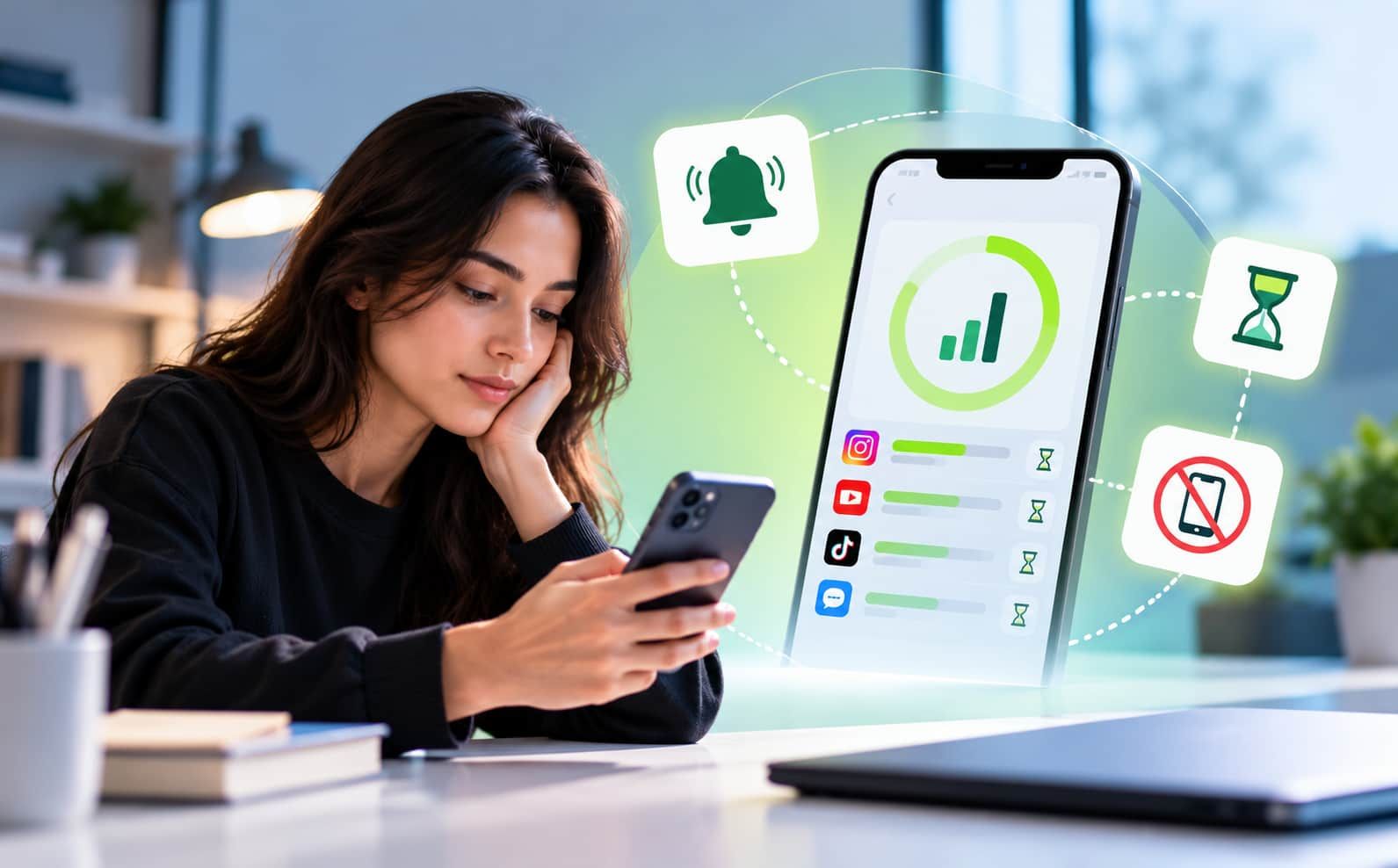
How to Do a 7-Day Digital Detox to Reset Your Brain and Improve Focus
Constant notifications. Endless scrolling. Mental fatigue.
If your brain feels scattered and your focus is slipping, you don’t need more productivity hacks, you need a reset.
A digital detox isn’t about quitting your phone. It’s about regaining control over your attention.
Research shows that reducing screen exposure can improve focus, sleep, and overall mental well-being . Even short breaks from digital overload can help restore attention span and reduce dependency .
This 7-day plan is designed to help you gradually reset your habits, without extreme restrictions.
What Is a Digital Detox (And Why It Works)?
A digital detox is a deliberate reduction in screen use to break patterns of distraction and overstimulation.
When you’re constantly switching between apps, your brain never fully focuses. In fact, it can take over 20 minutes to regain focus after an interruption .
That’s why even small changes can make a big difference.
Your 7-Day Digital Detox Plan
Day 1: Awareness Before Action
Start by observing, not changing.
- Check your daily screen time
- Notice your most-used apps
- Identify when you use your phone the most
Goal: Build awareness
Day 2: Turn Off Non-Essential Notifications
Notifications are the biggest source of distraction.
- Disable social media alerts
- Keep only essential notifications (calls, messages)
Goal: Reduce interruptions
Day 3: Create Phone-Free Zones
Set boundaries in your environment.
- No phone during meals
- No phone in the bathroom
- Keep your phone away while working
Goal: Break automatic habits
Day 4: Set Time Limits on Apps
You don’t need to delete apps—just limit access.
- Set daily limits for social media
- Use app blockers during work hours
Goal: Add friction to mindless scrolling
Day 5: Replace, Don’t Remove
If you remove screen time without replacing it, you’ll relapse.
Try:
- Reading
- Walking
- Journaling
- Face-to-face conversations
Goal: Build better habits
Day 6: No Screens Before Bed
Your brain needs time to slow down.
- Avoid screens 30–60 minutes before sleep
- Replace scrolling with a calming routine
Excessive nighttime scrolling is one of the biggest reasons people struggle with sleep and focus the next day.
Goal: Improve recovery and energy
Day 7: Half-Day Digital Detox
Now test your progress.
- Stay off social media for half a day
- Use your phone only for essential tasks
By this point, you’ll notice:
- Better focus
- Less urge to check your phone
- More mental clarity
Goal: Reset your baseline
Why Most People Fail at Digital Detox
The biggest mistake? Relying on willpower.
What Happens After 7 Days?
You won’t become “perfect”, but you will:
- Feel more in control of your time
- Notice fewer distractions
- Think more clearly
- Sleep better
Studies show even short detox periods can improve attention, reduce stress, and enhance well-being
Make It Sustainable (This Is What Matters)
A detox isn’t a one-time fix, it’s a reset.
To maintain results:
- Keep notifications minimal
- Continue app limits
- Schedule regular “offline time”
You don’t need to eliminate your phone. You just need to stop using it unconsciously.
Final Thought
The goal of a digital detox isn’t to disconnect from the world.
It’s to reconnect with your focus, your time, and your life.
Because once your attention improves, everything else, productivity, relationships, and mental clarity, starts improving with it.
Frequently Asked Questions
1. What is a digital detox?
A digital detox is a period where you intentionally reduce or limit your use of digital devices like smartphones, social media, and computers to improve focus, mental clarity, and overall well-being.
2. How long should a digital detox last?
A digital detox can last anywhere from a few hours to several days. A 7-day detox is effective because it allows enough time to reset habits and reduce dependency on constant screen use.
3. Does a digital detox really improve focus?
Yes, reducing screen time helps your brain recover from constant distractions. Over time, this improves your ability to concentrate, think clearly, and stay productive.
4. What happens to your brain during a digital detox?
During a digital detox, your brain reduces its reliance on quick dopamine rewards from apps and notifications. This helps restore attention span and improves mental clarity.
5. Is it okay to use your phone during a digital detox?
Yes, the goal isn’t to eliminate phone use completely but to use it intentionally. Essential activities like calls or work are fine, mindless scrolling is what you want to reduce.
6. How do I start a digital detox if I’m always on my phone?
Start small by turning off notifications, setting app limits, and creating phone-free times during the day. Gradual changes are more sustainable than extreme restrictions.

 Download Now
 Take charge of your time