10 Warning Signs of Too Much Screen Time in Adults & How to Reduce
Screens are now part of almost everything we do. In the United States, adults spend long hours each day on phones, laptops, tablets, and TVs. A 2023 Stanford report showed that many adults use screens for more than
7 hours every day. Work, shopping, entertainment, and even friendships now happen through devices.
While technology has clear benefits, there is also a hidden cost. Too much screen time can slowly affect the body, the mind, and even relationships. The most worrying part is that the warning signs are often ignored until the problem becomes serious.
In this article, we will go through the 10 warning signs of too much screen time in adults, explain why they matter, and share easy ways to reduce screen use without giving up technology completely.
10 Effects of Excessive Screen Time on Adults and How to Cut Back
1. Headaches That Keep Coming Back
Headaches are one of the most common but overlooked signs of screen overuse. Bright screens, small text, and constant refocusing put extra pressure on the eyes. Over time, this strain travels to the forehead and temples, causing pain.
A study by The
American Optometric Association reported that 59% of American adults experience digital eye strain, and headaches are a top complaint. If you notice that your headaches get worse after long workdays, video calls, or late-night scrolling, it is very likely linked to screen habits.
Did you know? Many people think headaches mean dehydration or stress. While these can be causes, frequent headaches after screen use are a direct signal that your eyes and brain are asking for rest.
2. Trouble Sleeping Even When You Are Tired
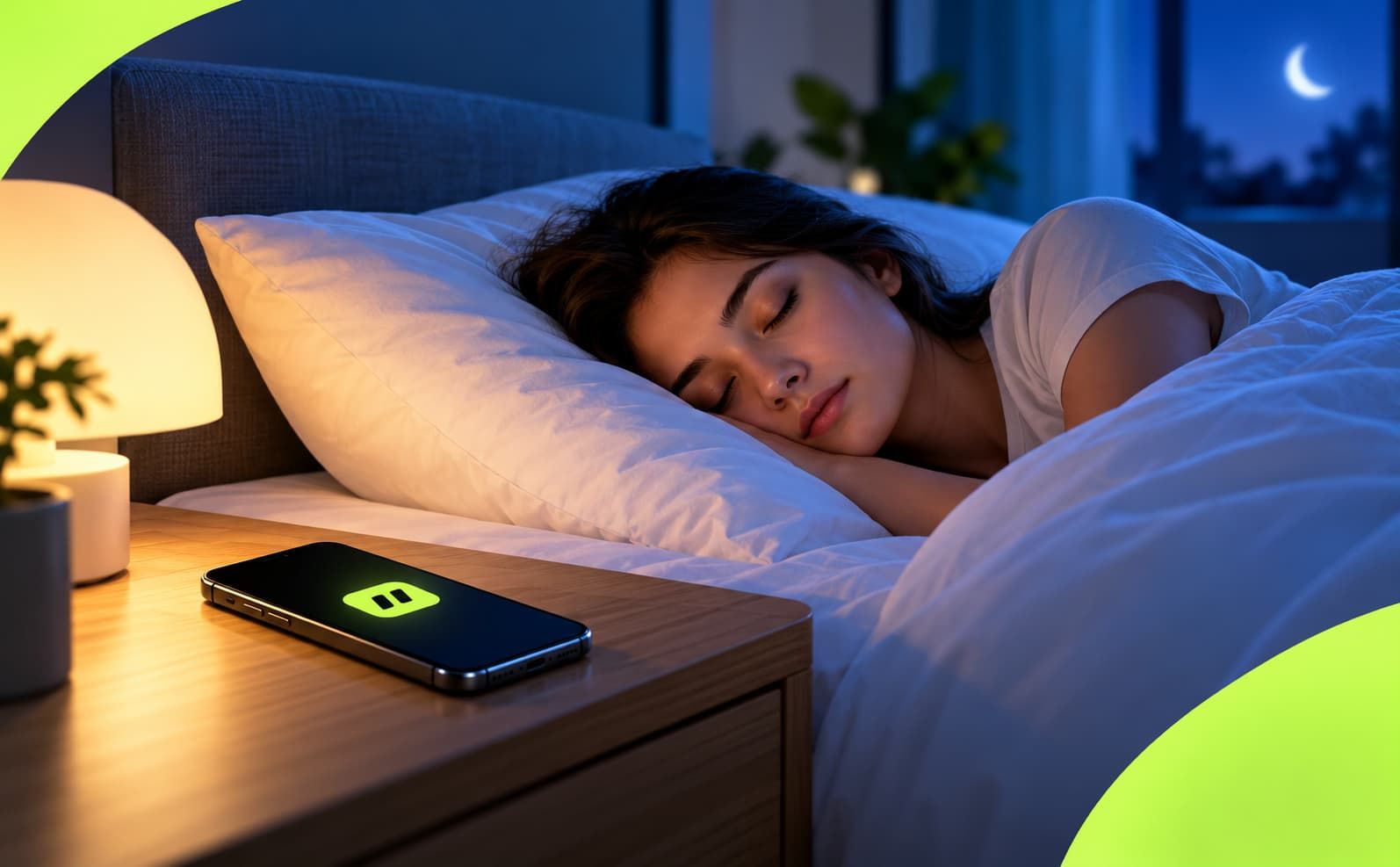
Blue light from phones and laptops sends the wrong signals to your brain. Instead of preparing for rest, your brain thinks it is still daytime. As a result, the natural sleep hormone melatonin is delayed.
Harvard Medical School found that blue light before bed can push sleep timing back by up to three hours. This explains why many adults scroll in bed for “just 10 minutes” and then end up awake past midnight.
If you wake up groggy, struggle with morning energy, or depend on coffee just to function, night screen habits are likely disturbing your natural rhythm.
3. Blurry Vision or Double Vision
Screen overuse does not just make your eyes tired, it can change how they work.
WebMD warns that more than 50% of adults develop computer vision syndrome from extended screen use. Symptoms include blurry vision, double vision, and burning eyes.
This happens because screens force the eyes to stay in one fixed position for too long. Unlike looking around a room or outdoors, your eyes are locked into constant focus. Over months and years, this leads to eye muscle strain.
Adults often ignore early vision changes, blaming it on aging. But many problems can be slowed or prevented if screen habits are improved early.
4. Tech Neck and Shoulder Pain
The human head is heavy, weighing around
10 to 12 pounds. When you bend it forward to look at a screen, the pressure on your spine multiplies. For every inch your head leans forward, the stress increases significantly. This is what doctors call tech neck.
A 2019
NIH study showed that adults who spend 6+ hours a day on screens already show early musculoskeletal changes. Over time, this can cause stiff shoulders, back pain, and even permanent posture problems.
👉 Example: If you often rub your neck, roll your shoulders, or stretch your back after screen sessions, you are already experiencing tech neck.
jolt-download-button-jkasldf742f
5. Constant Fatigue and Brain Fog
Even with enough sleep, many adults feel drained throughout the day. Screens are one major reason. Jumping between emails, social media, and work apps forces the brain into constant multitasking. This causes
decision fatigue, which lowers focus and energy.
Table of daily fatigue patterns:
| Time of Day | How Screen Overload Feels |
| Morning | Groggy because of late-night screens |
| Afternoon | Energy crash from multitasking |
| Evening | Brain fog after endless scrolling |
This cycle feels normal for many workers, but it is actually a warning sign of unhealthy screen habits draining mental energy.
6. Difficulty Focusing on One Task
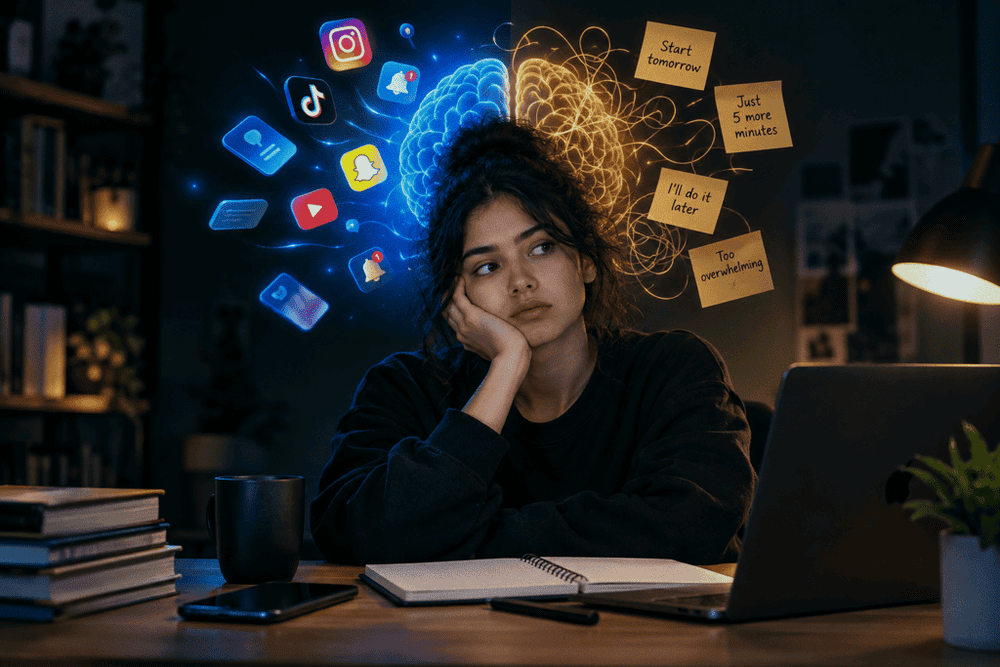
Do you pick up your phone “just to check something” and then lose 20 minutes? This is not just a lack of discipline, it is your brain adapting to constant digital stimulation.
BBC research showed that the average adult attention span fell from 12 seconds in 2000 to just 8 seconds in 2015. Screens are partly responsible. With constant pings, notifications, and updates, focus becomes fragmented.
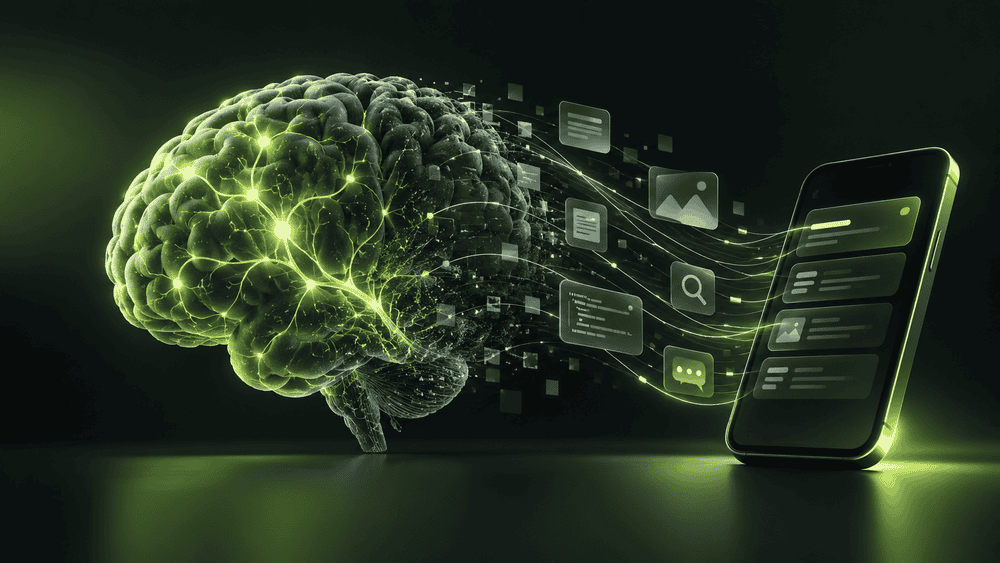
Adults sometimes blame themselves for being lazy or unmotivated. In truth, it is a side effect of rewiring the brain through too much digital use.
7. Mood Changes and Rising Stress
Screens not only change how we think but also how we feel. Endless notifications and comparisons on social media raise anxiety. Long work hours online also add pressure.
NIH study revealed that adults who multitask digitally report higher stress and lower life satisfaction. If you feel irritable, restless, or anxious after using screens, it is not random, it is a digital effect.
Many adults feel their mood improve immediately when they take a “digital detox weekend.” This shows just how strong the link is between screens and emotional well-being.
8. Ignoring Real-Life Activities
One of the most hidden but dangerous signs is when screens replace offline life. If you skip exercise, avoid family time, or lose interest in hobbies because of devices, your digital balance is unhealthy.
Productivity at work may still look fine, but the loss of real-life activities reduces joy, human connection, and long-term well-being.
Check out the Jolt app
9. Physical Health Decline from Sitting Too Long
Screens often mean sitting for hours. The
Mayo Clinic has warned that prolonged sitting increases the risk of heart disease and diabetes. Even daily exercise cannot completely undo long sitting hours.
Signs include stiff joints, back pain, weight gain, and lower fitness. Adults who work at desks for
8–10 hours and then spend evenings on phones or TV are at the highest risk.
Sedentary lifestyles are now considered as risky as smoking for long-term health.
10. Anxiety When Away from Your Phone
If you feel panic when your phone battery is low, or you check it within minutes of waking up, you may have nomophobia (no-mobile-phone phobia).
A 2023
WebMD survey showed that 70% of US adults feel anxious without their phones. This dependency is one of the strongest warning signs of too much screen time.
Try leaving your phone in another room for one hour. If you feel restless or nervous, that is a sign of digital over-dependence.
How to Reduce Screen Time Without Giving Up Technology
Here are simple, proven ways to cut down screen use while still keeping the benefits of digital tools:
- Track honestly: Use Screen Time (iPhone) or Digital Wellbeing (Android) to see your real usage.
- Set screen-free zones: No phones at the dining table or in the bedroom.
- Create friction: Keep your phone in another room while working.
- Replace habits: Swap scrolling with walking, journaling, or cooking.
- 20-20-20 rule: Every 20 minutes, look 20 feet away for 20 seconds.
- Blue light filters: Turn on night mode after sunset.
- Evening boundary: Put devices away one hour before bed.
Reducing screen time is less about removing technology and more about retraining your habits. Balance is the key.
How Jolt Can Help You Manage Screen Time
Not every adult can suddenly cut down on screen time. Work, study, and communication still depend on digital devices. This is why tools like the Jolt app can make change realistic and sustainable.
Here’s how Jolt helps adults tackle the problems caused by too much screen use:
| Screen Time Problem | How Jolt Supports You | Why It Matters |
| Endless scrolling and wasted time | Jolt blocks distracting apps and sets usage limits | Keeps you focused on real priorities |
| Eye strain and fatigue | Jolt’s focus sessions include scheduled breaks | Regular pauses reduce headaches and eye problems |
| Poor sleep from late-night use | Jolt lets you set digital bedtime routines | Improves sleep quality and morning energy |
| Difficulty building habits | Jolt offers streak tracking and activities | Makes reducing screen time more consistent |
| Feeling unmotivated | Jolt has accountability partner and group goals | Motivation is stronger when shared with others |
Jolt works like a “smart filter” for your phone. Instead of giving up your smartphone completely, you can reshape how you use it, cutting the bad habits while keeping the useful parts.
Check out the Jolt app
Final Thoughts
The warning signs of too much screen time in adults, from headaches and eye problems to fatigue, poor sleep, mood changes, and even phone dependency, are signals that your digital habits need a reset.
Taking action does not mean giving up screens completely. It means setting boundaries, finding healthier routines, and using technology with intention.
For those who want extra support,
the Jolt app can help manage screen time, block distractions, and create focus sessions. By combining smart tools with mindful habits, adults can enjoy the benefits of technology without letting it control their health and happiness.
Frequently Asked Questions:
- What are the first warning signs of too much screen time in adults?
The first signs usually include headaches, eye strain, tiredness, and poor sleep. Some adults also notice neck or shoulder pain. These are signals from the body that too much time is being spent on screens without proper breaks.
- How many hours of screen time is unhealthy for adults?
Health experts suggest keeping recreational screen time under two hours daily. For work, longer use is often necessary, but frequent breaks, good posture, and eye care are essential. Going beyond 7–8 hours regularly can lead to health problems.
- Can too much screen time affect mental health?
Yes. Studies show that high screen use can increase stress, anxiety, and even feelings of loneliness. Social media comparisons also affect self-esteem. Reducing screen time helps the brain rest, improves focus, and often boosts mood and emotional well-being.
- Why do my eyes feel dry or blurry after screen use?
When using screens, adults blink less often. This causes dry eyes, irritation, and sometimes blurry vision. Blue light and constant focus add more strain. Taking regular breaks and using the 20-20-20 rule can reduce these problems.
- Can screen time really cause poor sleep in adults?
Yes. Blue light from phones and laptops delays the release of melatonin, the sleep hormone. This makes it harder to fall asleep and stay rested. Using screens late at night often leads to restless sleep and morning fatigue.
- How can I reduce screen time without affecting my work?
Start by setting screen-free breaks, standing or stretching every hour, and turning off non-essential notifications. Use productivity tools or apps that block distractions. Balance is key to reducing unnecessary screen use while keeping what is truly important for work.
- Is cutting screen time completely the only solution?
No. Cutting screens completely is unrealistic for most adults. The goal is balance, not removal. Setting limits, creating healthier habits, and using tools like the Jolt app can help reduce the negative effects while keeping technology useful.