Does Screen Time Affect Your Brain's Ability to Multitask?
Screen time does affect how the brain handles multitasking, focus, and information overload. Studies show that heavy digital use and constant media multitasking are linked with slower task-switching, poorer attention, and even structural changes in brain areas that control focus and self-regulation.
When screens fill many hours of the day, the brain is pushed into “cognitive overload,” and this makes real multitasking and deep work much harder.
Screen Time and Multitasking Research
Modern research on media multitasking finds a clear pattern. People who juggle several screens and apps at once often perform worse on tasks that need steady attention and good control of distractions.
One review noted that American youth now spend about
7.5 hours per day with media, and almost 30% of that time involves using more than one type of media at the same time.
A study of
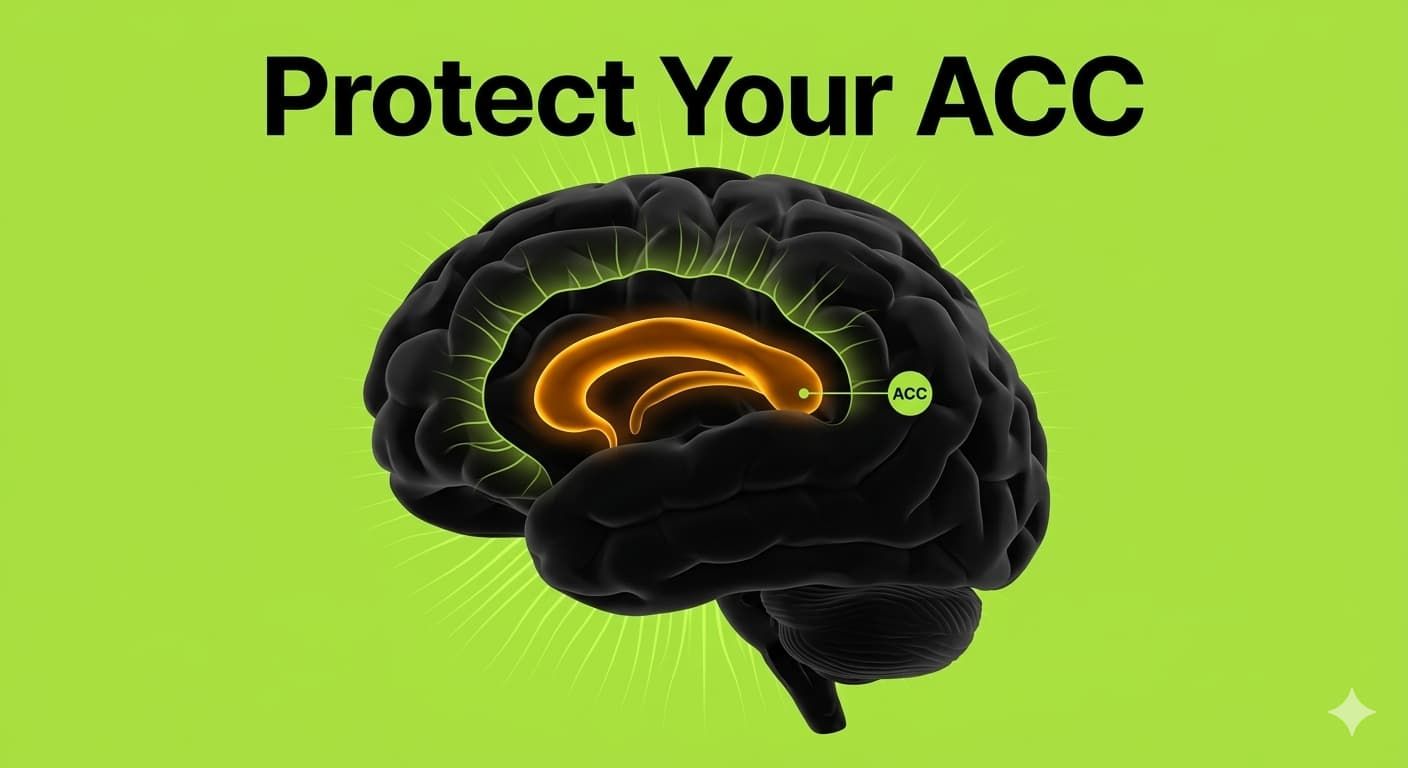
NIH found that heavier media multitaskers had smaller gray matter volume in the anterior cingulate cortex (ACC), a key brain region for attention, decision-making, and error monitoring.
Other reviews report by
ResearchGate found that heavy media multitaskers tend to have poorer working memory and weaker cognitive control than light multitaskers.
What Excessive Screen Time does to Focus and “Multitasking”
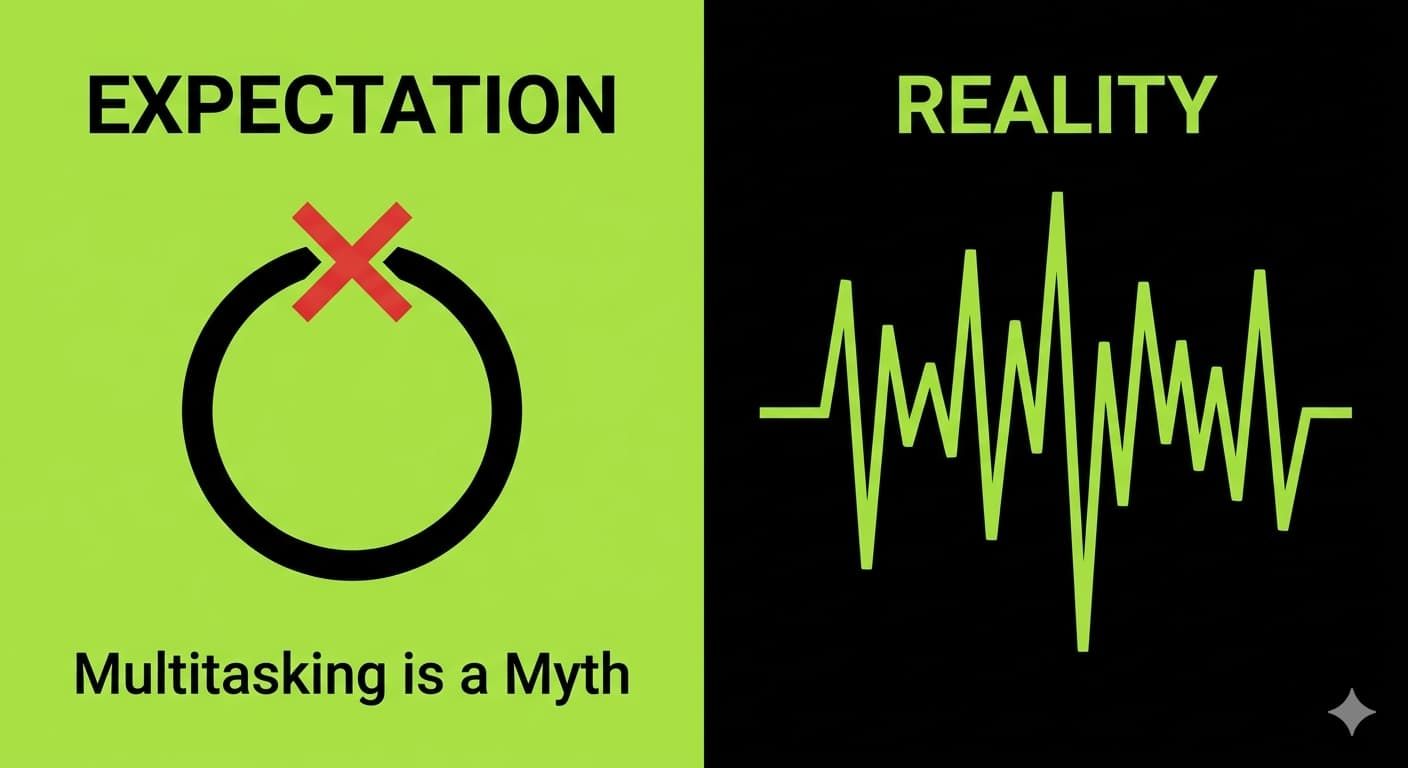
The human brain does not truly multitask for complex work. It switches rapidly between tasks. High screen time trains the brain to keep switching, which increases cognitive load and reduces the quality of attention on any single task.
Bright visuals, fast content, and constant notifications overstimulate the
prefrontal cortex, the part of the brain that manages focus and decisions.
Over time, this leads to:
- Slower task-switching and reaction time, because the brain is fatigued by constant shifts.
- Lower ability to filter distractions, so every buzz, pop-up, or new tab pulls attention away.
- Reduced working memory, which makes it harder to hold information in mind while solving problems or reading.
These changes affect study and work. Trying to listen to a lecture, reply to messages, and scroll social media at the same time means none of these tasks get full brain power.
The result is weaker learning, more mistakes, and the feeling of “no multitasking due to high screen time,” even though the person is always jumping between tasks.
How to Protect your Brain from Digital Overload
The good news is that the brain is flexible. When screen time is reduced and focus is rebuilt, attention and task performance can improve.
The goal is not to avoid screens completely, but to stop constant digital multitasking and lower cognitive load during important tasks.
Practical ways to support focus and reduce multitasking:
- Use single-task blocks: Work or study in 25–50 minute blocks where only one task and a small set of apps are open.
- Turn off non-essential notifications: Silence social media, promotional emails, and other alerts during focus time.
- Limit screen hopping: Avoid switching between many apps or tabs; group similar tasks together instead.
- Take screen-free breaks: Use short breaks for stretching, walking, or breathing rather than more scrolling.
- Protect sleep: Reduce screen time in the evening to lower mental fatigue and support memory and attention the next day.
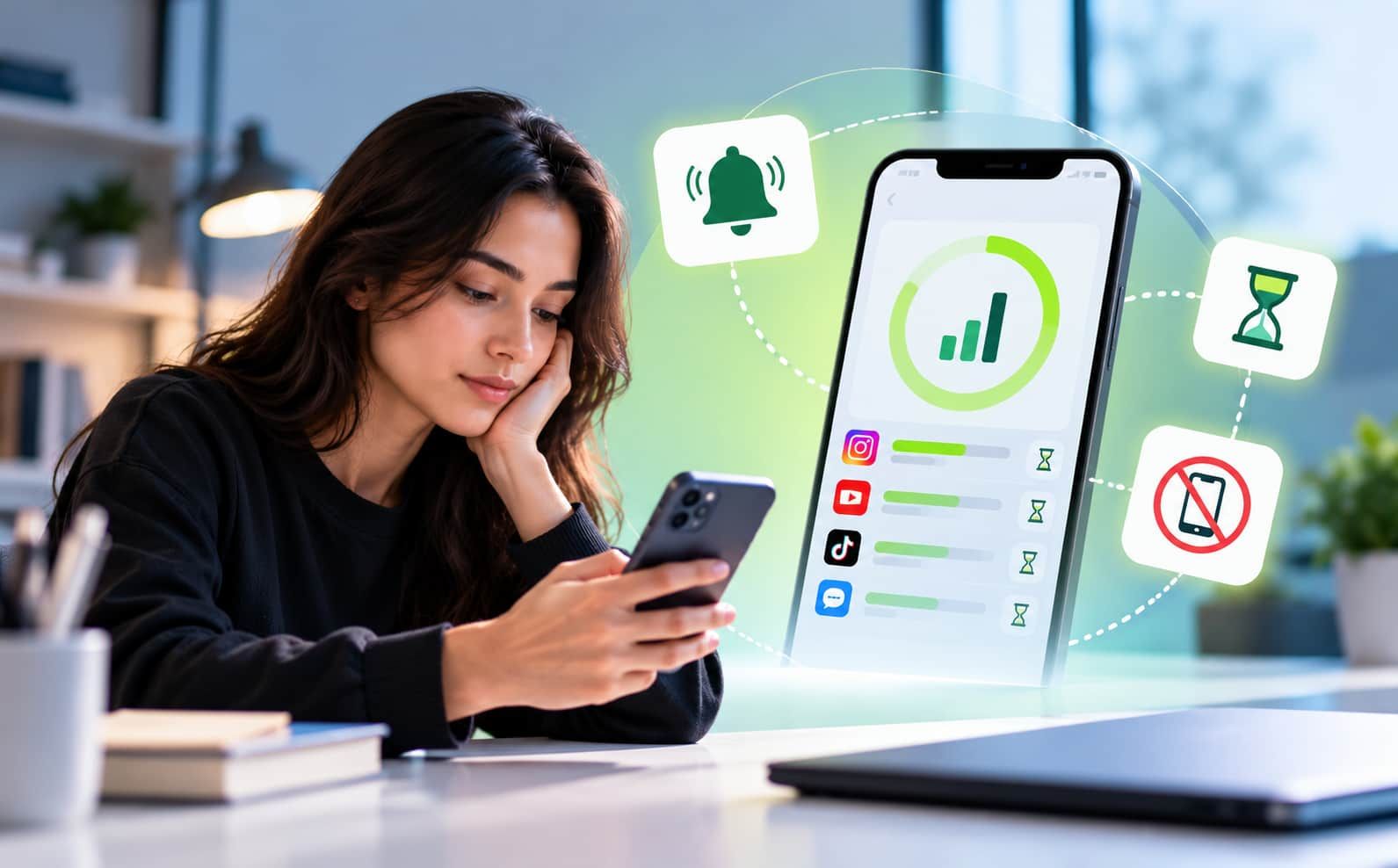
Digital wellbeing tools can make this easier. App blocking and focus sessions can stop distracting apps from opening during work.
Screen time tracking helps you see how often you switch between apps, so you can reduce it. Habit challenges and routines can train the brain to stay with one task for longer and slowly rebuild deep focus.
Jolt Screen Time App supports this by offering focus sessions, app limits, and habit-building features that help reduce cognitive overload, so the brain can move away from constant digital multitasking and back toward clear, steady attention.
Frequently Asked Questions:
1: Does screen time affect the brain’s ability to multitask?
Yes. Studies show that heavy screen users often struggle with multitasking effectively. Switching between apps, tabs, and notifications trains the brain to constantly shift focus, which reduces the ability to concentrate deeply on one task. Over time, this habit weakens the brain's control over focus and task management.
2: Isn’t multitasking a good skill to have?
It depends. True multitasking is rare. The brain doesn’t actually do two things at once, it switches rapidly between tasks. This is called task-switching, and it leads to more mistakes, slower progress, and lower performance, especially in learning and academic work.
In
Deep Work,
Cal Newport explains that frequent task-switching can reduce productivity by up to 40%.
3: What happens in the brain during too much screen multitasking?
When the brain is overloaded with constant digital input, like checking messages, scrolling, watching videos, and doing schoolwork, the prefrontal cortex (the part responsible for focus and decision-making) gets fatigued.
- A study by Stanford University found that people who frequently multitask with digital media are worse at filtering out distractions.
- They also scored lower on memory and attention span tests compared to light screen users.
4: Can screen multitasking affect academic performance?
Absolutely. When students try to study while using phones or switching between screens, their brain can’t retain information well.
- Journal of Experimental Social Psychology research showed that students who studied while texting or using social media remembered 40% less of the material.
- This leads to lower test scores, poor retention, and slower learning over time.
5: What can help reduce screen-related multitasking?
Here are a few tips to help train the brain for better focus:
- Use apps that block notifications or limit screen time
- Try structured focus sessions where only one task is allowed at a time
- Keep phones out of sight during homework or reading
- Practice "single-tasking" – focus on one thing at a time
Tools like Jolt offer focus templates, smart app blockers, and screen-use challenges to help build stronger focus and better study habits.

 Download Now
 Take charge of your time


 Twinkle