Why Mobile Phone Use Puts Stress on the Arms
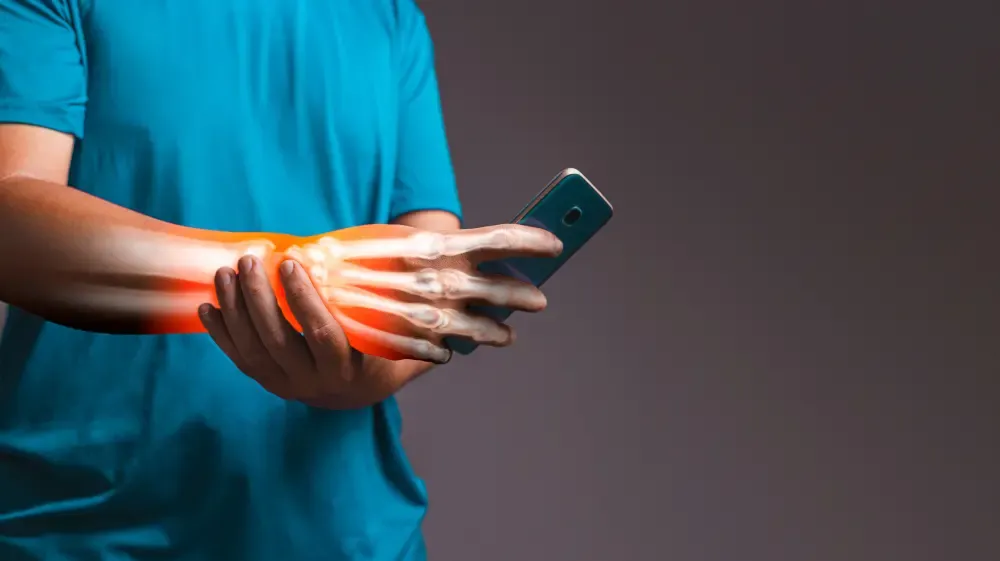
Mobile phones are light, but the way people hold them creates strain. Most users grip their phone tightly, bend their wrists, and keep their elbows flexed for long durations. These positions reduce blood flow and place pressure on muscles, tendons, and nerves.
Medical experts explain that the human arm is not designed to stay in one position for too long. When phone use continues for hours, the muscles remain active without rest. This leads to fatigue and pain.
This is why many people ask, can holding a cell phone cause hand pain. The answer is clearly yes, especially with daily overuse.
Text Claw and Finger Stiffness
Text claw is a common condition linked to heavy phone use. It happens when fingers and thumbs stay curved around the phone for long periods. Over time, the hand struggles to relax back to its natural shape.
Common symptoms include:
- Tightness in fingers
- Difficulty straightening the hand
- Pain near the thumb joint
- Cramping while texting
Cleveland Clinic research shows that
repeated thumb movements irritate tendons and small muscles. If ignored, text claw can reduce grip strength and hand flexibility.
Hand Pain From Holding Phone for Long Hours
Hand pain from holding phone often starts slowly. At first, it feels like mild discomfort. Later, it becomes sharp or constant pain.
Main causes include:
- Tight gripping of the device
- Small phone size causing awkward hand posture
- Long scrolling sessions without breaks
NIH studies confirm that constant gripping reduces oxygen supply to hand muscles. This leads to soreness and muscle fatigue. Over time, the pain can spread to the wrist and forearm.
Why Hands Go Numb While Holding Phone in Bed
Many people complain that hands go numb while holding phone in bed. This happens because of nerve compression and poor blood circulation.
When lying in bed:
- Arms are often bent sharply
- Wrists rest at awkward angles
- Elbows press against the mattress
Mayo Clinic studies explain that numbness is a warning sign. It means nerves are under pressure. If this habit continues, numbness can turn into tingling or long-term weakness.
Wrist Strain From Repetitive Phone Movements
The wrist plays a major role in phone use. Swiping, typing, and scrolling require constant wrist movement or static bending.
Research on repetitive strain injuries shows:
- Bent wrists increase tendon inflammation
- Long static positions reduce joint mobility
- Poor posture raises injury risk
This is why wrist discomfort often appears along with hand pain from holding phone. Without rest, the wrist becomes stiff and painful.
Upper Arm Pain From Holding Phone at Eye Level
Upper arm pain from holding phone is very common, especially during long scrolling or video watching sessions. When the phone is held at chest or eye level, the shoulder and upper arm muscles must stay active continuously.
Effects include:
- Muscle fatigue
- Shoulder tightness
- Pain spreading toward the elbow
NIH research shows that holding the arm raised for more than ten minutes increases muscle load sharply. This explains why soreness develops even without heavy effort.
Elbow Stress and Arm Pain From Holding Phone
Keeping the elbow bent for long periods compresses nerves that pass through the joint. This often leads to arm pain from holding phone.
Common symptoms include:
- Tingling in the forearm
- Elbow stiffness
- Weak grip
Specialists warn that prolonged elbow bending can
irritate nerves. This irritation causes pain that travels from the elbow to the hand.
Long-Term Effects on Hand and Arm Health
Long-term phone use without breaks increases the risk of:
- Tendon inflammation
- Nerve compression
- Muscle imbalance
A report by
Yale states that repetitive device use is now a leading cause of hand and arm discomfort among young adults. Early habits strongly affect long-term joint health.
Warning Signs You Should Not Ignore
Early signs often appear before serious injury develops.
Watch for:
- Pain after phone use
- Numbness or tingling
- Finger stiffness
- Reduced grip strength
Ignoring these signs can lead to chronic pain and reduced hand function.
Simple Ways to Reduce Hand, Wrist, and Elbow Pain
Small changes can protect joint health:
- Take breaks every 20–30 minutes
- Change hand positions often
- Avoid holding phones above chest level for long
- Avoid phone use while lying in bed
Health experts confirm that frequent breaks allow muscles and nerves to recover naturally.
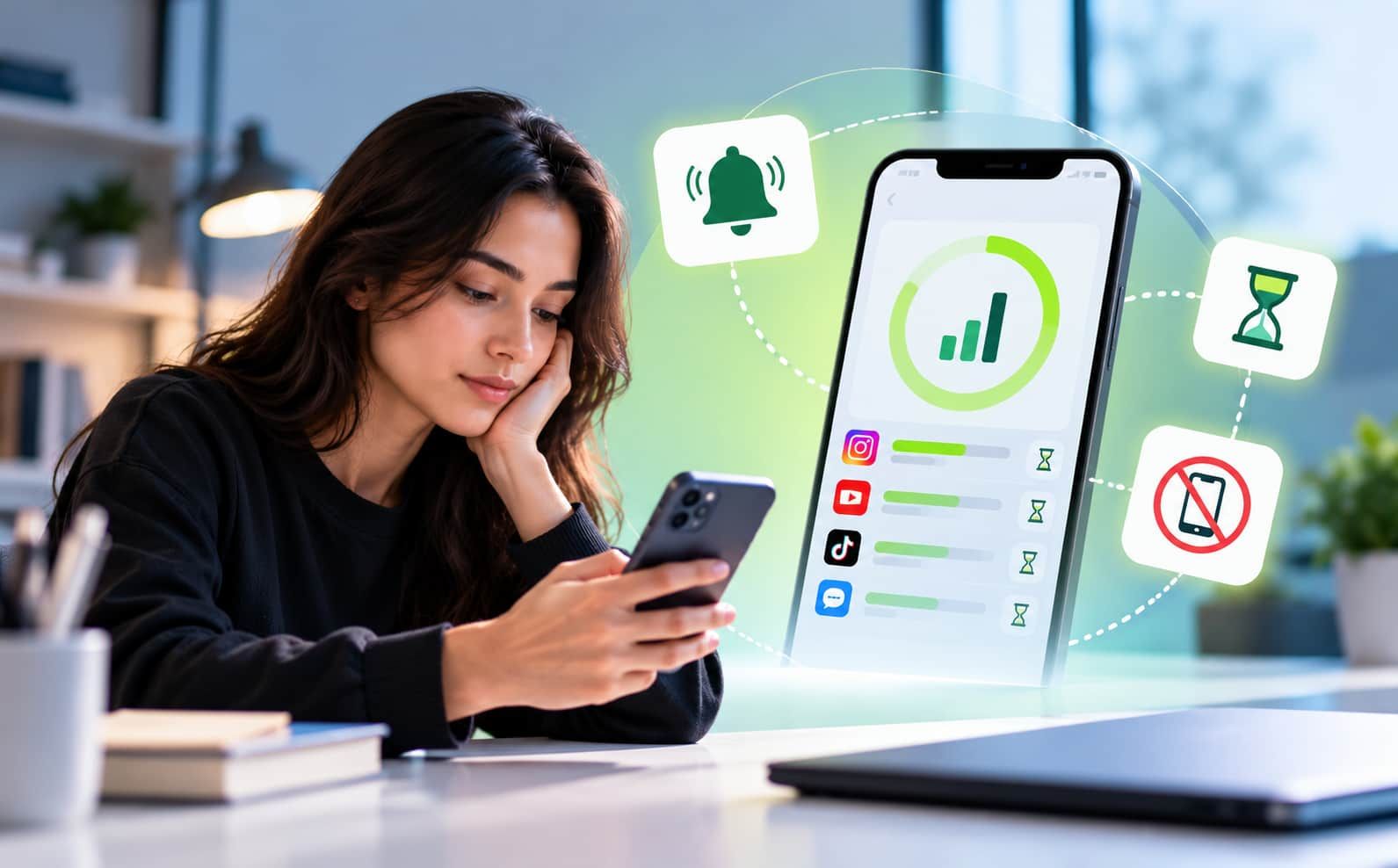
The Role of Screen Time Management
Uncontrolled phone use is the main reason these problems develop. Long, unplanned sessions place continuous stress on the arms.
Screen time management tools help by:
- Reducing continuous usage
- Encouraging regular breaks
- Limiting late-night phone habits
A reliable
screen time app supports healthier phone use without forcing complete avoidance, making it easier to build sustainable habits.
How Jolt Helps Reduce Hand, Wrist, and Elbow Strain From Phone Use
Medical research shows that most hand, wrist, and arm pain linked to mobile phones is caused by long, continuous usage without breaks. A study published in
MedCrave found that reducing uninterrupted phone use by 30–40% significantly lowers muscle fatigue in the hands and upper arms.
This is where screen-time control products play an important role. [Jolt - Reduce screen time app](Reduce screen time app) is designed to help users avoid long, unplanned phone sessions by encouraging timed usage, regular breaks, and healthier digital routines.
Research on
ResearchGate shows that users who follow structured screen limits experience fewer symptoms such as hand pain from holding phone, numbness, and upper arm fatigue.
| Support Feature | Physical Benefit |
| Timed usage sessions | Reduces muscle overuse |
| Break reminders | Improves blood circulation |
| Usage awareness | Prevents long strain periods |
Promoting controlled phone habits, Jolt supports healthier hands, wrists, and elbows over time.
Conclusion
Mobile phone use has a strong impact on hands, wrists, and elbows. Problems such as text claw, hand pain from holding phone, upper arm pain from holding phone, hands go numb while holding phone in bed, and arm pain from holding phone are becoming common due to long, unplanned usage.
The solution lies in awareness, better posture, regular breaks, and controlled screen habits. Jolt helps users manage phone time more effectively, reduce physical strain, and build healthier digital routines for long-term joint health.
Frequently Asked Questions
- Can holding a cell phone cause hand pain?
Yes. Holding a cell phone for long periods can cause hand pain due to constant gripping, repeated thumb movements, and lack of breaks. These actions strain the muscles and tendons in the hand, leading to soreness and stiffness over time.
- Why do my hands go numb while holding phone in bed?
Hands often go numb while holding phone in bed because the arm and wrist are bent for long periods. This position puts pressure on nerves and reduces blood flow, which causes temporary numbness and tingling.
- What is text claw and how is it related to phone use?
Text claw is a condition where fingers and thumbs feel stiff or painful after heavy phone use. It happens due to repeated texting and scrolling, which overworks the small muscles and tendons in the hand.
- Can phone use cause upper arm and elbow pain?
Yes. Holding a phone at chest or eye level for long periods causes upper arm pain from holding phone and elbow discomfort. The muscles stay active without rest, leading to fatigue and nerve pressure.
- How can I reduce hand and arm pain caused by phone use?
You can reduce pain by taking regular breaks, changing hand positions, avoiding phone use in bed, and limiting long screen sessions. Using screen time management tools also helps prevent continuous strain and supports healthier phone habits.

 Download Now
 Take charge of your time


 Twinkle