
 Download Now
See what your phone habits are adding up to.
Jolt turns your everyday phone behavior into personalized scores and reports — so you can see where your habits stand, what needs attention, and how they’re changing over time.
Try Jolt for freeA clearer picture, built from how you actually use your phone.
Jolt turns the way you use your phone into personalized scores that help you understand your habits, protect your attention, and make better use of your time. Daily and weekly reports go deeper — showing where your screen time is going, which apps are taking most of it, and practical actions you can take to improve. Explore below to see what each score and insight reveals.
Every number Jolt tracks is designed to show you one thing: the gap between the phone habits you have and the ones you want.
How well your focus time actually stayed focused.
Focus Score looks at what happened during your Focus Sessions: how much focused time you completed, whether sessions were interrupted, how much you used your phone during them, distracting pickups, and recent focus debt.
Rooted in Self-Monitoring Theory - people who track a specific behaviour change it more than those who don't.
Full Focus Score guide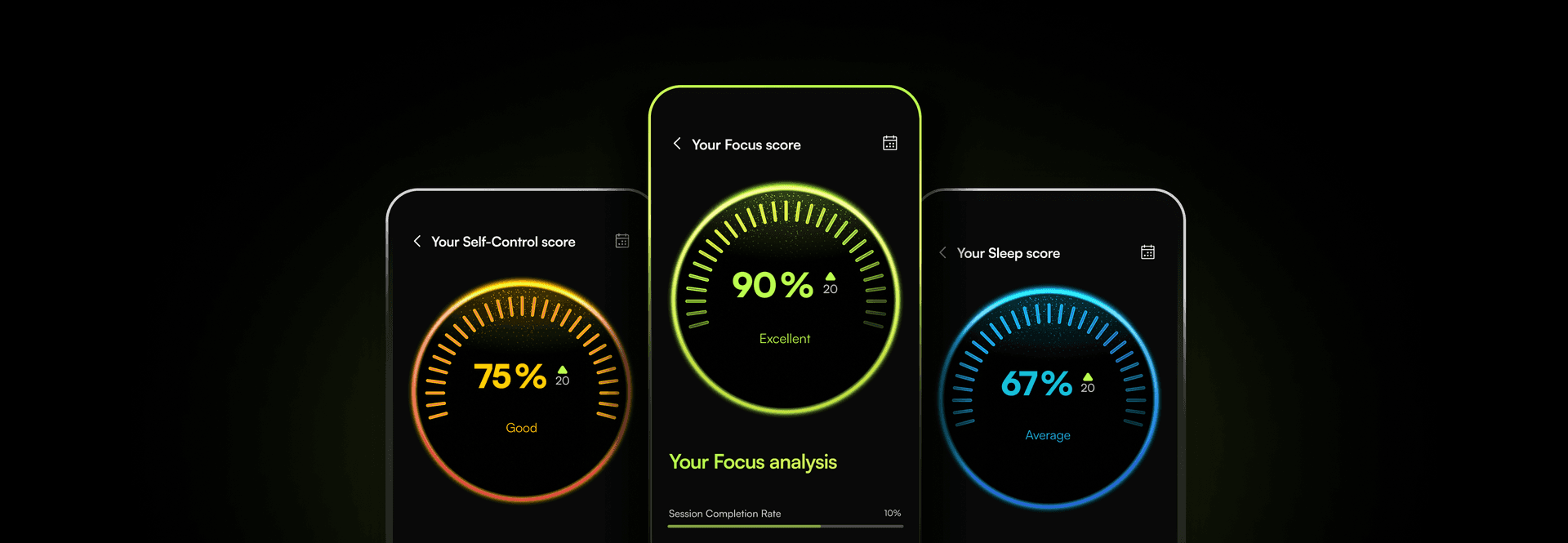
Did the boundaries you set actually hold?
Discipline Score looks across your day: time offline, distracting app use, progress against your screen-time goal, active limits, limit overrides, and recent screen-time debt.It shows whether the boundaries you set for your phone continued to hold as the day unfolded.
Rooted in Self-Monitoring Theory - people who track a specific behaviour change it more than those who don't.
Full Discipline Score guide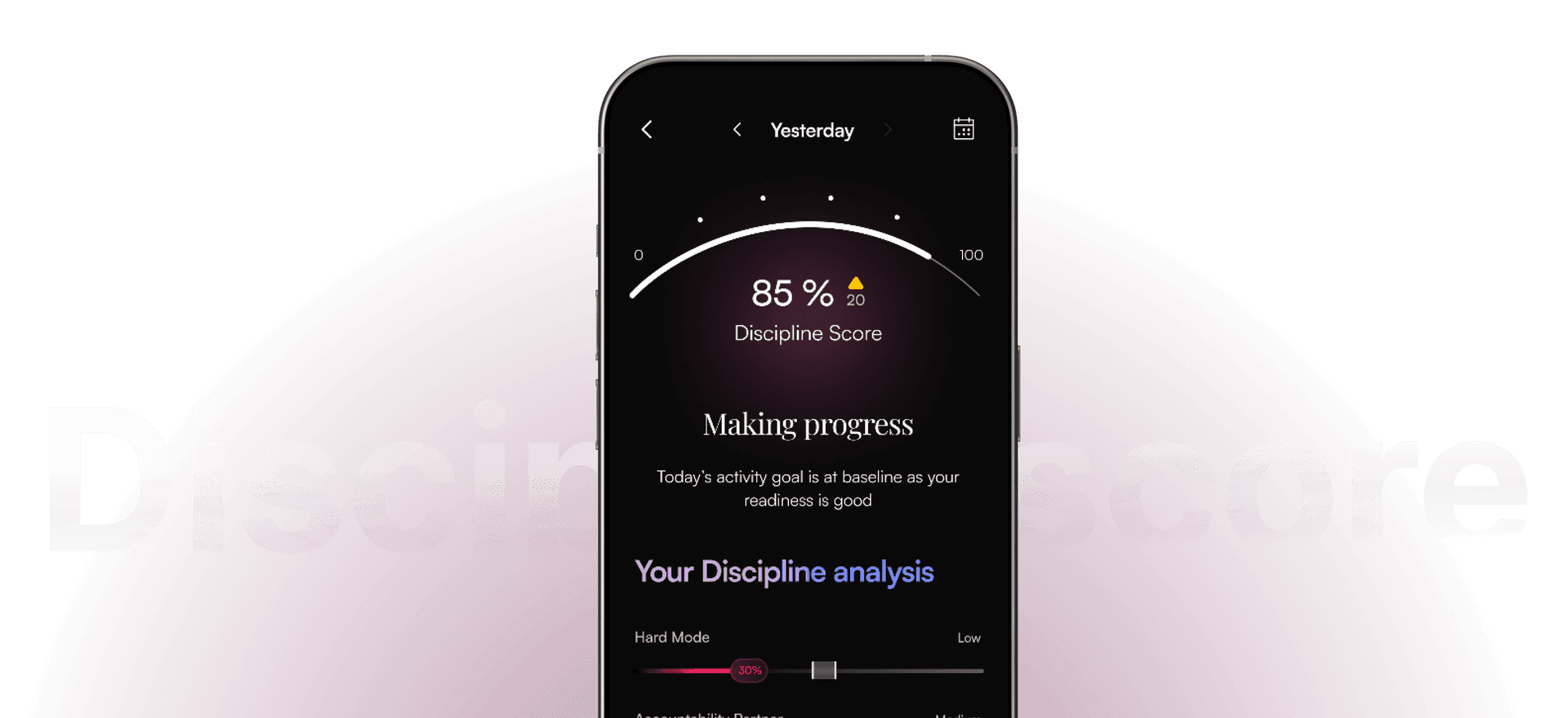
How well your phone habits protected your sleep routine.
Sleep Score looks at your phone behavior around sleep: your wind-down, the apps you use before bed, phone activity during your sleep window, your morning start, and the apps you reach for after waking.It measures how well your phone habits support the routine around sleep — not your biological sleep quality.
Rooted in Self-Monitoring Theory - people who track a specific behaviour change it more than those who don't.
Full Sleep Score guide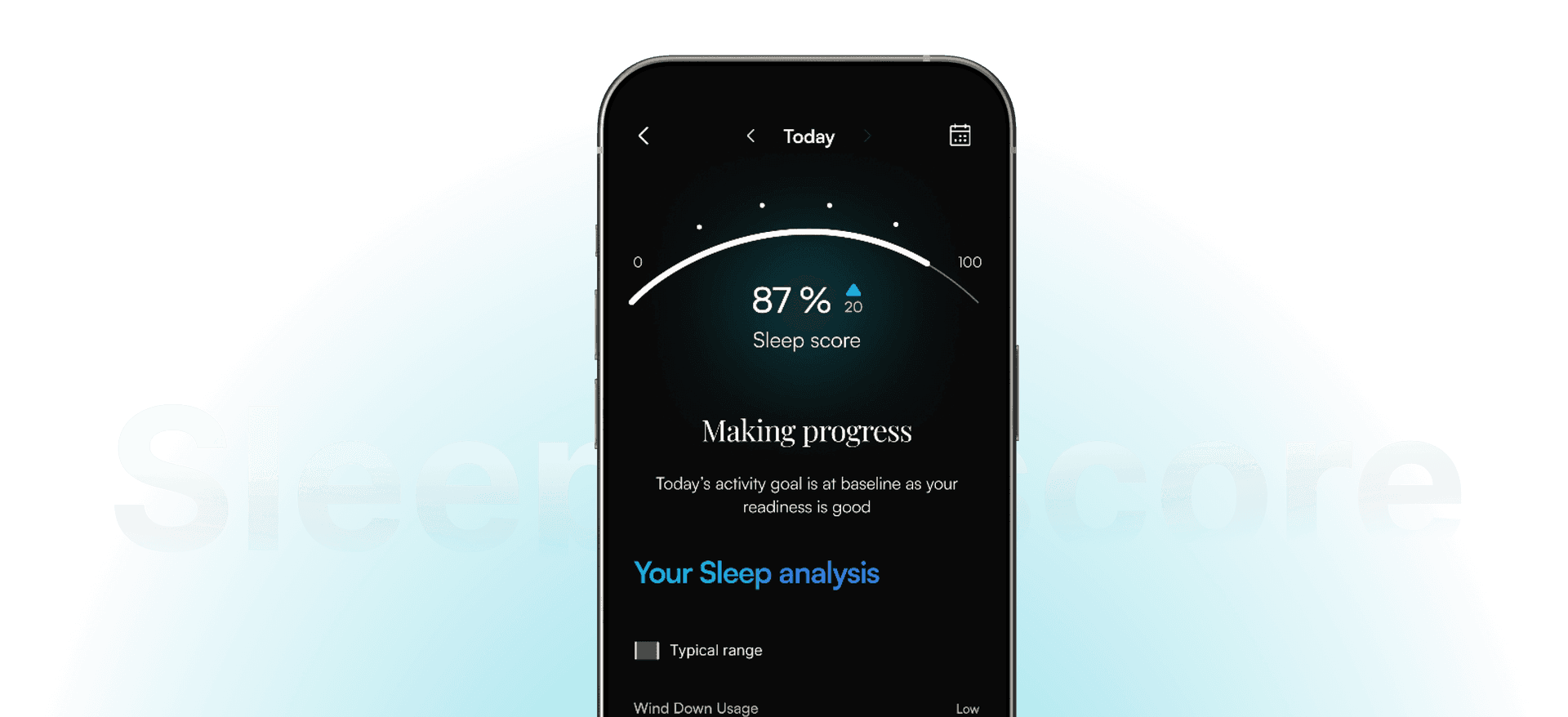
One score for how your digital habits held together.
Attention Score is Jolt’s overall view of your day. It brings together your Focus, Discipline, and Sleep Scores, gives more weight to the area you chose to improve, and adds signals from ghost pickups and recent consistency
Rooted in Self-Monitoring Theory - people who track a specific behaviour change it more than those who don't.
Full Attention Score guide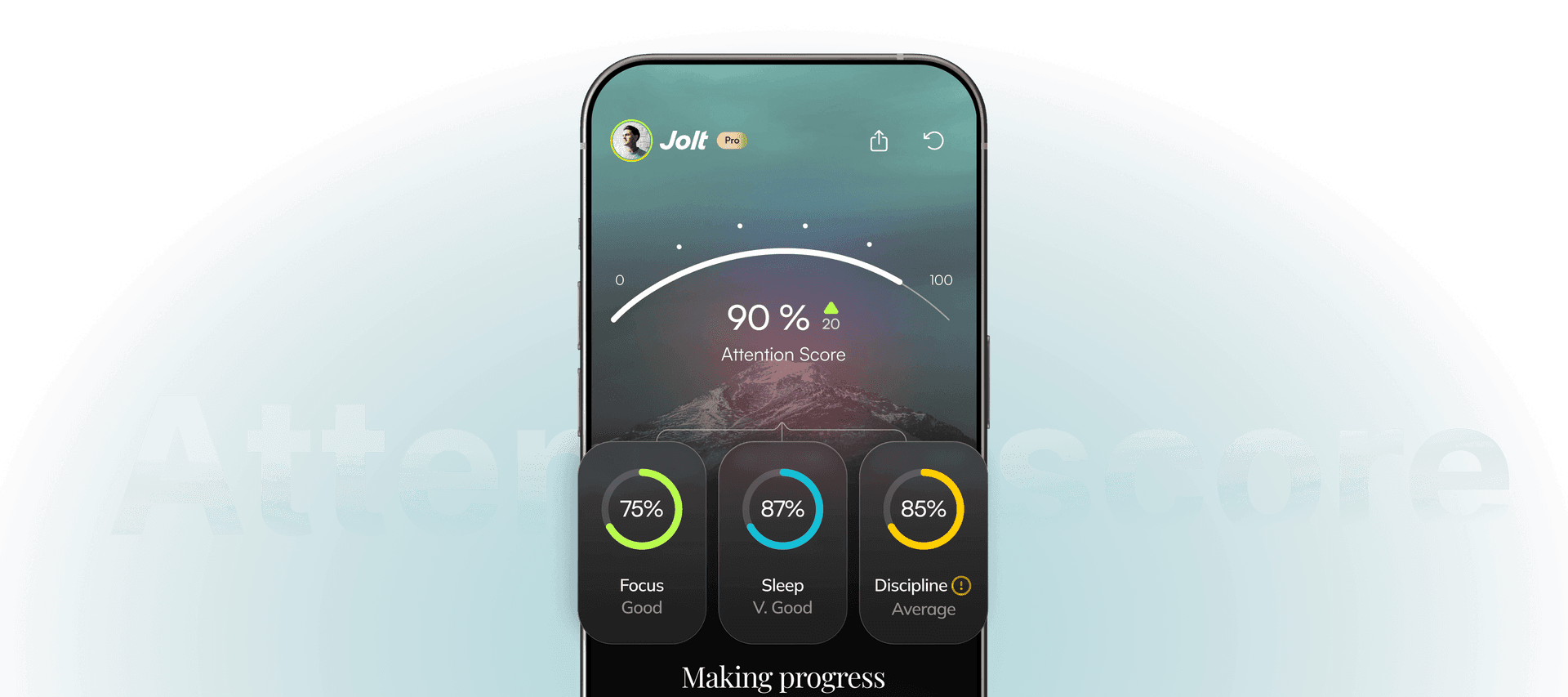
Don't break the chain.
Every day you hold your blocks and hit your goals, your streak grows. Miss one day - it resets to zero. The streak does something no reminder can: it makes your history feel like something worth protecting. After 7 days, you're not just trying to focus. You're someone who focuses. When you have a streak and try to break a block, Jolt shows you your streak count and makes you wait 3 seconds before you can proceed. Three seconds is enough.
Rooted in Loss Aversion and Identity Formation - streaks create an identity stake. Breaking one feels like losing something real, not just missing a task.
Full Streaks guide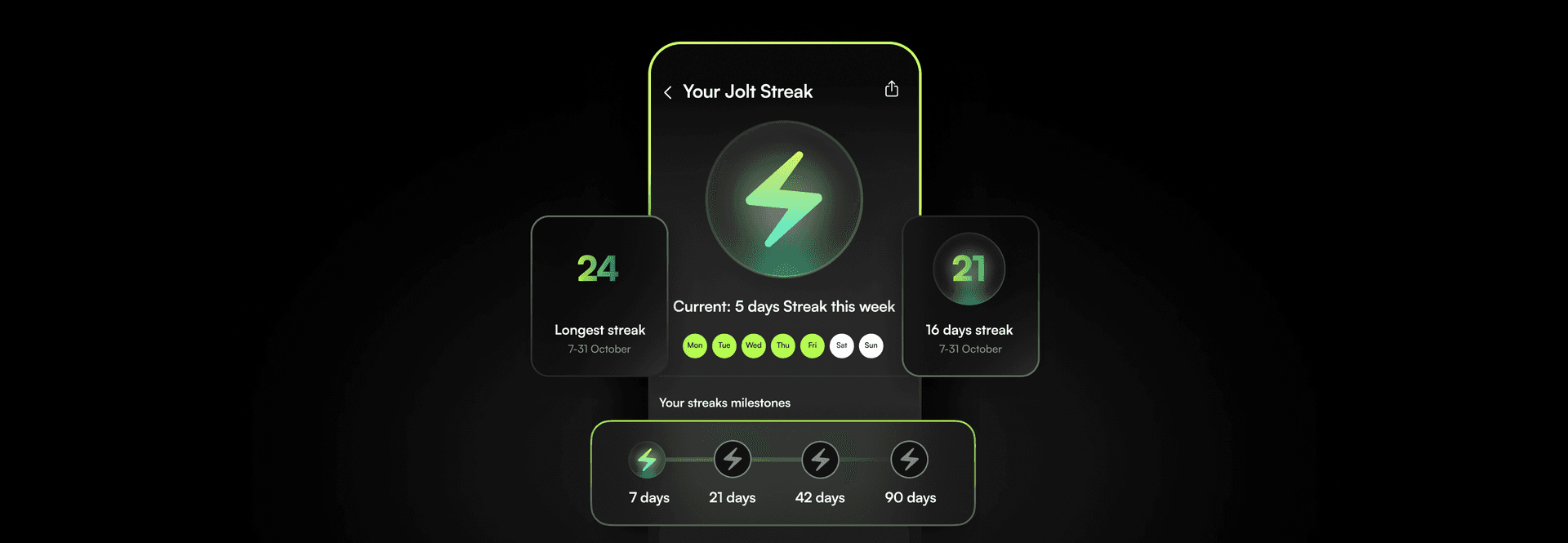
Which apps are actually draining your day.
Jolt tracks total screen time per app, how many times you opened each one, and how your usage this week compares to last week - and to the week before that. Most people think they know which apps they overuse. The data is almost always more specific - and more confronting - than the assumption.
Rooted in Awareness Precedes Change - quantified self-knowledge is the prerequisite for behavioural intervention.
Full Usage Insights guide
What gets measured, changes.
Self-Monitoring Effect
People who track a target behaviour reduce it by an average of 20% - before any intervention. The act of measurement changes the behaviour.
Streak Psychology
Loss aversion activates more strongly than reward anticipation. A streak at risk triggers 2x more motivation to maintain behaviour than a reward for completing it.
Pattern Recognition
Habitual behaviours have consistent contextual triggers - specific times, places, emotional states. Seeing your own pattern removes the illusion that distraction is random.
Progress Visibility
Visual progress representation increases task completion by up to 40%. The Focus Score and streak calendar make abstract progress concrete and visible every day.
How to read your Insights
Check your Focus Score each morning
Open Jolt each morning. Your score from yesterday is the first thing you see. Trend upward over 7 days - your habits are changing.
Review your weekly report
Every week, Jolt generates a report showing your screen time, top distracting apps, and comparison to the previous week. It takes 30 seconds to read. It's often uncomfortable. That's the point.
Find your distraction pattern
Go to Behavior Patterns. Look for the hours where your phone use spikes. That's where your blocking rules need to be strongest.
A Score That Doesn't Lie
Your Focus Score reflects exactly what you did - not what you intended to do.
The Chain You Don't Want to Break
Streaks turn behavior tracking into identity stakes. Breaking one feels like losing something real.
The Data You Were Avoiding
Most people are wrong about which apps drain them most. The numbers are almost always more specific - and more confronting - than the assumption.
Your Distraction Has a Schedule
Once you can see when you reach for your phone, you can block for it specifically. Pattern first. Rules second.
Frequently Asked Questions
What is the Focus Score in Jolt?
Your Focus Score is a daily number that reflects how well you held your blocking rules, completed sessions, and stayed within app limits the previous day. It's calculated from your actual behaviour - session completions, limit adherence, and block integrity. It's not a subjective rating - it's a mirror of what you actually did.
How do Jolt Streaks work?
A streak tracks consecutive days where you met your focus goals. Every day you complete your sessions and hold your blocks, the streak grows. Miss a day and it resets to zero. When you have a streak and try to break a block, Jolt shows you a streak warning with a 3-second forced wait before you can proceed - activating loss aversion at the exact moment you need it.
What does Jolt's Behavior Patterns feature show?
Behavior Patterns shows you when you reach for your phone most - broken down by hour, by app, and by week. It surfaces the contextual triggers for your distraction: the time of day, the specific apps, the frequency. Most people find their patterns are more predictable than they expected. Seeing them is the prerequisite for changing them.
How is Jolt's analytics different from iPhone Screen Time?
iPhone Screen Time shows you raw numbers - how long you spent on each app. Jolt shows you patterns, trends, comparisons to your own past performance, and a Focus Score that synthesises your behaviour into a single daily signal. It also connects your analytics to your blocking rules - so when you see a spike in Instagram usage, the fix is one tap away.
As seen on





You already know something's off. Now see exactly what.
The data is already there. Jolt just shows it to you clearly.
 Take charge of your time