How does Screen Time Increase the Risk of Depression in Teenager
Screen time can increase the risk of depression in teenagers when it is excessive, unplanned, and focused on passive activities such as endless scrolling and constant social media use. High screen exposure affects mood, sleep, social connection, and self-esteem.
Over time, these effects increase feelings of isolation, mood swings, and emotional stress, which are linked to depression.
Understanding Screen Time and Depression
Teenagers today grow up in a digital world. Phones, tablets, and laptops are used for learning, entertainment, and communication. While technology has benefits, many studies show a strong link between screen time and depression in teenagers when usage is not controlled.
According to the
World Health Organization, depression is now one of the leading mental health challenges among adolescents. Researchers increasingly point to digital habits as a contributing factor, especially when screen time replaces sleep, physical activity, and real-world interaction.
The Link Between Screen Time and Mental Health
Several long-term studies show that teenagers who spend more time on screens are more likely to report depressive symptoms.
This does not mean screens cause depression on their own. The risk increases when screen use becomes excessive and replaces healthy habits.
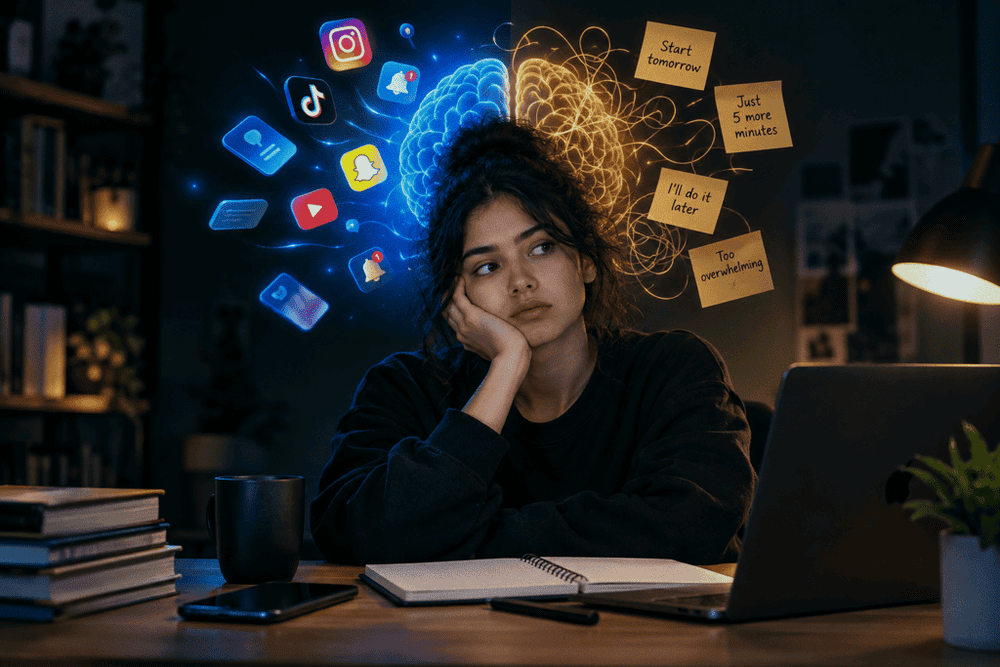
Social media plays a major role in teenage screen habits. Platforms are designed to keep users engaged for long periods.
Problems linked to social media use include:
- Constant comparison with others
- Pressure to appear perfect
- Fear of missing out
- Negative comments or online bullying
A study from the
US Department of Health and Human Services found that teenagers who spend more time on social platforms experience higher levels of anxiety and low self-esteem. These emotional pressures can lead to sadness, stress, and depression over time.
Screen Time and Social Isolation
One of the strongest links between screen time and depression is isolation. While teenagers are digitally connected, they often feel emotionally disconnected.
Research findings:
When screens replace real conversations, teenagers lose important emotional signals like tone, body language, and empathy.
This increases feelings of loneliness, which is a major risk factor for depression.
Mood Swings and Emotional Instability
Excessive screen use affects the brain’s reward system. Notifications, likes, and messages release dopamine, a chemical linked to pleasure.
Over time, this can cause:
- Mood swings
- Irritability
- Restlessness
- Emotional crashes
According to the
Cleveland Clinic, frequent dopamine spikes from digital content make the brain more sensitive to emotional highs and lows. Teenagers may feel excited online but low and empty when offline, increasing the risk of depressive symptoms.
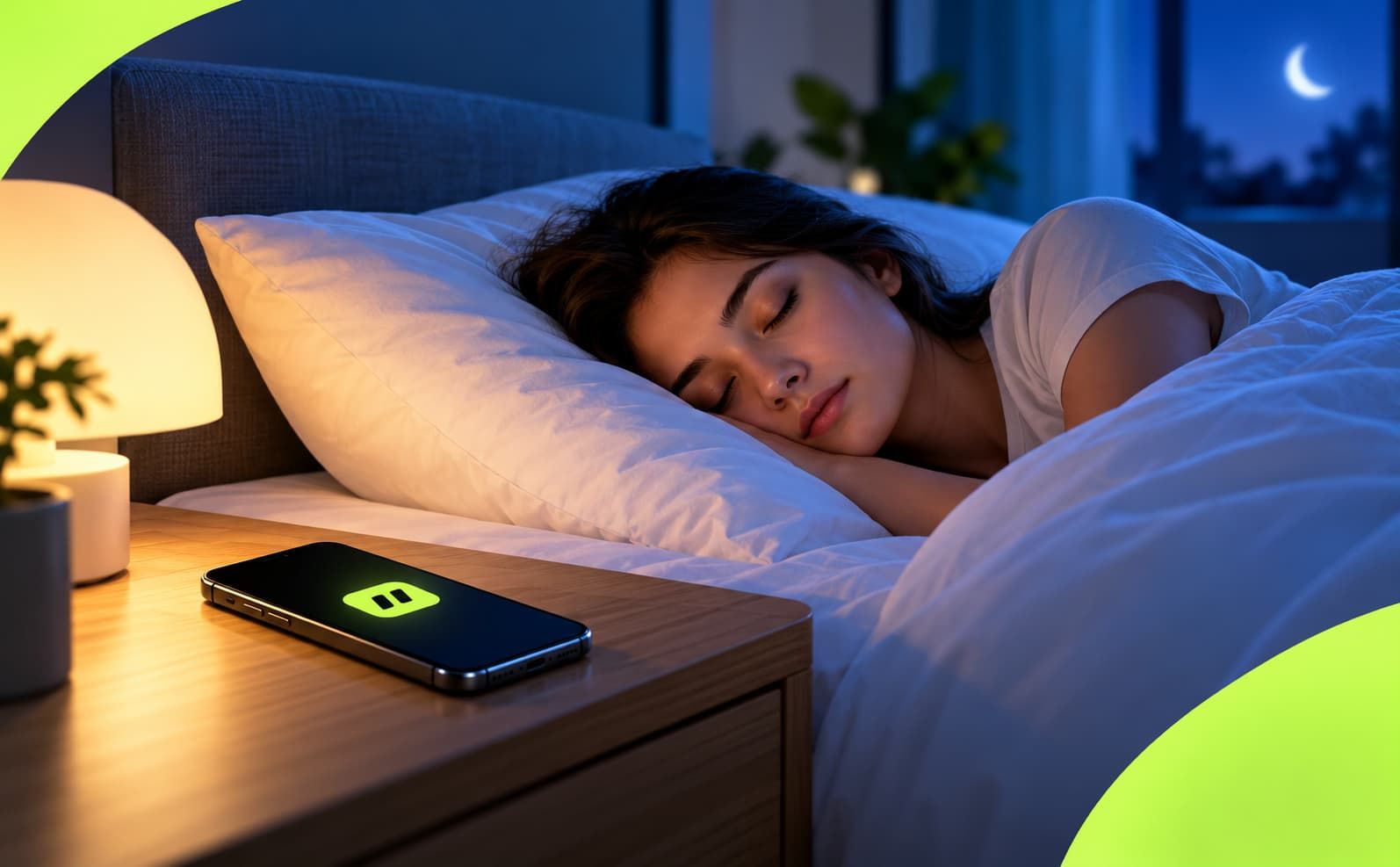
The Impact of Screen Time on Sleep
Sleep is essential for emotional health. Screen use, especially at night, interferes with sleep quality.
Lack of sleep makes teenagers more vulnerable to stress, sadness, and emotional imbalance.
How Screen Habits Replace Healthy Activities
Time is limited. When screen time increases, other healthy activities decrease.
Activities often replaced include:
- Physical exercise
- Outdoor play
- Hobbies and creative work
- Family interaction
Studies by
Mayo Clinic show that physical activity lowers depression risk, while inactivity increases it. When screens dominate daily life, teenagers lose these protective habits.
Screen Time and Emotional Health
| Screen Habit Pattern | Emotional Impact |
|---|
| High social media use | Low self-esteem and sadness |
| Late-night screen use | Poor sleep and low mood |
| Passive scrolling | Increased isolation |
| Structured screen use | Better emotional balance |
This comparison shows that how screens are used matters more than screens themselves.
Can Screen Time Be Used in a Healthier Way?
Yes. Screen use becomes safer when it is intentional and structured.
Healthy screen habits include:
- Fixed screen time limits
- Breaks from social media
- Focused digital sessions for learning
- Screen-free time before sleep
Products designed to manage screen time help teenagers build awareness, reduce impulsive use, and regain emotional balance. These tools support healthier digital routines without forcing total disconnection.
Warning Signs Parents and Educators Should Notice
Signs that screen habits may be affecting mental health include:
- Withdrawal from friends
- Constant tiredness
- Sudden mood changes
- Loss of interest in activities
- Increased irritability
Early attention to these signs can prevent deeper emotional issues.
Research shows that limiting unplanned screen use improves emotional well-being in teenagers. A study published in
JAMA found that adolescents who reduced recreational screen time by 30–60 minutes per day reported lower depressive symptoms within a month. Jolt is designed around these evidence-based insights.
Its products help teenagers build healthier digital routines through focus sessions, screen limits, and distraction control.
NIH studies indicate that structured screen habits can reduce feelings of isolation and mood instability by up to 35% over time.
| Jolt Feature | Mental Health Benefit |
|---|
| Focus sessions | Reduces emotional overload |
| App restrictions | Limits harmful social media exposure |
| Usage insights | Builds awareness and control |
By encouraging intentional screen use,
Jolt - Screen Time App supports emotional balance and helps teenagers develop healthier digital habits that protect long-term mental health.
Conclusion
Scientific evidence clearly shows that excessive and unstructured screen use increases the risk of screen time and depression in teenagers by promoting isolation, mood swings, sleep problems, and emotional stress linked to social media overuse.
However, the solution is not removing screens completely. The solution lies in balance, structure, and mindful use. By using productivity and screen management tools, teenagers can build healthier habits and protect their emotional well-being.
Jolt supports this balance by helping teens reduce harmful screen patterns and develop healthier relationships with technology.
Frequently Asked Questions
- How does screen time contribute to depression in teenagers?
Screen time contributes to depression when it is excessive and unstructured. Long hours on screens can increase isolation, disrupt sleep, and expose teenagers to constant social comparison, all of which negatively affect mood and emotional health.
- Is social media the main cause of screen-related depression?
Social media is a major factor, but it is not the only one. Passive scrolling, online comparison, cyberbullying, and pressure to seek validation can lower self-esteem and increase stress, which may lead to depressive symptoms over time.
- How much screen time is considered risky for teenagers?
Studies suggest that more than 4–5 hours per day of non-academic screen time increases the risk of low mood and depression. Balanced and purposeful screen use with clear limits is considered healthier.
- Can reducing screen time really improve a teenager’s mood?
Yes. Research shows that even small reductions in recreational screen time can improve sleep quality, emotional balance, and overall mood. Many teenagers report feeling calmer and more connected after limiting screen use.
- What are early signs that screen time is affecting a teenager’s mental health?
Common signs include mood swings, irritability, withdrawal from friends, poor sleep, constant tiredness, and loss of interest in activities. Addressing screen habits early can help prevent more serious mental health concerns.

 Download Now
 Take charge of your time