How Social Media Affects Students Study Performance?
Students today grow up with smartphones. Social media is part of daily life. It helps them stay connected, share ideas, and relax. But many students also ask an important question: Does social media affect studying?
The short answer is yes. The effects of social media on studies can be positive or negative. It depends on how it is used. When usage becomes excessive or unplanned, academic performance can suffer.
Let us understand this clearly.
How Much Time Are Students Spending Online?
Recent global reports show that young people spend between
3 to 5 hours per day on social media platforms.
According to
Statista, the average daily time spent on social media worldwide is around 2 hours and 30 minutes. Among students, this number is often higher.
Students who used social media heavily during study hours had lower academic performance compared to those who used it moderately.
Time is limited. When social media takes several hours daily, it directly reduces time available for revision, reading, and assignments.
The Science Behind Distraction
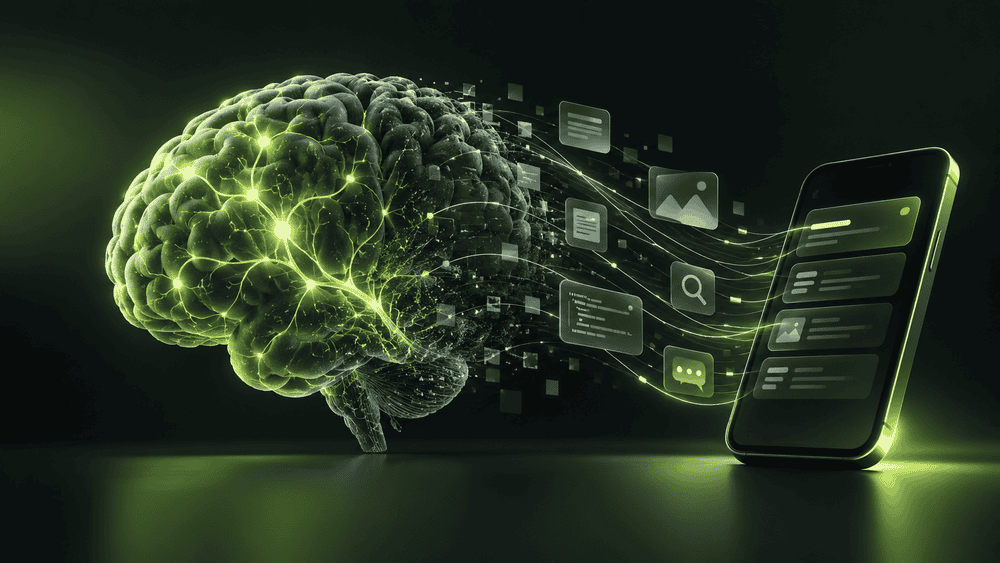
To understand the effects of social media on studies, we must look at how the brain works.
Social media platforms are designed to capture attention. Notifications, likes, comments, and short videos provide quick stimulation.
Each time a student checks their phone, the brain releases dopamine, a chemical linked to pleasure.
This creates a habit loop:
- Notification appears
- Student checks phone
- Brain receives reward
- Habit strengthens
If a student checks their phone five times during one study session, that session becomes fragmented. The result is shallow learning instead of deep understanding.
Several studies show a link between heavy social media use and lower academic scores.
A study by the
BBC Research Association found that students who frequently multitask with digital devices while studying scored lower in tests compared to students who focused on one task at a time.
Here is a simple matrix showing how social media can affect study patterns:
| Study Habit | With Frequent Social Media Use | With Controlled Use |
|---|
| Study Duration | Interrupted and shorter | Longer and steady |
| Information Retention | Lower memory recall | Better understanding |
| Assignment Completion | Delayed or rushed | On-time and planned |
| Sleep Quality | Reduced due to late scrolling | More stable sleep cycle |
| Stress Levels | Higher due to multitasking | Lower and manageable |
The table shows that unplanned usage weakens focus and increases pressure.
Sleep and Memory Problems
Sleep is essential for memory consolidation. When students scroll late at night, two problems occur:
- Blue light from screens reduces melatonin, which delays sleep.
- The brain stays stimulated instead of calming down.
The
National Sleep Foundation reports that teenagers who use phones before bed sleep fewer hours and feel more tired during the day.
Less sleep reduces concentration, attention span, and memory. This directly impacts exam performance.
Emotional and Psychological Effects
The effects of social media on studies are not only about time. Emotional factors also matter.
Students often compare themselves with others online. Seeing filtered success stories can create stress and self-doubt.
Research published in
MDPI found that reducing social media use led to lower levels of anxiety and depression among young adults.
Stress affects learning. When students feel anxious or distracted, their ability to process complex information decreases.
Yes. Social media can support studying when used wisely.
Students use platforms to:
- Join study groups
- Share notes
- Watch educational videos
- Follow academic pages
The difference lies in intention.
When social media is used as a learning tool, it supports academic growth. When it becomes passive scrolling, it harms productivity.
Balance is the key.
Students should watch for these warning signs:
- Difficulty focusing for more than 20 minutes
- Checking phone during every short break
- Studying with social apps open
- Feeling anxious without phone nearby
- Staying up late scrolling before exams
If these patterns repeat daily, academic performance may slowly decline.
Awareness is the first step toward change.
Practical Steps to Protect Study Time
Students do not need to quit social media completely. They need structure.
Here are research-supported strategies:
1. Use Focus Blocks
Study for 30 to 45 minutes without interruptions. Keep your phone away from your desk during this time.
2. Turn Off Non-Essential Notifications
Notifications are powerful triggers. Removing them reduces automatic checking.
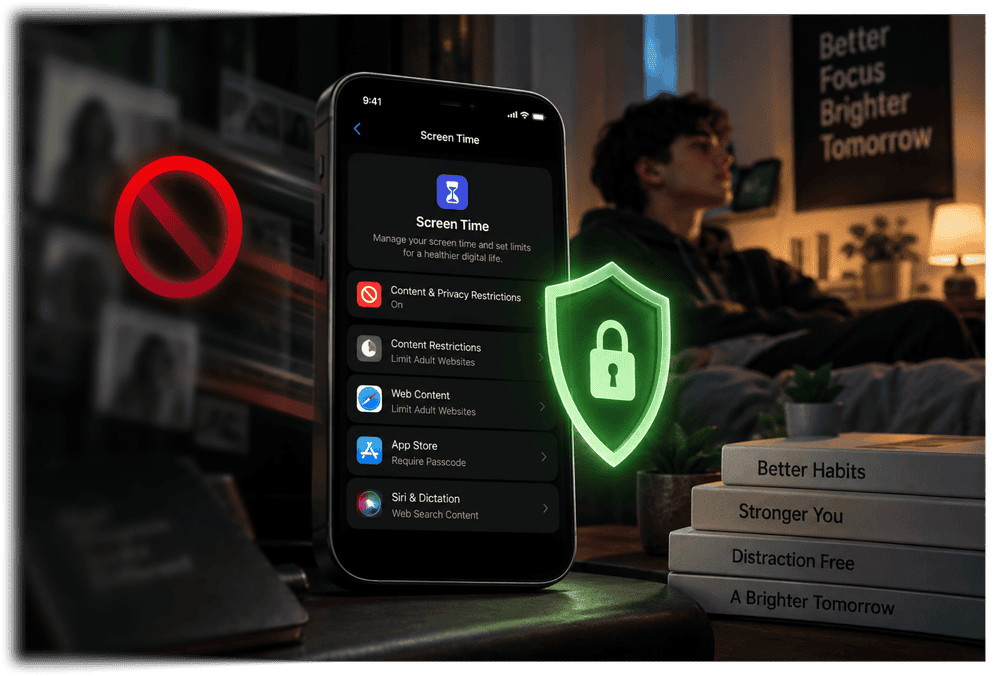
3. Track Screen Time
Most students underestimate how much time they spend online. Seeing real numbers increases awareness.
Related blog4. Avoid Late-Night Scrolling
Stop using social media at least one hour before sleep. This improves sleep quality and memory.
5. Create Digital Boundaries
Keep social apps closed while studying. Physical distance from the phone improves mental clarity.
Research from the University of Texas found that even having a phone visible reduces cognitive capacity, even if it is not being used.
Small changes protect focus.
The Long-Term View
Education builds future opportunities. Attention is one of the most valuable skills in modern life.
If social media interrupts attention daily, students may struggle not because they lack intelligence, but because their focus is fragmented.
The brain adapts to what it practices. If it practices constant switching, deep focus becomes harder. If it practices structured attention, concentration improves.
Habits shape academic results.
How Jolt Protects Your Focus Hours
Improving study performance is not only about studying longer. It is about studying without interruption.
Many students try to control their phone use through willpower, but willpower becomes weak when notifications and endless feeds compete for attention.
Jolt - best screen time app is designed to support students with structure.
It helps
reduce distractions from screen, track real usage patterns, and create focused study blocks. Instead of removing social media completely, it builds healthy digital boundaries that protect academic time.
Small improvements in daily habits can lead to stronger memory, better grades, and reduced stress over time.
- Accurate Screen Time Reports – See how many hours are spent on each app. Clear numbers build awareness.
- Focus Mode for Study Sessions – Block distracting apps during revision or assignment work.
- Custom Study Timers – Create timed study blocks to train deeper concentration.
- Daily Usage Limits – Set practical limits to prevent excessive scrolling.
- Progress Tracking Dashboard – Monitor improvement in digital discipline week by week.
With structure and consistency, students can regain control of their attention and protect their academic goals.
Conclusion
So, does social media affect studying? Yes, it does. The effects of social media on studies include reduced focus, lower memory retention, delayed assignments, and disturbed sleep when usage is excessive.
However, social media is not the enemy. The problem is uncontrolled usage during study time.
Students need structure, awareness, and digital discipline. Tools that
track screen time, block distracting apps during study sessions, and help set daily limits can make this easier. Jolt is designed to support students in building healthier digital habits, protecting focus hours, and improving academic performance step by step.
Social media can either distract you or support you. The difference depends on how you manage it.
Frequently Asked Questions:
-
What are the main effects of social media on studies?
The main effects of social media on studies include reduced concentration, lower memory retention, delayed assignment completion, and poor sleep quality. Frequent interruptions during study sessions make it difficult for the brain to process and store information effectively.
-
How many hours of social media use is too much for students?
There is no fixed number, but studies show that more than 3 to 4 hours daily, especially during study time, can negatively affect academic performance. The key issue is not only total time but also how often usage interrupts focused learning.
-
Does checking my phone during short study breaks affect learning?
Yes. Even short checks can break concentration. Research shows that after an interruption, it can take over 20 minutes to regain full focus. Frequent phone checking reduces deep understanding and slows overall progress.
-
Can social media ever help students academically?
Yes, when used with intention. Students can join study groups, watch educational videos, and access academic content. The problem begins when social media shifts from a learning tool to passive scrolling during study hours.
-
How can students reduce the negative effects of social media on studies?
Students can set fixed study blocks, turn off unnecessary notifications, keep phones away from their desk, track daily screen time, and use focus tools that block distracting apps during revision sessions. Small daily changes improve long-term results.

 Download Now
 Take charge of your time