Can Sleep Apnea Be Cured?
6-minute read
Overview: Sleep apnea is more than just snoring; it’s a serious condition impacting heart health, energy, and overall well-being. Can it be cured? This guide explores symptoms, causes, and solutions, from lifestyle changes and weight loss to medical treatments, helping you improve sleep and breathe better each night.
What is Sleep Apnea, and What Are the 5 Symptoms of Sleep Apnea?
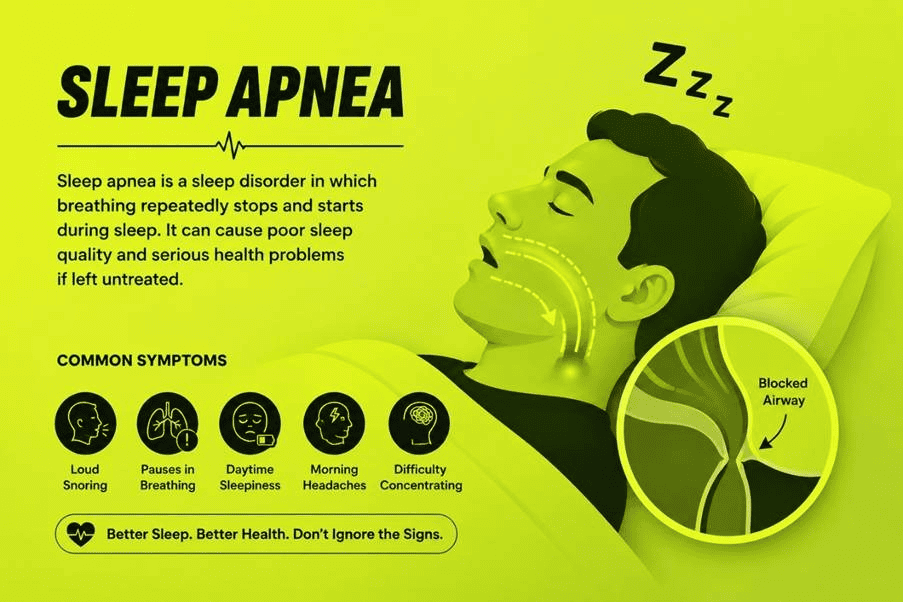
Sleep apnea is a sleep disorder in which breathing repeatedly stops and starts during sleep, reducing oxygen levels and disrupting rest. The most common type is obstructive sleep apnea, caused by airway blockage.
Five common symptoms include:
- Loud, persistent snoring
- Pauses in breathing during sleep
- Excessive daytime sleepiness
- Morning headaches
- Difficulty concentrating or memory problems
If untreated, it can lead to serious health complications like heart disease and high blood pressure.
What Is the First Stage of Sleep Apnea?
Mild or early obstructive sleep apnea (OSA) is frequently the initial stage of sleep apnea. Breathing disruptions happen frequently throughout this period of sleep, typically five to fifteen times per hour. Light snoring, mild daytime weariness, and brief awakenings are possible symptoms. Oxygen levels only minimally decrease due to partial airway obstruction. Research shows even mild OSA can increase risks of hypertension and metabolic issues over time if untreated.
Can Sleep Apnea Be Cured by Losing Weight?
Simple lifestyle adjustments can promote advancement. Because weight loss improves airflow during sleep and reduces fat around the airway, it can considerably reduce obstructive sleep apnea. In moderate situations, the symptoms could go away entirely. It is not a cure, though, because neurological or anatomical issues might still exist.
Better long-term control and general sleep health are ensured when weight management is combined with appropriate medical examination. Normal exercise, abstaining from alcohol, and upholding normal sleep patterns are further strategies that can help alleviate symptoms and improve respiratory stability when at rest.
Jolt: A Science-Backed Digital Intervention for Better Sleep and Behavioural Health
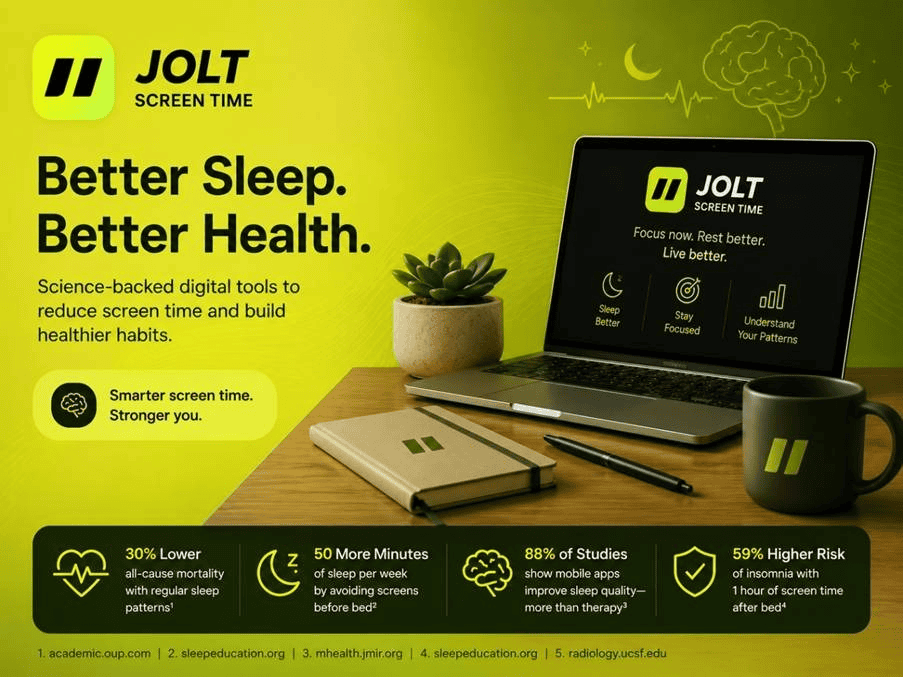
The Jolt screen time application leverages scientifically grounded behavioural and neurological principles to improve sleep and digital habits. It enables consistent sleep schedules, aligning with circadian rhythm research showing regular sleep–wake timing improves cardiovascular, metabolic, and mental health while reducing mortality risk.
A structured wind-down period (15–60 minutes) helps reduce mental stimulation and prepares the brain for sleep by gradually lowering alertness. Research shows the transition from wakefulness to sleep involves coordinated neural changes, including cortical synchronisation
(UCSF Sleep Transition Research).Finally, sleep tracking and 21-day analytics enhance awareness of behavioural patterns, with longitudinal research linking improved consistency to reduced risks of sleep apnea and hypertension. Overall, Jolt applies evidence-based interventions to promote sustainable sleep health and digital well-being**.**
FAQs
Can central sleep apnea be cured?
Central sleep apnea can sometimes be reversed if the underlying cause is treated, such as heart failure or medication effects. However, many cases require ongoing management with therapies like oxygen or specialised breathing devices. Unlike obstructive sleep apnea, it is rarely cured permanently, but symptoms can often be controlled effectively with proper care.
Can sleep apnea be cured naturally?
Although there is typically no natural "cure" for sleep apnea, lifestyle modifications can greatly improve or even completely eradicate minor instances. Symptoms can be lessened by losing weight, sleeping on your side, abstaining from alcohol and tobacco, and keeping a regular sleep schedule. However, CPAP or other medical interventions are frequently needed for moderate to severe sleep apnea.
Can sleep apnea kill you?
Sleep apnea can be dangerous and, in severe, untreated cases, potentially fatal. It repeatedly stops breathing during sleep, lowering oxygen levels and straining the heart. This increases the risks of high blood pressure, heart disease, stroke, accidents, and sudden death. Proper diagnosis and treatment significantly reduce these risks and improve overall health outcomes.
How to check for sleep apnea?
The first step in diagnosing sleep apnea is to record symptoms such as loud snoring, gasping as you sleep, or exhaustion during the day. Look for hints with wearable technology or sleep tracking applications. A sleep study, which can be conducted at home or in a clinic and involves monitoring breathing, oxygen levels, and sleep patterns overnight, is the most accurate way.
Conclusion:
Sleep apnea may not always be curable, but it can often be effectively managed with early diagnosis, treatment, and lifestyle changes. Understanding symptoms and causes is key. Small steps, like healthier habits, weight control, or medical care, can greatly improve sleep, protect long-term health, and help you wake up refreshed.
Reference:

 Download Now
 Take charge of your time