What Is the Most Common Circadian Rhythm Disorder?
6-minute read
Overview: Sleep issues often stem from a misaligned internal clock. Delayed Sleep Phase Disorder, the most common circadian rhythm disorder, disrupts sleep timing, energy, and daily function. This article explains its symptoms, causes, and treatments, offering practical and science-backed ways to restore balance and improve sleep.
What Are the Symptoms of a Disrupted Circadian Rhythm?
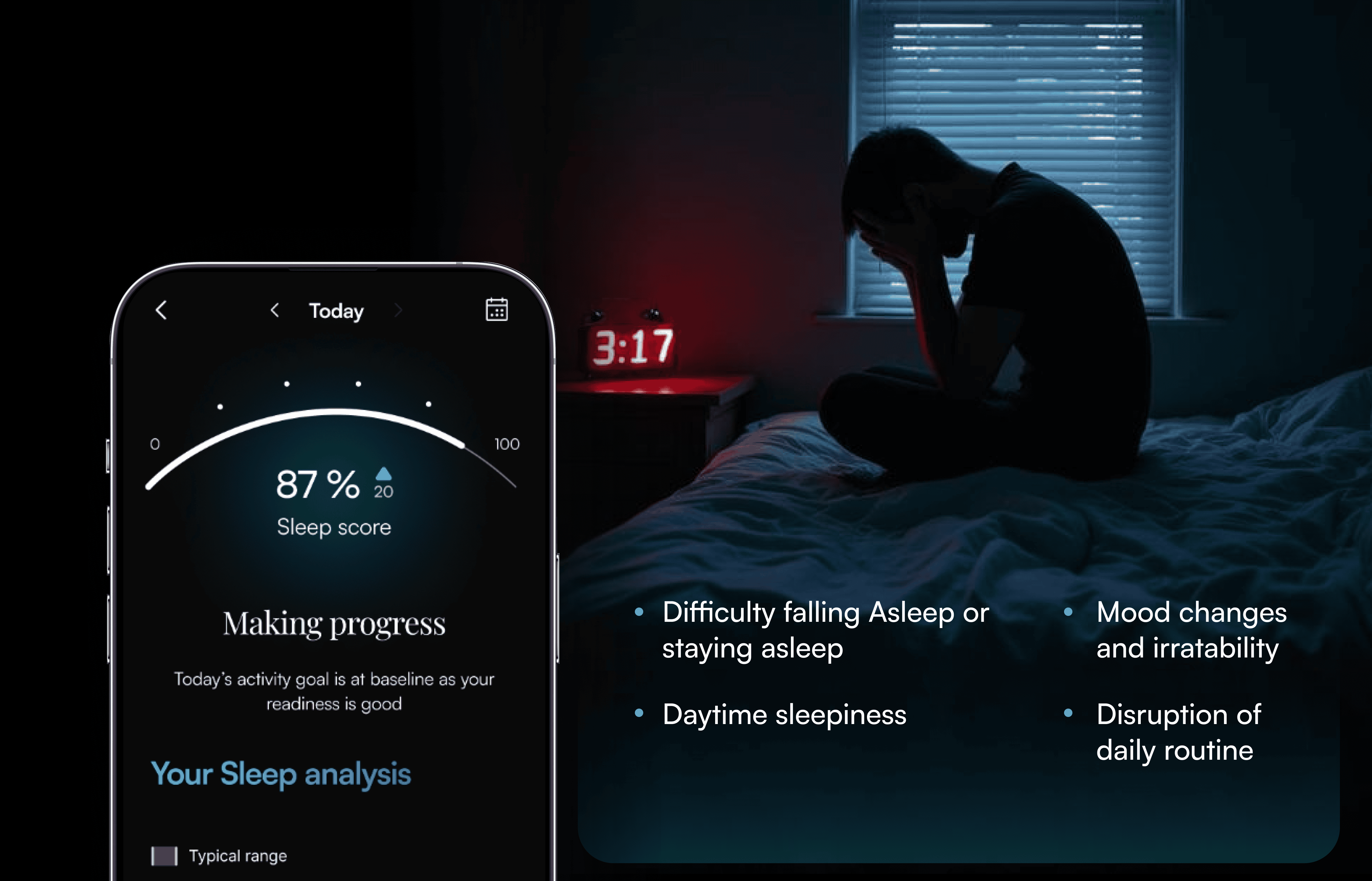
Ever feel like your body clock is completely out of sync with the world? A disrupted circadian rhythm can show up in several ways. Common symptoms include difficulty falling asleep or waking up, excessive daytime sleepiness, and feeling alert at unusual hours. People may also notice fatigue, poor concentration, mood changes (like irritability), and reduced performance in daily tasks.
Physical signs can include headaches, low energy, and appetite changes, since circadian rhythms regulate hormones and metabolism. In more severe cases, it may lead to insomnia or irregular sleep patterns. Research shows circadian misalignment can significantly impact overall health
(Circadian Rhythm and Sleep Disorders – NCBI).How Do You Treat Circadian Rhythm Disorder?
The goal of treating circadian rhythm disorders is to synchronize your internal clock with external triggers. The best method is light treatment, which involves shifting your sleep phase by exposing you to strong light at particular periods. Low amounts of melatonin supplements can also be used to modify sleep schedules.
Behavioral strategies are essential: maintain a consistent sleep–wake schedule, avoid naps, and limit light at night. In some cases, chronotherapy (gradually shifting sleep time) is used. Evidence supports combined light and melatonin therapy
(Circadian Rhythm Sleep Disorders Review – PMC).How To Reset the Circadian Rhythm With Melatonin?
To reset your circadian rhythm with melatonin, focus on timing and consistency. Melatonin signals your body that it’s time to sleep and helps regulate the 24-hour cycle
(Cleveland Clinic – Melatonin Overview). Take a low dose (0.5–3 mg) about 1–2 hours before your target bedtime to gradually shift your internal clock.
Combine it with morning sunlight exposure and a fixed sleep schedule to reinforce the new rhythm. Research shows melatonin can effectively improve circadian alignment when used properly
(PMC – Melatonin and Circadian Rhythm Study). Avoid bright light at night, as it suppresses natural melatonin release.
How Jolt Intervenes in Circadian Rhythm Disruption
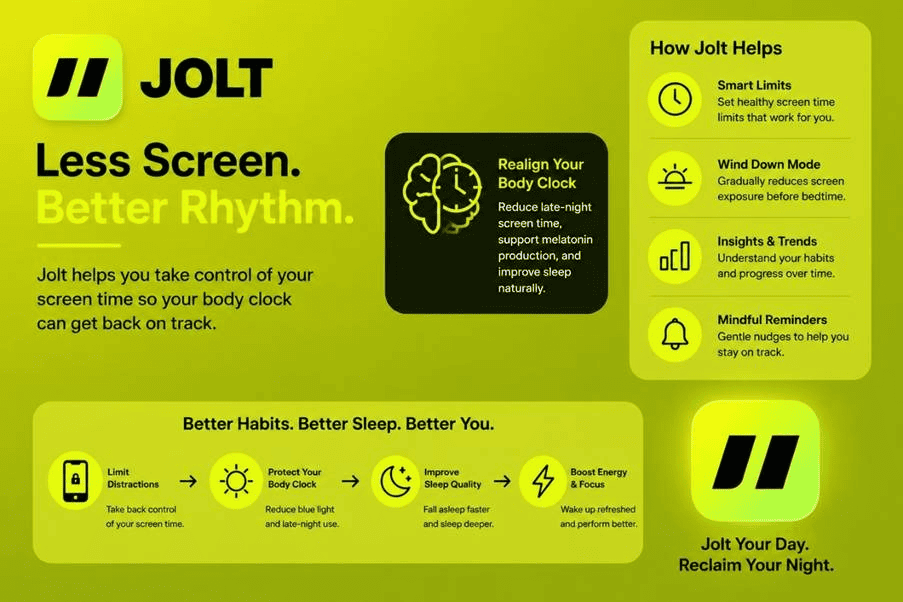
Jolt, a screen time application, is designed to realign disrupted circadian rhythms by targeting one of the biggest modern disruptors, excessive screen exposure. Late-night blue light suppresses melatonin, delaying sleep onset and shifting the internal clock. Research confirms that light exposure at night can significantly impact circadian timing,
Harvard Health – Blue Light Has a Dark Side.Jolt helps reduce this impact by limiting screen time, encouraging digital wind-down routines, and promoting healthier usage patterns. Studies also show that reducing evening screen exposure improves sleep quality and circadian alignment.
Sleep Foundation – Electronics and Sleep.By combining behavioral nudges with science-backed strategies, Jolt supports better sleep timing, improved focus, and a more balanced daily rhythm without relying on external stimulants or quick fixes.
FAQs
How to fix the circadian rhythm fast?
You may fast reset your circadian rhythm by obtaining bright sunshine within 30 minutes of waking up every day, avoiding naps, limiting devices at night, eating meals on time, exercising earlier in the day, and utilizing dim lights before bed. The secret to changing your internal clock is to be consistent for a few days.
Can you reset your circadian rhythm by staying up all night?
Yes, but it's a harsh, temporary solution. By creating intense sleep pressure, staying up late can help you "reset" your sleep schedule and go to bed earlier the following night. But it can backfire if you slumber, because it frequently results in exhaustion and poor concentration. Combine it with regular routines, set waking times, and morning sunlight for optimal outcomes.
How to reset circadian rhythm naturally?
Reset your circadian rhythm naturally by anchoring your day to consistent cues:
- Wake up at the same time daily (no sleeping in)
- Get 20–30 minutes of morning sunlight
- Eat meals on a regular schedule
- Exercise earlier in the day
- Avoid naps or keep them short (<20 min)
- Dim lights and limit screens 1–2 hours before bed
- Sleep at a fixed time consistently
Conclusion:
Circadian rhythm disorders often go unnoticed, disrupting sleep, energy, and well-being. Understanding them is key to better rest. With consistent routines, proper light exposure, and targeted care, small daily changes can reset your body clock, improving sleep quality, focus, and long-term physical and mental health.
References:

 Download Now
 Take charge of your time