What Is Restorative Sleep? Why It Matters for Health
6-minute read
Overview:
A good night’s sleep isn’t just about duration; it’s about quality. Restorative, uninterrupted sleep fuels recovery, clarity, and overall health. Without it, you may feel drained despite hours in bed. This post explains what restorative sleep is, why it matters, how much you need, and how to improve it.
How Many Hours of Restorative Sleep Do You Need?
You may be getting enough sleep, but are you getting quality sleep? Knowing what is restorative sleep may alter your perspective on relaxation.
The deep, unbroken sleep that enables your body and mind to properly recuperate is known as restorative sleep. It mostly happens during deep sleep and REM phases, when your body heals wounds, boosts immunity, controls hormones, and organizes memories.
Clinical research from the National Institutes of Health shows that during the deepest phase of non-REM sleep, the body repairs bone and muscle while also boosting the immune system. This type of sleep leaves you feeling refreshed rather than exhausted.
Teenagers may need 8–10 hours of sleep per night, whereas most adults need 7–9 hours. Reaching these age-specific limits is essential for sustaining focus, healthy physical development, and strong emotional well-being, according to
official guidelines archived by the CDC. But quality is just as important as quantity. Even if you spend adequate time in bed, restorative sleep might be diminished by poor sleep habits, stress, or frequent awakenings.
Restorative sleep and general well-being can be enhanced by establishing a regular sleep schedule, reducing screen time before bed, and creating a peaceful environment.
How To Get Restorative Sleep?
Want to wake up feeling truly recharged instead of hitting snooze five times? It’s time to upgrade your sleep game.
Establishing a regular bedtime and wake-up time is the first step towards obtaining restorative sleep. To tell your body it's time to sleep, create a cool, dark, and peaceful sleeping environment. Reduce your screen time at least half an hour before bed because blue light interferes with sleep hormones. Steer clear of caffeine late in the day and try deep breathing exercises or reading.
Better sleep not only gives you more energy but also changes your entire day, so even small adjustments can have a major impact.
5 Tips for Better Sleep
Optimizing sleep quality requires a strategic approach to both lifestyle habits and environmental factors. By aligning daily routines with the body's natural biological rhythms, sleep efficiency can be significantly improved.
The following five evidence-based strategies can help establish a healthier, more restorative sleep pattern.
1. Limit Alcohol Consumption: Alcohol may induce drowsiness, but severely fragments sleep architecture later in the night.
National Institutes of Health research confirms that alcohol disrupts natural sleep homeostasis. Avoid alcoholic beverages within four hours of bedtime.
2. Maintain a Cool Environment: The human body naturally lowers its core temperature to initiate and maintain deep sleep. Keep your bedroom temperature between 15°C and 19°C for optimal rest.
3. Minimize Blue Light Exposure: Screen light suppresses melatonin, the primary hormone responsible for signaling sleep to your brain.
A study published in PMC highlights that evening residential illumination impairs sleep quality. Discontinue screen use 45 minutes before bedtime.
4. Prioritize Morning Sunlight: Exposure to natural sunlight within an hour of waking stabilizes your internal biological clock.
Clinical reviews show morning light induces crucial phase advances in human melatonin rhythms. This routine ensures a healthier nighttime schedule
5. Establish a Caffeine Cutoff: Caffeine is a potent stimulant with a prolonged half-life that disrupts deep sleep stages.
A randomized crossover trial found that high caffeine doses within 12 hours of bedtime alter sleep architecture. Discontinue caffeine by 2:00 PM.
Master Your Sleep Architecture With Jolt
Automating your sleep routine to safeguard your natural circadian rhythm, the Jolt screen time app is designed to help you regain control of your nights. Jolt resets your internal biological clock by establishing a rigid schedule for when you should sleep and when you should wake up. Metabolic, cardiovascular, and psychological well-being are all enhanced by regular sleep schedules, according to the
National Sleep Foundation.This 15–60-minute window starts before your set sleep schedule, giving your brain the time it needs to shift from an active, alert state into a calm, sleep-ready mode as you begin to wind down. By lowering cognitive arousal, this buffer allows your brain to gradually develop neuronal cortical synchrony, easing the transition into sleep
(as supported by research from UCSF Radiology). Once the selected time limit ends, Jolt automatically blocks all apps, ensuring you can no longer use your phone and can fully commit to rest. A Gentle Reminder, Gradual Block, or Full Block can be used to personalize your defense.
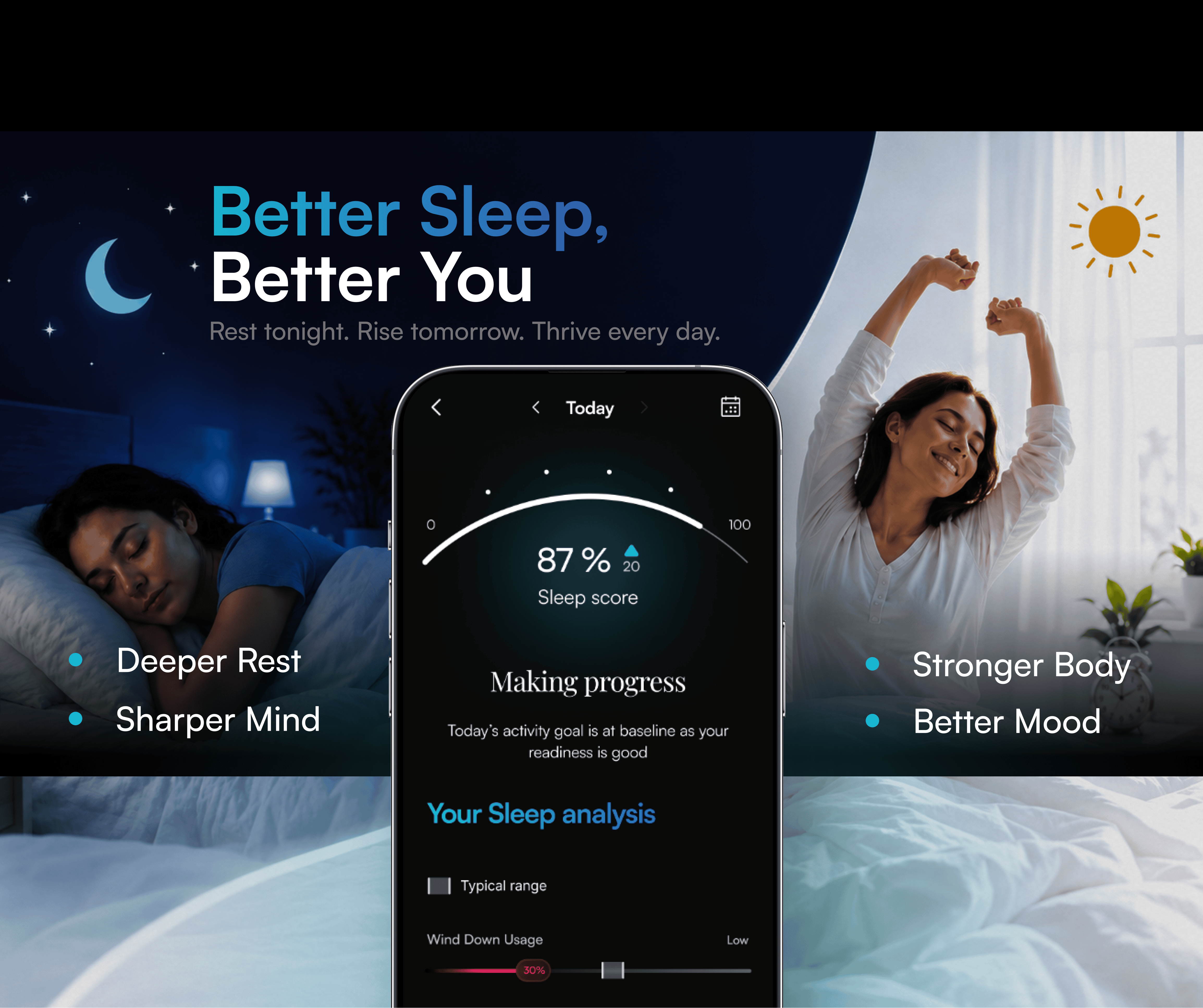
Jolt counteracts the dangers of blue light and the 59% increase in the likelihood of insomnia by actively locking all applications except a select few essential ones, ensuring minimal disruption while preserving critical functionality. At last, Jolt turns your device limits for the night into a useful Sleep Score.
FAQs
How do you treat non-restorative sleep?
Non-restorative Sleep: Maintain a consistent sleep schedule, avoid coffee and screens before bed, and create a sleep-conducive environment. Manage stress using relaxation techniques, regular exercise, & treatment of underlying disorders like sleep apnea or insomnia.
Why is my sleep never restorative?
Non-restorative sleep usually implies your body isn’t getting to, or staying in, the deep sleep stages that are refreshing. Typical causes include:
- Your circadian clock is being jacked up by irregular schedules
- Stress/anxiety keeps your brain awake.
- Too much screen time/blue light before sleep
- Sleep issues such as insomnia or sleep apnea
- Caffeine, alcohol, or late dinners
- Bad sleep environment (noise, light, temperature)
How to regain restorative sleep?
Ease into truly restful nights: Stick to a steady sleep routine, avoid late-night devices and caffeine, and create a cold, dark, and quiet sleep area. Try to calm your mind, be active during the day, and if you still do not feel refreshed, think about possible factors like insomnia or sleep apnea and get professional help.
Conclusion:
Restorative sleep isn’t optional; it’s essential for better health and productivity. It’s not just about hours, but quality. Small habits like consistent routines, less screen time, and a calm sleep space make a big difference. Tools like Jolt help you stay on track, boosting focus, immunity, and overall well-being.
References:

 Download Now
 Take charge of your time