How to Limit Screen Time for Kids
In today's digital age, kids are spending more time on screens than ever, which can lead to various health issues. Parents often struggle with how to reduce screen time for kids, making it essential to find a healthy balance.
Healthy screen habits are vital for children's development, requiring guidance to manage screen time effectively. Setting clear boundaries, and open communication between parents and children are key to successful screen time management.
This guide offers practical tips to help parents create a balanced digital environment, including understanding how much screen time for kids is appropriate and strategies to manage and limit it effectively.
Why Reducing Screen Time Matters
Excessive screen time can negatively impact a child's development. It affects both physical and mental health. This is why managing screen time is important.
Spending too much time on devices can lead to problems. These include obesity and sleep disorders. It can also contribute to attention issues.
Reducing screen time fosters healthier lifestyles. It encourages kids to engage in physical activities. This leads to better physical health and improved concentration.
To better understand the need to reduce screen time, consider these points and tips to reduce children's screen time:
- Improves social skills
- Enhances academic performance
- Boosts creativity and imagination
Reducing screen time improves children’s social interactions by encouraging face-to-face communication and stronger relationships, highlighting the
effects of screen time on children, as research links excessive use to weaker social skills and reduced real-world engagement.
Understanding Healthy Screen Habits
Establishing healthy screen habits is essential for child development. It's not only about limiting time but also ensuring quality content. Balancing screen use with other activities helps create a holistic lifestyle.
Parents should prioritize interactive and educational screen content. Choose shows or games that stimulate learning and creativity. This promotes a positive experience with technology.
Key practices for healthy screen habits include:
- Setting device-free times
- Encouraging physical activities
- Opting for educational content
- Monitoring screen content
Creating a balanced daily routine is also crucial. This should include time for homework, social interaction, and offline hobbies. By integrating these practices, children can enjoy screens responsibly while fostering their overall growth.
Setting Realistic Screen Time Limits
Establishing screen time limits is a vital step in managing screen use. Limits should be age-appropriate and flexible. This helps meet the unique needs of each child and family.
Begin by assessing your child's current screen usage and identifying patterns in their daily routine, as managing screen time for kids starts with understanding their habits and using this insight to set achievable goals for gradual reduction.
Collaborate with your child when setting limits. Discussing and deciding rules together makes children more likely to comply. This approach fosters a sense of ownership in the process.
Implementing screen time limits could include:
- Designating specific hours for screen use
- Having screens only after homework
- Keeping screens out of the bedroom
- Reducing screen time on school nights
Monitor these limits consistently. Adjust them as your child grows or as circumstances change. Flexibility allows for long-term adherence and promotes a healthy relationship with screens.
Creating a Family Media Plan
Developing a family media plan is a practical approach to manage screen time. It helps in setting clear boundaries for all family members. Start by discussing media usage and expectations with everyone involved.
A well-structured plan should include rules that reflect your family’s values. Define specific times and places where screen use is acceptable. This could include allowing screens only in communal areas or limiting usage during family meals.
Include your child in crafting the plan. This ensures they feel heard and contributes to the guidelines. An effective family media plan may address:
- Time limits on weekdays and weekends
- Approved apps, games, and websites
- Screen-free days or hours
- Use of parental controls and monitoring tools
Review and update the plan as your children grow. The flexibility in plans accommodates changing needs and technology, keeping the family aligned with goals for healthy screen habits.
Encouraging Alternative Activities
Reducing screen time is easier with engaging activities, as managing
screen time for kids becomes more effective when children explore offline interests, which research shows can naturally reduce screen use.
Outdoor play is an excellent alternative. Involvement in physical activities like biking, hiking, or playing sports offers fun and exercise. These activities promote physical health and provide an opportunity to socialize.
Creative pursuits can also captivate young minds. Encourage hobbies like drawing, painting, or crafting. These creative outlets foster imagination and do not involve screens.
Reading and educational activities are valuable, too. Set up time for library visits or create a reading corner at home. These activities help develop their curiosity and love for learning.
Some ideas for alternative activities include:
- Exploring nature trails or parks
- Enrolling in dance or music classes
- Joining a community sports team
- Participating in family game nights
By promoting these alternatives, you'll not only limit screen time but also boost your child's development. They will build diverse skills and enjoy a healthier lifestyle.
Making Screen-Free Zones and Times
Creating screen-free zones at home can significantly reduce kids' screen time. Designate areas like dining rooms and bedrooms as off-limits for screens. This encourages family interactions and promotes better sleep routines.
In addition, set specific screen-free times during the day. Meals and before bedtime are ideal moments to unplug. These breaks provide opportunities for meaningful conversations and relaxation.
Consider implementing a "tech curfew" in your household. For example, devices should be put away an hour before sleep. This practice aids in winding down and preparing the body for rest.
Here are some tips to make screen-free zones and times effective:
- Ensure all family members follow the rules
- Use screen-free time to engage in conversations
- Offer non-screen activities during these periods
Using Parental Controls and Monitoring Tools
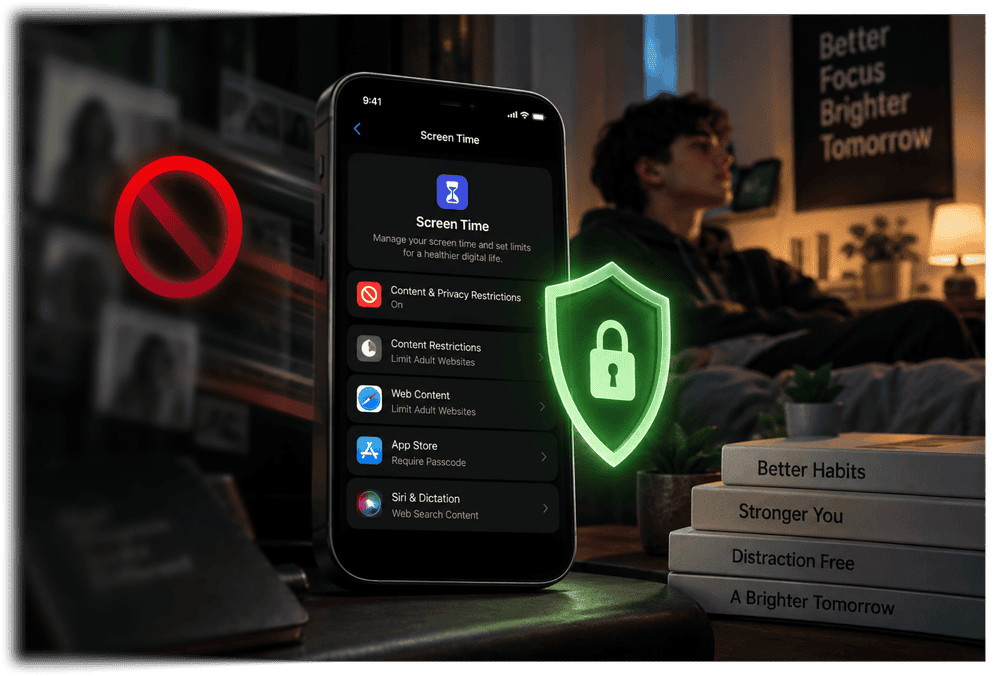
Parental controls and monitoring tools are essential for managing screen time. They help you oversee your child's online activities and limit their exposure to inappropriate content. These tools can set daily screen time limits automatically.
Many devices and apps offer built-in parental controls. Utilize these features to block harmful sites and restrict app downloads. Regularly review the settings to ensure they stay effective.
Choose from a variety of third-party apps for detailed monitoring. These apps often provide reports on time spent on screens, helping parents identify overuse patterns. Ensure that chosen tools align with your family values.
Here are some useful tips for using these tools effectively:
- Research and select the right apps that fit your needs
- Regularly discuss app findings with your kids
- Adjust settings as children grow and change their screen habits
Managing screen time for kids can help make these strategies even more effective.
Leading by Example: Parental Screen Habits
Children closely watch their parents' behaviors. Your screen habits can greatly influence theirs. Therefore, it's crucial to set a positive example.
Limit your own screen time and engage in non-screen activities. Show your child the benefits of a balanced lifestyle. This can encourage them to adopt similar habits.
Modeling healthy screen habits involves consistent behavior. Here are key actions you can take:
- Schedule family time without devices
- Keep screens out of bedrooms
- Prioritize face-to-face conversations
Communicating and Involving Kids in the Process
Effective communication is key to managing screen time for kids. Talk openly with your child about the importance of screen limits. This helps them understand the reasons behind new rules.
Involving kids in setting these limits can increase their commitment. When children feel they have a say, they're more likely to follow the guidelines. Make it a collaborative process.
Encourage open discussions about screen habits to foster cooperation. Use the following techniques to engage them:
- Ask for their input on screen-free activities
- Discuss the impact of screen time on health
- Set goals for reducing screen usage together
Handling Resistance and Staying Consistent
Resistance from children is natural when reducing screen time. Expect some pushback and be ready to address their concerns. Patience is your ally during this transition.
Consistency is crucial for successful screen time management. Adhering to the set rules establishes a routine for everyone. This consistency helps children understand boundaries and expectations.
Implement these strategies to handle resistance and maintain consistency:
- Be firm but understanding in rule enforcement
- Stay calm and listen to their frustrations
- Reinforce the benefits of reduced screen time through positive examples
Rewarding Healthy Choices and Progress
Acknowledging and rewarding your child's progress can enhance their motivation. Celebrate small victories to encourage continued effort and persistence in reducing screen time.
Effective rewards could be simple and non-material. Focus on experiences that strengthen family bonds and support non-screen activities. Here are some rewarding ideas:
- Plan a special family outing or picnic
- Arrange a day for their favorite outdoor activity
- Offer extra time on a preferred non-screen hobby or interest
When to Seek Help: Recognizing Screen Addiction
Recognizing when screen time becomes harmful is key. If a child shows signs of dependency, it might be time to seek help. Signs can include irritability when not using screens or neglecting other activities and responsibilities.
If these signs persist and affect their daily life, consult a professional for guidance. Here’s a quick checklist to help identify potential screen addiction:
- Major mood changes associated with screen use
- Increased isolation from friends and family
- Persistent decline in academic performance
- Physical symptoms like eye strain or headaches
Conclusion: Building Lifelong Healthy Screen Habits
Instilling healthy screen habits in children is crucial for their well-being, and managing screen time for kids is an important part of guiding them toward a balanced lifestyle.
Remember, consistency and patience are your allies in this journey.
Involving kids in decision-making encourages them to take ownership of their habits. Ultimately, developing these practices can lead to a healthier relationship with screens, benefiting children now and in the future.
FAQs:
What is the 3 6 9 12 rule for screen time?
The 3-6-9-12 rule guides age-appropriate media use: no screens before age 3, limited exposure from 3–6, supervised use from 6–9, and responsible use after 12. It aligns with
Screen time recommendations by age chart, helping parents set clear boundaries based on evidence from organizations like WHO, which recommend no screen time under age 2 and limited use thereafter for healthy development.
What is a healthy screen time for a child?
A healthy screen time for a child depends on age, usually up to one hour daily for younger kids and up to two hours for older children. Learning How to limit Screen Time for kids on iPhone can help parents manage usage effectively while promoting balanced routines and reducing overdependence on digital devices.
Can kids get ADHD from too much screen time?
Excessive screen time does not directly cause ADHD but may contribute to attention difficulties and impulsive behavior. Research indicates that high digital exposure is associated with reduced attention spans and executive functioning issues in children.
Studies on Negative effects of screen time on child development suggest links to reduced focus and cognitive challenges, making it important for parents to monitor and balance digital exposure in daily routines.
How much screen time is too much for kids?
Too much screen time for kids occurs when it replaces essential activities like sleep, physical play, and social interaction. Exceeding recommended limits can affect mood, behavior, and learning, so maintaining balance and setting consistent boundaries is key to ensuring children use screens in a healthy, controlled way.
What are the core benefits of screen time limits for children's well-being?
Limiting screen time supports children’s well-being by improving sleep, boosting focus, and encouraging social interaction. It also promotes physical activity and emotional balance, helping kids build healthier habits and stronger relationships while reducing reliance on digital devices in their everyday lives.

 Download Now
 Take charge of your time