Sleep Anxiety: best sleep aid for adults with anxiety
10-minute read
Overview:
Struggling with Sleep Anxiety and restless nights? This guide breaks down what causes sleep anxiety, its common signs, and practical ways to calm your mind before bed. We also explore the best sleep aid for adults with anxiety, from natural remedies to proven therapies, helping you reclaim deep, restorative sleep.
What is sleep anxiety & how to stop sleep anxiety?
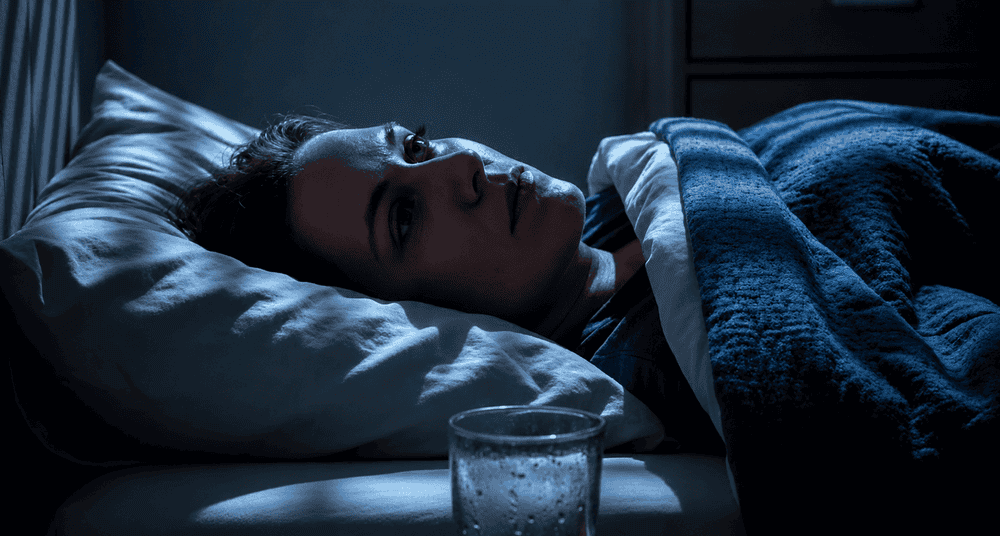
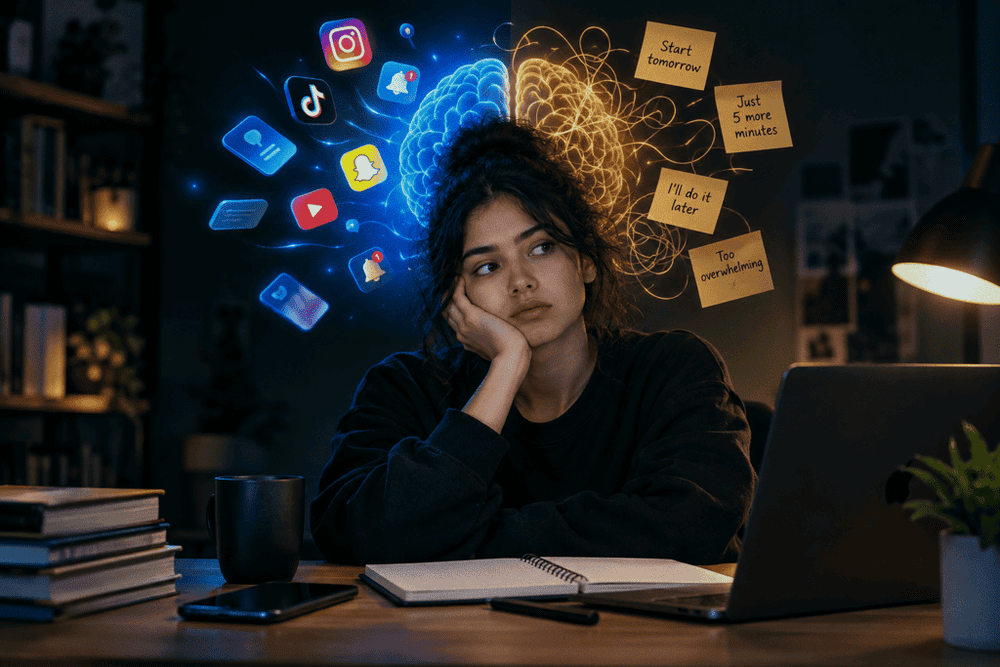
Sleep anxiety is the fear or worry about not being able to fall or stay asleep, often leading to racing thoughts, restlessness, and a cycle of stress that worsens insomnia. It can be triggered by past poor sleep, stress, or overthinking at bedtime.
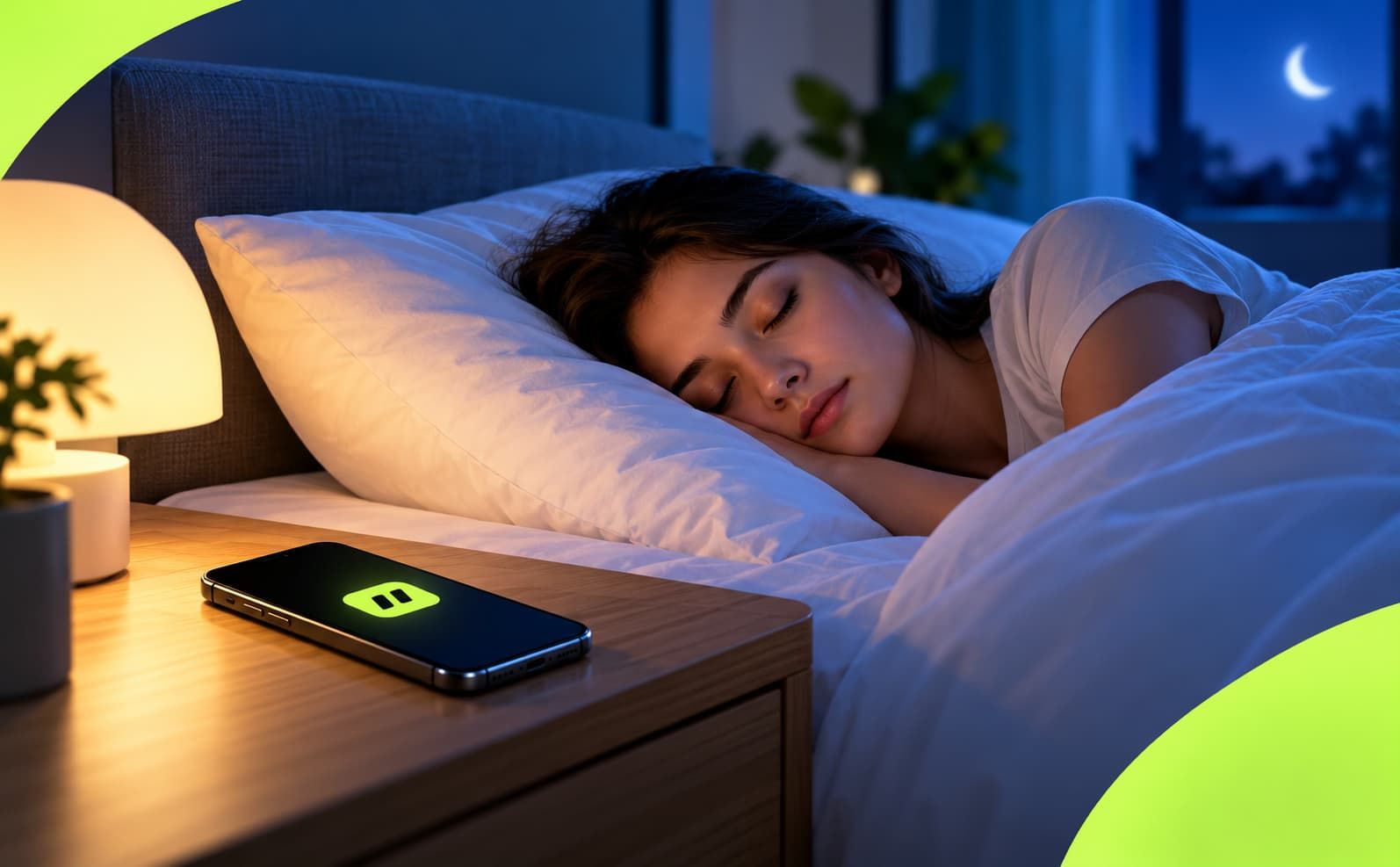
To stop it, focus on calming the mind and body: maintain a consistent sleep schedule, limit screens and caffeine at night, and create a relaxing pre-sleep routine like reading or deep breathing. Techniques such as mindfulness, meditation, and cognitive behavioral therapy for insomnia (CBT-I) are highly effective in breaking the anxiety–sleep cycle and restoring natural sleep patterns.
What are signs of sleep anxiety?
Signs of sleep anxiety include persistent worry about not being able to fall asleep, racing thoughts at bedtime, and a sense of dread as night approaches. People may experience a rapid heartbeat, restlessness, muscle tension, or shallow breathing when trying to sleep. Frequently checking the clock, overthinking the consequences of poor sleep, and feeling frustrated or helpless are also common.
Sleep may become irregular, with difficulty falling or staying asleep. Daytime effects include fatigue, irritability, poor concentration, and increased stress. Over time, the bed itself may trigger anxiety, reinforcing a cycle where fear of sleeplessness makes it even harder to relax and sleep.
What is the best sleep aid for adults with anxiety?
The best sleep aid for adults with anxiety is often melatonin combined with calming nutrients like magnesium or ashwagandha. Melatonin helps regulate the sleep–wake cycle, making it easier to fall asleep, while magnesium relaxes the nervous system by supporting GABA activity, reducing physical tension.
Ashwagandha, an adaptogenic herb, helps lower cortisol levels and ease stress-related insomnia. Together, they target both the mental and physical aspects of anxiety. Herbal options like chamomile tea can further promote calmness. Non-drug approaches such as cognitive behavioral therapy for insomnia (CBT-I) remain the most effective long-term solution alongside these natural aids.
Natural sleep aid for adults
Natural sleep aids for adults include melatonin, magnesium, valerian root, and ashwagandha, all supported by research for promoting relaxation and better sleep. Melatonin helps regulate the circadian rhythm and is widely studied for improving sleep onset, as discussed by
the National Center for Biotechnology Information.
Magnesium supports GABA activity, calming the nervous system and improving sleep quality, with evidence summarized in
NIH Office of Dietary Supplements. Valerian root shows modest benefits in reducing sleep latency in clinical reviews like this systematic review on PubMed Central, while ashwagandha has been linked to improved sleep and reduced stress in studies such as
this clinical trial report.
Foods to calm the Sleep Anxiety
Here’s a clear table summarizing foods that help calm sleep anxiety and why they work:
| Food Category | Examples | Key Nutrients/Compounds | How It Helps Sleep Anxiety |
| Dairy | Milk, yogurt, cheese | Tryptophan, calcium | Boosts serotonin & melatonin, promotes relaxation |
| Fruits | Bananas, tart cherries | Magnesium, potassium, melatonin | Relaxes muscles, regulates sleep cycle |
| Nuts & Seeds | Almonds, walnuts, pumpkin seeds | Magnesium, zinc, healthy fats | Reduces stress hormones, calms nervous system |
| Herbal Teas | Chamomile, lavender, passionflower | Apigenin, calming antioxidants | Mild sedative effect, reduces anxiety |
| Whole Grains | Oats, brown rice, whole wheat |
Strongest natural sleep aid
Valerian root is often considered the strongest natural sleep aid.
It contains compounds like valerenic acid that interact with the brain’s GABA system, promoting relaxation and reducing the time it takes to fall asleep. Studies suggest it may improve sleep quality without causing strong next-day drowsiness.
Other potent natural options include magnesium, ashwagandha, and passionflower. However, effectiveness varies by individual, and results may take days or weeks. Even natural aids can cause side effects or interact with medications, so consult a healthcare professional before regular use.
What is the safest sleep aid to take every night?
The safest nightly sleep aid is generally low-dose melatonin (≈1–5 mg), a hormone that regulates circadian rhythm. It is often recommended as a first-line option because it mimics the body’s natural sleep signal and has relatively mild side effects. Evidence shows low–moderate doses (≤5–6 mg) are usually well tolerated
NCBI review on melatonin safety.
However, most authorities stress it is safest for short-term use, as long-term safety remains uncertain
Mayo Clinic melatonin guidance. Non-drug approaches (sleep hygiene, CBT-I) are safer for nightly use. Always consult a doctor before daily use.
FAQs
Which pill is best for sleep and anxiety?
There isn’t a single “best” pill for sleep and anxiety, as it depends on individual needs. Doctors may suggest options like Melatonin, Hydroxyzine, or Sertraline. Some use Benzodiazepines briefly. Always consult a healthcare professional before starting medication to ensure safety and proper treatment.
Why do I wake up at 3am with anxiety?
Early morning increases in cortisol, the body's stress hormone, frequently result in worry when you wake up around three in the morning. Concerns become more apparent in the calm of the night. Low blood sugar, unresolved stress, or sleep disturbances can all cause your mind to become alert and make it difficult for you to fall back asleep.
How much anxiety is normal?
A reasonable amount of anxiety is defined as occasional worry or tension that corresponds to real-life conditions, such as tests or deadlines, and then fades. It shouldn't interfere with day-to-day activities or be persistent. Anxiety may be more than typical and deserving of attention if it is severe, persistent, or interferes with relationships, job, or sleep.
Melatonin Free sleep aid for adults
Herbal remedies including chamomile, valerian root, magnesium supplements, and L theanine, as well as lifestyle strategies like relaxation techniques, screen time restriction, and sticking to a regular sleep schedule, are melatonin-free sleep aids for adults. These substitutes promote hormone-free sleep, enhancing slumber while lowering reliance and lowering possible adverse effects.
Why do I get anxiety at night?
Anxiety occurs at night because the mind slows down, making room for concerns to come to the surface. Thoughts might become more intense when there are less distractions, exhaustion, and decreased cortisol levels. Silence and darkness can increase sensitivity to physical feelings, intensifying worries. Anxiety at night can be exacerbated by unresolved stress, overthinking, or abnormal sleep patterns.
What apps can help me with my Sleep Anxiety?
Sleep anxiety can be controlled using apps like Calm, Headspace, Sleep Cycle, and Jolt Screen Time. They provide screen time restriction, breathing techniques, sleep tracking, and meditation. Jolt improves sleep habits by lowering late-night phone use. Regular use can promote healthy bedtime routines for improved sleep overall, reduce stress, and ease mental tension.
Can sleep anxiety be cured?
Indeed, sleep anxiety can be successfully treated and frequently greatly decreased. Cognitive behavioural therapy, relaxation methods, proper sleep hygiene, and occasionally medication are all possible forms of treatment. While each person's "cure" is different, many find long-lasting relief by addressing underlying stress, behaviours, and attitudes that prevent them from getting a good night's sleep.
Conclusion:
Sleep anxiety can feel overwhelming, but it’s manageable with the right approach. By combining healthy sleep habits, calming techniques, and the best sleep aid for adults with anxiety, you can break the cycle and rest easier. Small changes today can lead to peaceful, anxiety-free nights ahead.
Ref:

 Download Now
 Take charge of your time