How to Turn Screen Time into Mindful Time
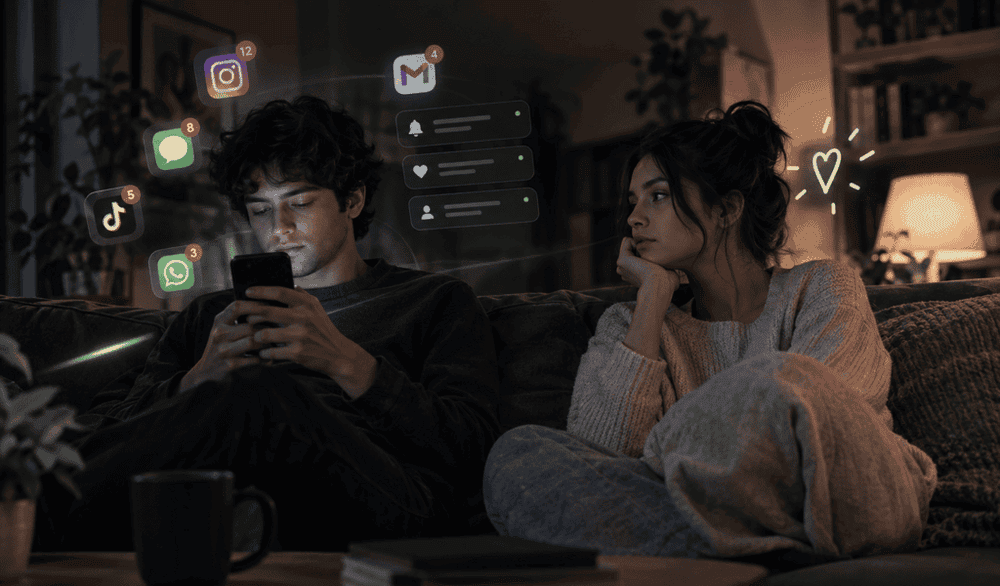
Screens are now deeply connected to daily life. People use phones for work, learning, communication, and entertainment. From morning alarms to late-night scrolling, screens stay with us all day. However, most of this usage is not planned or meaningful. It happens automatically.
Recent global studies show that people spend more than 6 hours per day on screens, and a large portion of this time is spent without clear intention. Long and unstructured screen exposure is linked with higher stress levels, poor sleep patterns, reduced focus, and mental fatigue. Many people feel tired even after doing nothing productive on their phones.
The solution is not to remove screens. That is not practical in these days. The real shift is to turn screen time into mindful time.
This means using screens with purpose, structure, and awareness. When done correctly, screens can support learning, meditation, and strong routines instead of causing distraction.
The Psychology Behind Screen Addiction
To understand mindful screen use, it is important to understand why screens are so addictive. Modern apps are designed using strong behavioral science principles. Most platforms use a dopamine loop system to keep users engaged.
The cycle works like this:
- Trigger → A notification, boredom, or habit
- Action → Opening the app
- Reward → Short videos, likes, messages, or updates
- Repeat → The brain starts craving the cycle again
This system trains the brain to keep checking the phone again and again. Studies show that variable reward systems
increase engagement by more than 40% compared to fixed reward systems. This is why social media feels hard to stop.
Over time, this leads to habit-based usage instead of need-based usage. The brain starts reacting automatically.
Mindful use begins when you break this loop. Instead of reacting to triggers, you act with intention. This shift from automatic behavior to conscious behavior is the foundation of turning screen time into mindful time.
Screen Time vs Mindful Time
Understanding the difference between normal screen time and mindful time helps in making better decisions. Most people do not realize how different the outcomes can be.
| Factor | Screen Time (Unplanned) | Mindful Time (Planned) |
|---|
| Purpose | No clear goal | Clear intention |
| Duration | Unlimited and open | Fixed and controlled |
| Outcome | Mental fatigue | Mental clarity |
| Brain Effect | Dopamine spikes | Stable focus |
| Emotional Impact | Anxiety and stress | Calmness and control |
Unplanned screen time often leads to confusion and tiredness. You may spend hours on your phone but still feel like nothing meaningful was done.
Mindful time, on the other hand, creates value. Even one hour of structured usage can improve learning, focus, and emotional balance.
The key idea is simple:
It is not about how much time you spend. It is about how you spend it.
Simple Ways to Turn Screen Time into Mindful Time
Step 1: Introduce “Intentional Entry” to Every Screen Use
One of the biggest habits people have is unlocking the phone without thinking. This small action leads to long periods of wasted time.
To change this, create a rule of intentional entry. Before unlocking your phone, decide:
- Why you are opening it
- What task you will complete
- How long you will stay
For example, instead of unlocking your phone and opening random apps, you can decide to:
- Read a specific article
- Listen to a guided meditation
- Complete a short task
Once the task is complete, you close the phone.
Over time, this builds discipline. The phone becomes a tool, not a habit.
Step 2: Design Structured Digital Routines
Routines reduce confusion. When your day has structure, you do not depend on willpower all the time.
Instead of reacting to notifications, you follow a fixed plan. This reduces unnecessary screen usage and improves control.
Advanced Routine Model
| Phase | Activity | Screen Role |
|---|
| Morning (0–1 hr) | Planning and light reading | Guided and limited |
| Deep Work | Focus sessions with no distractions | Restricted |
| Midday Reset | Meditation or breathing | Supportive |
| Evening | Learning or skill building | Purpose-driven |
| Night | Calm content or no screen | Minimal |
Sleep Education research shows that avoiding high-stimulation screen use before sleep improves sleep quality by up to 25%.
Strong routines also reduce mental load. You do not need to decide again and again what to do. Your system guides you.
Structure creates consistency, and consistency creates results.
Step 3: Convert Scrolling into Structured Consumption
Scrolling is one of the biggest reasons for wasted screen time. It is easy to start and hard to stop.
Instead of removing scrolling completely, change the type of content you consume.
Replace random scrolling with:
- Educational content
- Long-form reading
- Podcasts or audiobooks
- Guided meditation sessions
This shift changes how your brain processes information. Passive scrolling gives short bursts of pleasure but no long-term value.
Active consumption improves understanding and retention.
MDPI studies show that active engagement improves learning outcomes by up to 2 times compared to passive consumption.
This means you can still use your phone, but in a smarter way.
The goal is not to stop using the screen. The goal is to use it better.
Step 4: Use Micro Meditation Anchors
Meditation does not need long hours. Small moments can create big impact.
You can connect meditation with daily actions. This is called habit stacking.
For example:
- After checking emails → 2-minute breathing
- Before meetings → 1-minute pause
- After work → 5-minute reflection
Mayo Clinic finds that even short daily meditation sessions can reduce stress by 20–30% within a few weeks.
These small breaks reset the mind. They reduce stress and improve focus.
Your phone can support this by providing guided meditation sessions or reminders.
Instead of creating stress, your screen becomes a tool for calmness.
Step 5: Apply the “Time Boxing Framework”
Time boxing means giving a fixed time to each activity.
Without time limits, screen use becomes endless. With time limits, it becomes controlled.
Example:
- Social media → 20 minutes
- Learning → 30 minutes
- Deep work → 90 minutes
Forbes research shows that time constraints improve productivity by up to 50%.
Time boxing also creates urgency. You focus more because you know the time is limited.
This method is simple but powerful. It prevents overuse and keeps your day balanced.
Step 6: Build a Digital Environment that Supports Focus
Your environment affects your behavior more than your motivation.
If your phone is full of distractions, you will get distracted. If it is clean and structured, you will stay focused.
Improve your digital environment:
- Remove unnecessary apps from the home screen
- Turn off non-essential notifications
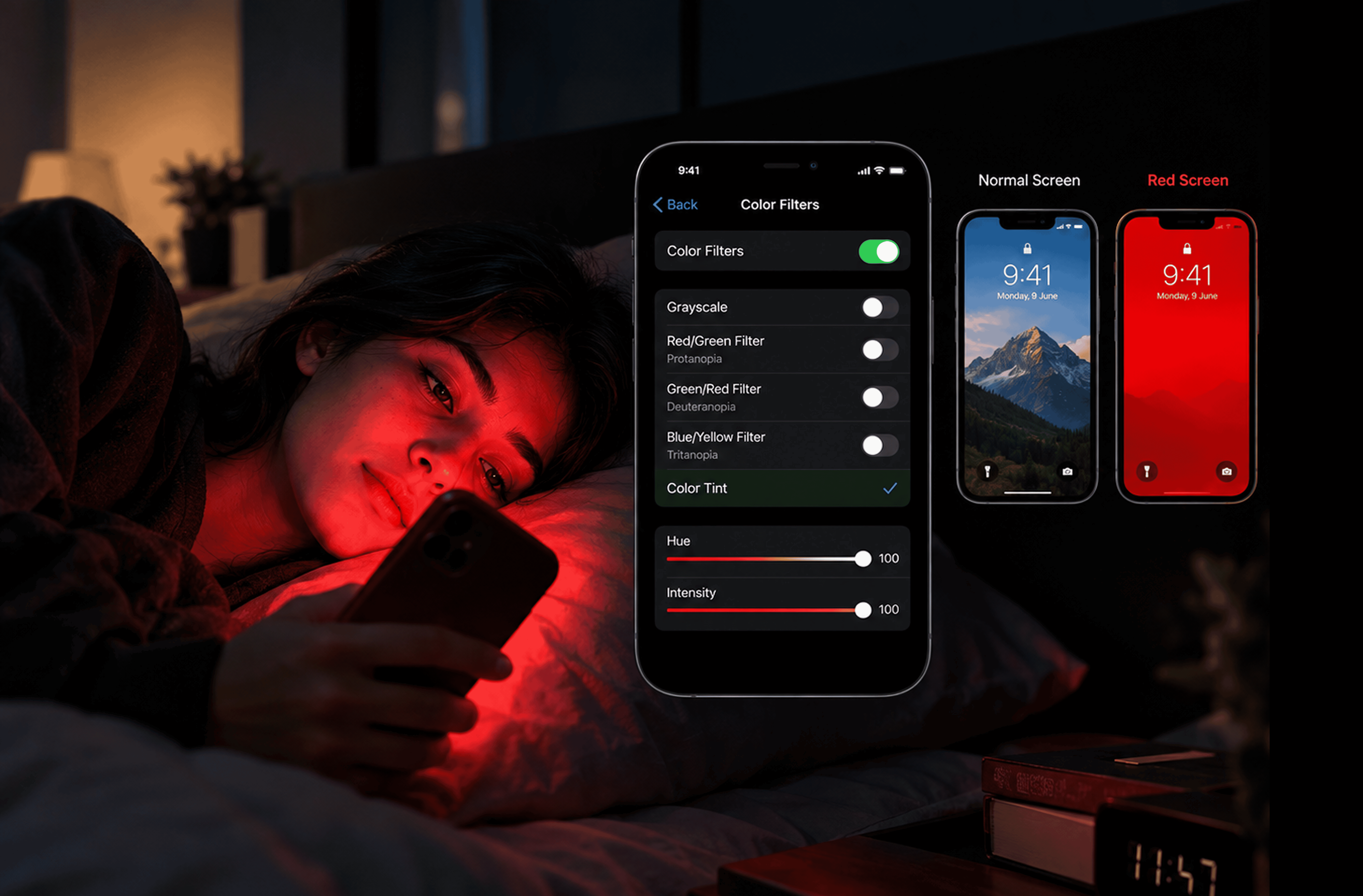
- Use grayscale mode during work hours
- Keep only important tools visible
A clean environment reduces temptation. It helps you stay in control without effort.
Step 7: Use Technology as a Control System
You do not have to rely only on discipline. Technology can help you manage your habits.
Many tools offer features like:
- App blocking
- Focus sessions
- Screen time tracking
- Reminder systems
These features create external control. They reduce the need for constant self-control.
For example, blocking distracting apps during work hours can increase productivity by 2 to 3 times.
Technology can either distract you or support you. The choice depends on how you use it.
Step 8: Measure, Analyze, Improve
Tracking your behavior is important. Without data, it is hard to improve.
Start tracking:
- Total screen time
- Time spent on useful activities
- Time spent on distractions
Sample Tracking Matrix
| Category | Time Spent | Quality |
|---|
| Social Media | 2 hours | Low |
| Learning | 1 hour | High |
| Meditation | 20 minutes | Very High |
| Work | 3 hours | High |
When you see your data, patterns become clear. You can identify what needs change.
Small improvements over time lead to big results.
Step 9: Manage Cognitive Load and Mental Energy
Too much screen exposure increases cognitive load. This makes it hard to focus.
Common signs include:
- Feeling mentally tired
- Difficulty concentrating
- Constant urge to check the phone
Mindful use reduces this load. It helps the brain rest and recover.
Adding structure and breaks helps maintain mental energy throughout the day.
Step 10: Shift from Dopamine to Discipline
Uncontrolled screen use gives quick pleasure. It feels good for a short time but creates long-term problems.
Mindful use builds discipline. It supports:
- Focus
- Patience
- Long-term growth
Instead of chasing quick rewards, you build habits that improve your life.
This shift takes time, but it creates strong results.
Examples
Consider two people who both use their phones for 5 hours daily.
One uses the phone without structure. They scroll, check apps, and feel tired.
The other follows routines, uses meditation, and tracks usage.
After one month:
- The first person sees no improvement
- The second person experiences better focus, improved sleep, and higher productivity
Same time spent. Different results.
Conclusion
Screens are not the problem. Uncontrolled habits are the problem.
When you add intention, structure, and routines, screens become powerful tools for growth.
With the help of meditation, clear routines, and controlled usage, it is possible to turn screen time into mindful time in a practical way.
Jolt best screen time app support this process by helping users block distractions, create focus sessions, and build better digital habits.
In the end, mindful time is about awareness. It is about choosing how you use your screen instead of letting it control you.
Frequently Asked Questions:
- What does it mean to turn screen time into mindful time?
Turning screen time into mindful time means using your phone with a clear purpose instead of using it out of habit. It involves choosing activities that support your mind, such as meditation, learning, or planning your day. Instead of random scrolling, you use your screen in a structured and intentional way. This helps improve focus, reduce stress, and make your time more meaningful.
- Can screen time really be good for mental health?
Yes, screen time can be helpful if used in the right way. When you use your phone for meditation, guided breathing, learning, or positive content, it can improve your mental state. Research shows that mindful activities like meditation can reduce stress levels and improve emotional balance. The key is to avoid overuse and replace passive content with useful and calming activities.
- How can I reduce unnecessary screen usage without stopping completely?
You do not need to stop using your phone completely. Instead, you can control how you use it. Start by setting time limits for apps, turning off unnecessary notifications, and creating fixed routines. Use your phone only when needed and for specific tasks. This approach helps reduce unnecessary usage while still allowing you to benefit from useful screen activities.
- How do routines help in mindful screen use?
Routines create structure in your day. When you follow a routine, you do not check your phone randomly. You use it at specific times for specific purposes. For example, you can use your phone for planning in the morning, focus sessions during work, and meditation breaks in between. This reduces distractions and improves productivity. Over time, routines make mindful usage a natural habit.
- What is the easiest way to start building mindful screen habits?
The easiest way is to start small. Begin by asking yourself why you are using your phone each time you pick it up. Add short meditation breaks during the day and set simple time limits for apps. You can also track your screen time to understand your habits better. Small steps like these gradually build strong and sustainable mindful routines.

 Download Now
 Take charge of your time


 Twinkle