Sleep and mental health: The Mechanics of Sleep and mental health
Overview: Sleep and mental health are deeply connected, and this article breaks down that relationship in a simple, practical way. We cover the science behind sleep, how sleep deprivation affects emotions and cognition, links to mental health disorders, diet tips, therapies, and effective solutions to improve overall well-being
Why sleep is important for our mental health? What is the science behind it?
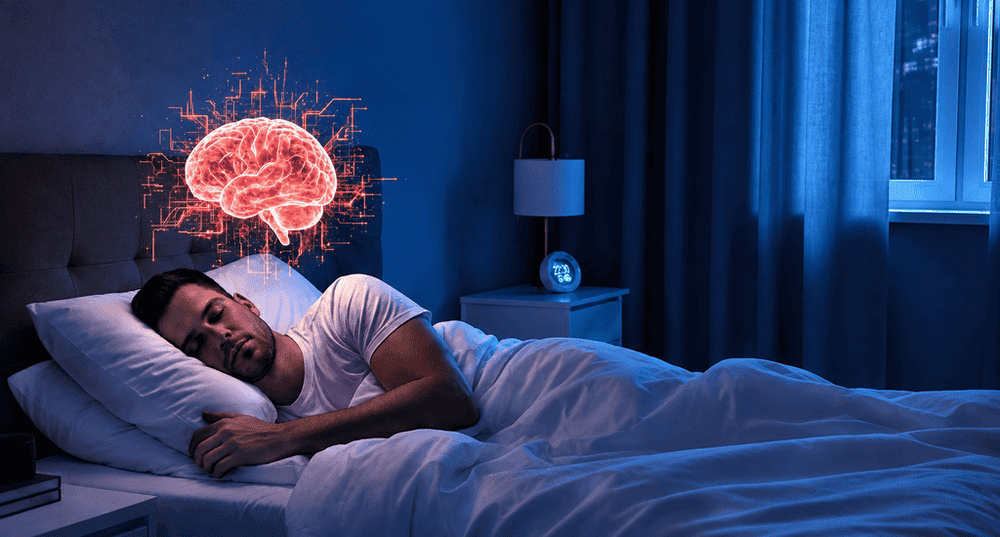
Sleep is essential for mental health because it supports brain function, emotional regulation, and stress control. During sleep, the brain processes memories, clears waste, and resets neural activity. Lack of sleep disrupts neurotransmitters and increases stress hormones like cortisol, which can worsen anxiety and depression. According to
NIH (National Heart, Lung, and Blood Institute), sleep deficiency impairs cognitive function and emotional stability.
Research from
CDC Sleep and Mental Health shows that insufficient sleep is linked to depression, stress, and reduced cognitive performance. Consistent, quality sleep helps maintain emotional balance, resilience, and overall psychological well-being.
How Sleep shortage Impacts Mental Health?
Lack of sleep has a significant effect on mental health because it interferes with the brain's ability to control stress, emotions, and thought processes. Lack of sleep impairs the brain's capacity to regulate mood, increasing irritability, anxiety, and emotional reactivity.
Additionally, it impairs focus, memory, and judgement, which results in mental exhaustion and decreased output. Chronic sleep deprivation raises the risk of mental health conditions like anxiety and depression over time. It can exacerbate pessimistic thinking, reduce motivation, and make managing everyday stress considerably more difficult.
Long-term sleep deprivation can, under extreme circumstances, cause disorientation, impaired judgement, or even hallucinations. Resilience, emotional equilibrium, and general psychological well-being all depend on getting regular, high-quality sleep.
What psychological impacts does sleep deprivation have?
Sleep deprivation has serious psychological effects because it disrupts brain function and emotional regulation. It can cause irritability, mood swings, anxiety, and difficulty concentrating. According to
NIH (National Heart, Lung, and Blood Institute), lack of sleep impairs cognitive performance and emotional control.
Research highlighted by
CDC (Sleep and Mental Health) shows that insufficient sleep is linked to higher stress, depression, and reduced coping ability. Over time, chronic sleep loss can increase emotional reactivity and risk of mental health disorders. In severe cases, it may even lead to confusion or hallucinations, emphasizing the importance of consistent, quality sleep.
Is there a connection between lack of sleep and mental health disorders?
Indeed, there is a clear link between mental health issues and sleep deprivation. Anxiety, sadness, and other problems can worsen sleep quality, which can lead to a vicious cycle. Lack of sleep has an impact on mood regulation, stress response, and brain function, which can cause irritation, low motivation, and trouble focusing.
Chronic sleep deprivation might eventually impair emotional stability and make people more susceptible to mental health problems. Both sleep quality and general mental health can be greatly improved by adopting better sleeping practices, sticking to a regular schedule, and getting help when necessary.
Which foods can help improve sleep, and which ones should be avoided?
Certain foods can promote better sleep by supporting relaxation and melatonin production. Foods rich in magnesium, tryptophan, and complex carbs are especially helpful.
- Foods that help sleep:
- Bananas, kiwis, and tart cherries
- Almonds, walnuts, and pumpkin seeds
- Oats, whole grains, and warm milk
- Herbal teas like chamomile
On the other hand, some foods can disrupt sleep by stimulating the body or causing discomfort.
Foods to avoid before bed:
- Caffeine (coffee, tea, chocolate)
- Spicy or heavy, fatty meals
- Sugary snacks and refined carbs
- Alcohol, which disturbs sleep cycles
Choosing light, calming foods and avoiding stimulants can significantly improve sleep quality and help you fall asleep faster.
Can getting more sleep contribute to weight loss?
Yes, getting enough sleep can support weight loss by regulating hormones that control hunger and metabolism. Poor sleep increases ghrelin (hunger hormone) and lowers leptin (satiety hormone), leading to overeating. Research from
NIH Sleep and Metabolism shows that insufficient sleep disrupts insulin sensitivity and increases weight gain risk.
Additionally, proper sleep improves energy levels, supports physical activity, and reduces cravings for high-calorie foods. It also helps regulate stress hormones, making it easier to maintain healthy eating habits and achieve sustainable weight management over time.
What are the most effective treatments for sleep problems?
Therapy, lifestyle modifications, and medical assistance when necessary are the most successful treatments for sleep issues. The gold standard for treating insomnia is Cognitive Behavioural Therapy for Insomnia (CBT-I), which helps alter unfavourable sleep-related beliefs and behaviours for sustained improvement.
Key approaches include:
- Maintain a consistent sleep schedule daily
- Limit caffeine and screen exposure at night
- Practice relaxation techniques like deep breathing
- Use sleep restriction and stimulus control methods
- Exercise regularly, but not close to bedtime
- Consider short-term medication under medical guidance
Together, these methods improve sleep quality, reduce insomnia, and support overall mental and physical health effectively.
Is there any valid therapy for sleeping problems?
Yes, Cognitive Behavioral Therapy for Insomnia (CBT-I) is a scientifically proven, first-line treatment for sleep problems. It helps change negative thoughts and habits affecting sleep through techniques like sleep restriction and relaxation. According to
Sleep Foundation, CBT-I improves long-term sleep quality, while
NHLBI confirms its effectiveness in managing insomnia without relying on medication.
CBT-I is usually administered via digital programs or by licensed therapists. According to research, it can drastically shorten the time it takes to fall asleep and cut down on midnight awakenings. In addition, it creates long-lasting sleep patterns, which makes it a better long-term option than sleeping drugs.
What kind of applications can help me with my sleep problems?
Sleep-related apps can help by promoting good habits, reducing stress, and establishing a consistent nighttime routine. Before going to bed, these apps usually concentrate on monitoring sleep patterns, promoting relaxation, and reducing distractions.
Helpful types of sleep apps include:
- Sleep trackers that monitor cycles and patterns
- Meditation and breathing apps for relaxation
- White noise or calming sound apps
- Habit-building apps for consistent sleep schedules
- Screen-time control apps to reduce nighttime phone use
One useful option is
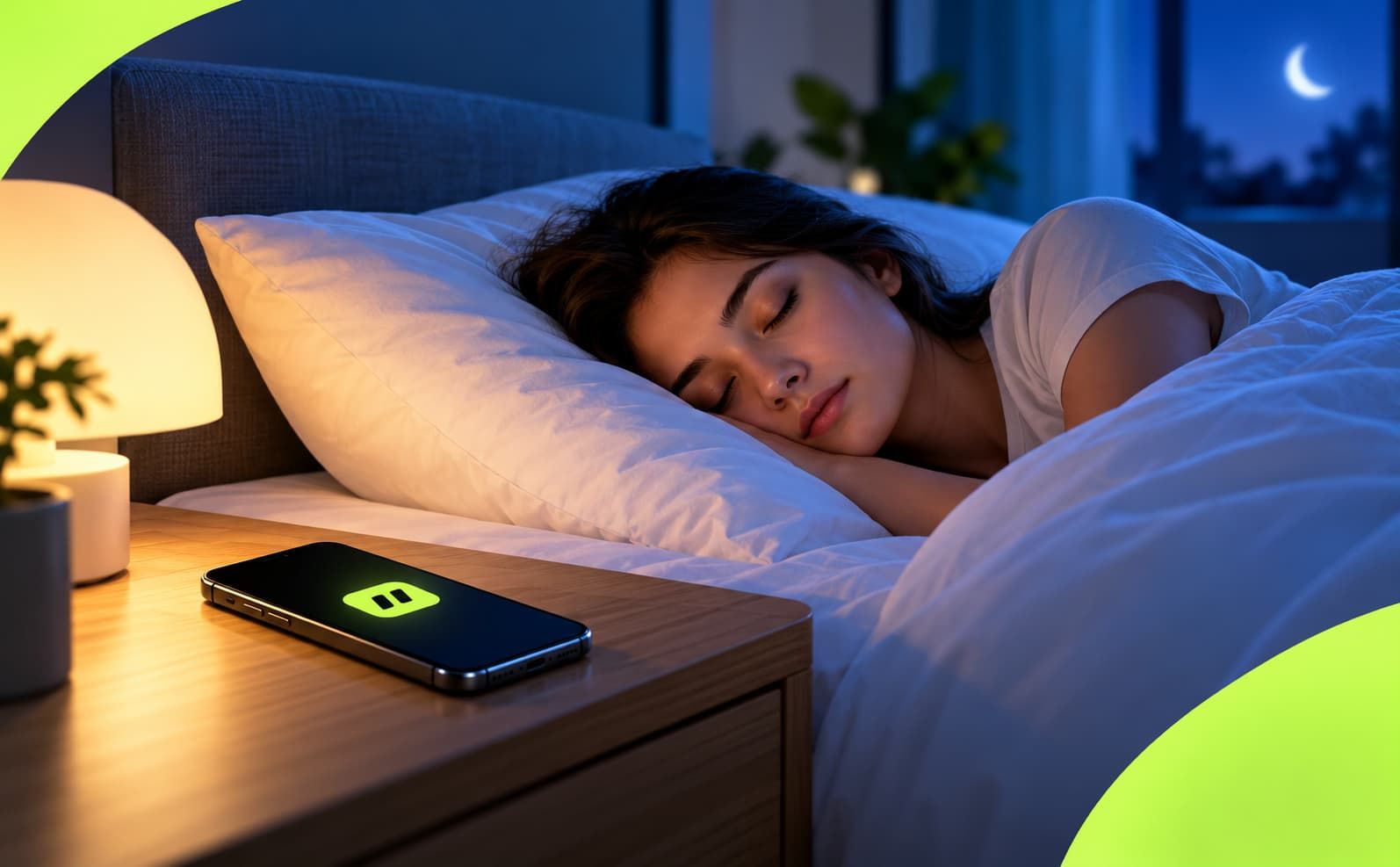
Jolt Screen Time, which helps limit late-night device usage. By reducing blue light exposure and digital distractions, it supports natural melatonin production and helps you fall asleep faster and maintain healthier sleep routines.
FAQs
How to cure sleep anxiety?
Limit screen time, establish a relaxing nighttime ritual, and engage in relaxation exercises like deep breathing or meditation to help manage sleep anxiety. Steer clear of caffeine late in the day and stick to a regular sleep pattern. Progressive muscular relaxation, calming music, and writing down concerns before bed can all assist enhance sleep.
How to function on 4 hours of sleep?
It is challenging but short-term manageable to function on four hours of sleep. Drink plenty of water, eat healthy, light meals, and take quick naps whenever you can. Limit coffee to early hours, be active, and get some sunshine. Prioritise easy things, steer clear of difficult choices, and try to get enough sleep as soon as you can.
What apps can help me schedule my sleep better?
By reducing late-night phone use, Jolt Screen Time helps you plan your sleep more effectively. It establishes app timers, monitors screen usage patterns, and promotes digital breaks. Reducing screen time before bed increases the production of melatonin, which helps you fall asleep more quickly and eventually maintain a regular, healthy sleep schedule.
What are the side effects of broken sleep every night?
Fatigue, poor attention, irritability, and mood changes might result from sleep disturbances every night. It boosts stress hormones, impairs immunity, and increases the likelihood of depression and anxiety. In the long run, it could result in cardiac difficulties, weight gain, memory problems, and a decline in daily productivity and general physical and mental health.
What organ is affected by lack of sleep?
Many organs are damaged by sleep deprivation, but the brain is the most severely affected. It affects decision-making, emotions, concentration, and memory. Over time, it also weakens the immune system, affects the heart (increasing blood pressure), and interferes with the liver's metabolism, boosting the likelihood of major health issues.
What vitamins help with insomnia?
Vitamins D, B6, and B12, as well as magnesium, can aid with insomnia. While vitamin B6 helps produce melatonin, vitamin D controls sleep cycles. B12 promotes the equilibrium of the circadian cycle. Magnesium soothes the neurological system and relaxes muscles. When combined, these nutrients enhance the quality of sleep and lessen the difficulty of getting or staying asleep.
Which fruit is best for sleep?
Banana is one of the finest fruits for sleep because it includes magnesium, potassium, and tryptophan, all of which aid in muscle relaxation and melatonin generation. Another excellent choice that is known to enhance sleep quality is kiwi. By naturally raising the body's melatonin levels, tart cherries can promote better sleep.
What to eat 30 minutes before sleep?
Consume light, sleep-friendly items such as a banana, warm milk, or a small handful of almonds. They include tryptophan and magnesium, which promote relaxation. Steer clear of heavy, hot, or sugary snacks. Before going to bed, herbal teas like chamomile can help soothe your body and enhance the quality of your sleep without making you feel uncomfortable or upset.
Conclusion:
Sleep and mental health go hand in hand, neglecting one disrupts the other. By improving sleep habits, managing stress, and adopting proven strategies, you can enhance emotional balance and overall health. Prioritizing quality sleep is a powerful step toward a healthier, happier mind.
Ref:

 Download Now
 Take charge of your time