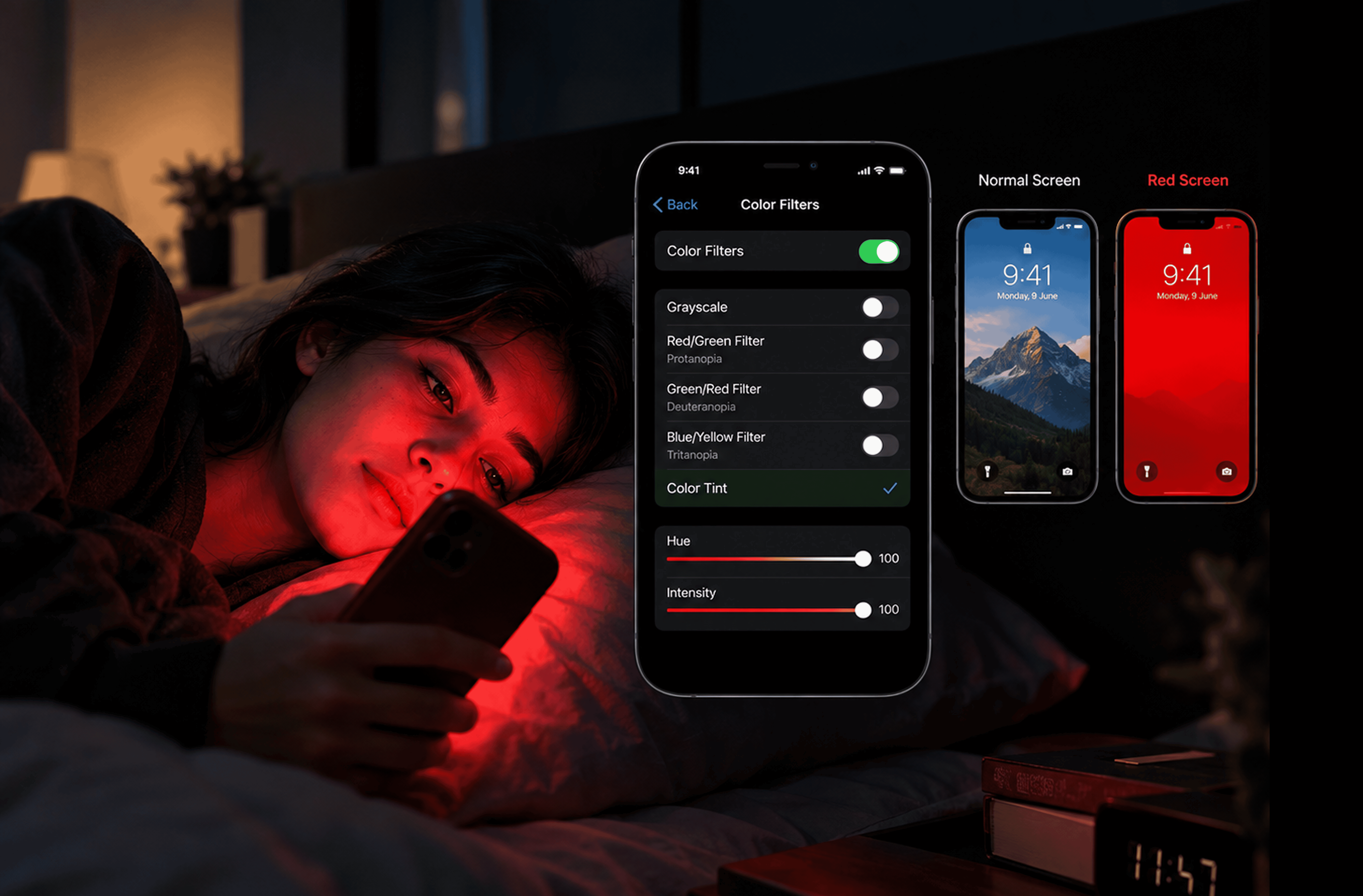
High Screen Time, Especially Just Before or in Bed, is Strongly Linked to Insomnia and Poor Sleep Quality, According to Recent Studies
High screen time, especially just before or in bed, is strongly linked to insomnia and poor sleep quality, according to recent studies. Multiple large-scale surveys and clinical research reveal that each additional hour spent on screens near bedtime increases the risk of insomnia symptoms and reduces total sleep duration.
Understanding this relationship is essential for improving sleep habits and overall health. Below is a detailed explanation supported by study data and a helpful table.
Study Data on Screen Time and Insomnia
A large Norwegian study involving over
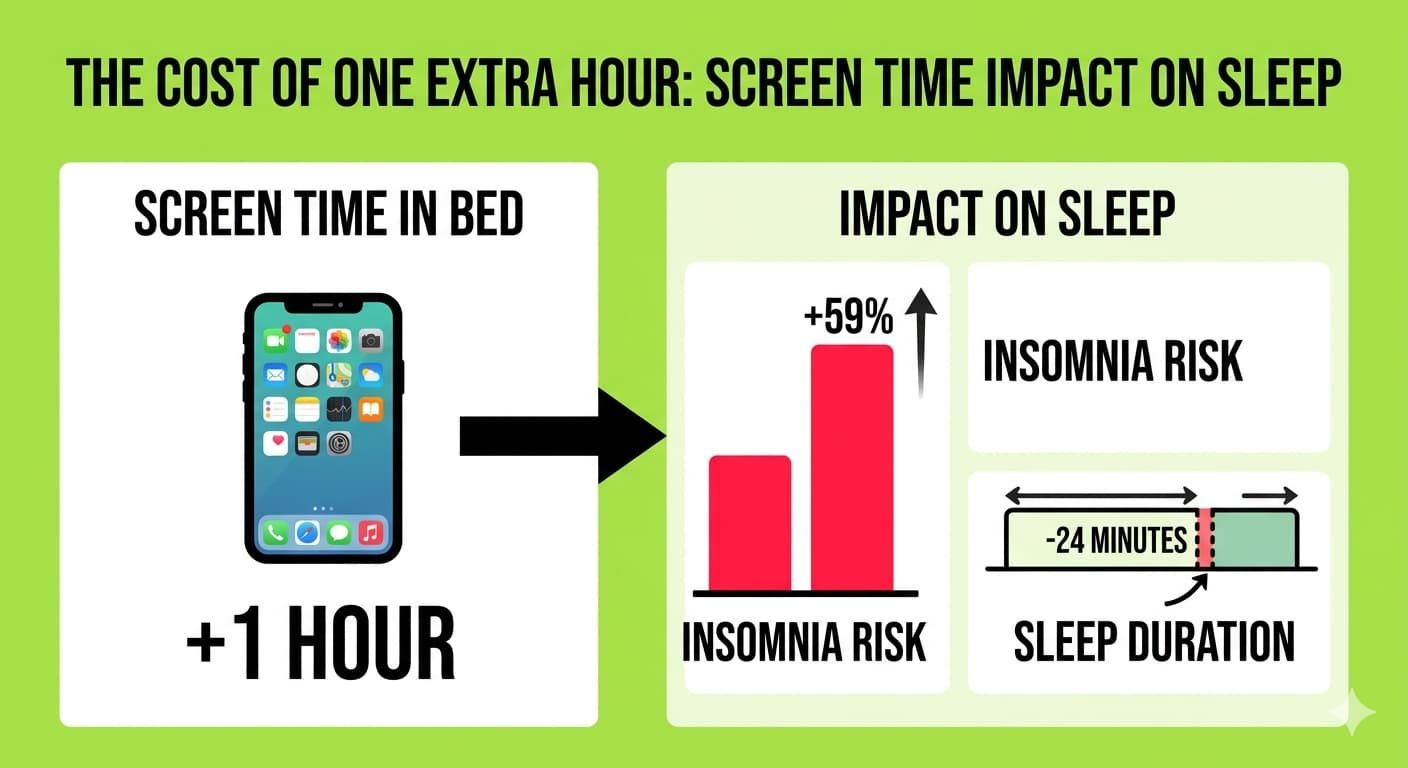
45,000 young adults found that each extra hour of screen time after going to bed raised the odds of insomnia symptoms by 59% and shortened sleep duration by about 24 minutes on average.
The study included activities such as watching shows, gaming, social media, and reading on devices. Interestingly, social media use was no more disruptive than other screen activities, suggesting that it is the screen exposure itself rather than the content that primarily affects sleep.
Additional research supports these findings:
- BMC Public Health study found that adolescents with more than 4 hours of daily screen time were significantly more likely to experience poor sleep quality.
- College students reported that screen use in bed delayed their time to fall asleep and worsened sleep quality.
- Healthline found that high screen use correlates with a greater prevalence of clinical insomnia symptoms, disrupted circadian rhythms, and daytime sleepiness.
Why Screen Time Causes Insomnia
Several mechanisms explain how screen time impacts sleep:
- Light Exposure: Screens emit bright light, particularly blue wavelengths, which suppress melatonin production. Melatonin is the hormone responsible for signaling your body to prepare for sleep. This disruption delays your internal clock and makes falling asleep more difficult.
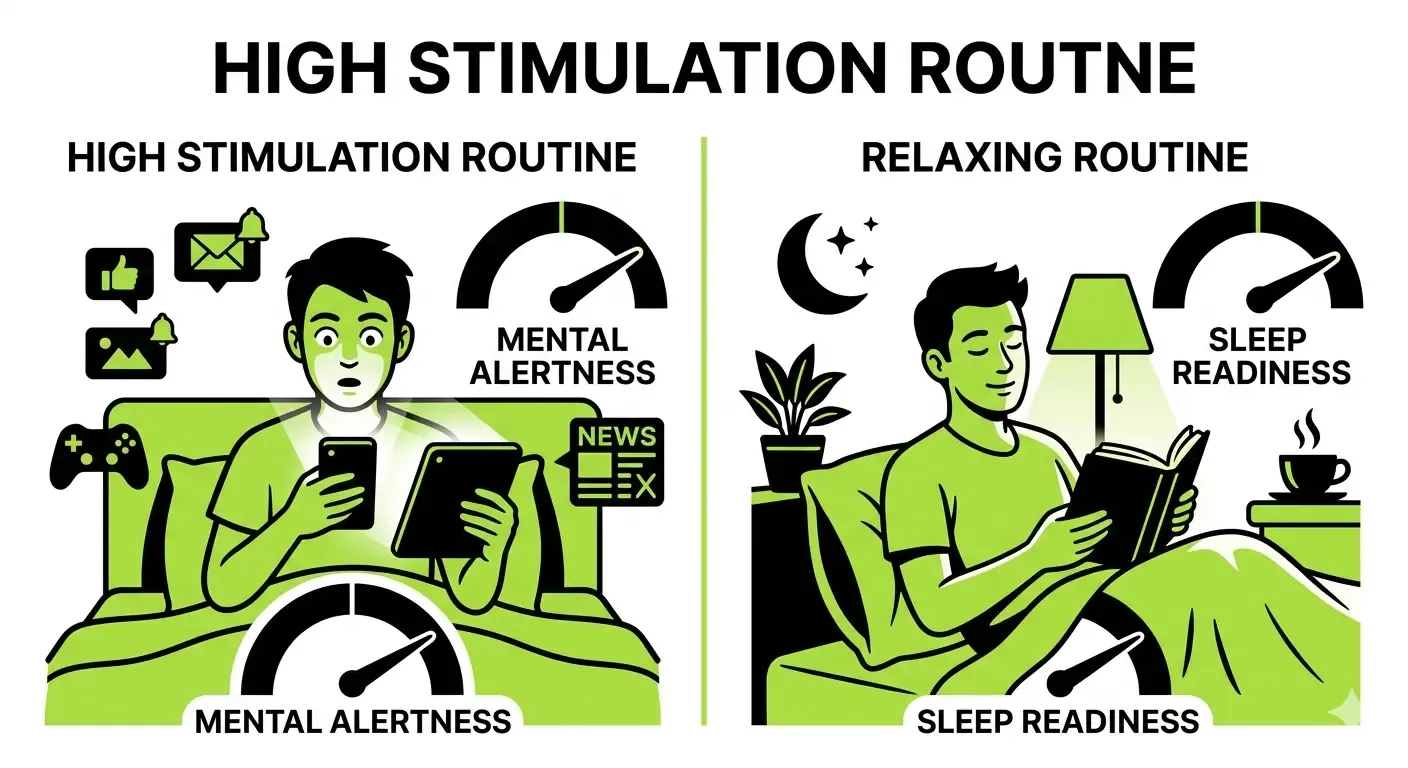
- Mental Stimulation: Using screens before bed, whether browsing social media, playing games, or watching videos, can raise alertness and cognitive engagement, making it harder to unwind.
- Emotional Impact: Content on screens can evoke emotional responses, such as stress, excitement, or anxiety, which interfere with relaxation and sleep readiness.
Sleep Disruption and Health Implications
Insomnia and poor sleep have wide-ranging effects on health, including impaired memory, reduced cognitive function, increased risk of depression, obesity, heart disease, and weakened immune response.
With about one-third of adults reporting poor sleep quality, and screen time use increasing globally, the public health consequences are significant.
Tips to Reduce Screen Time and Improve Sleep
To protect your sleep, follow these practical tips:
- Avoid screens 30–60 minutes before bed: Replace screen use with relaxing activities like reading, meditation, or light stretching.
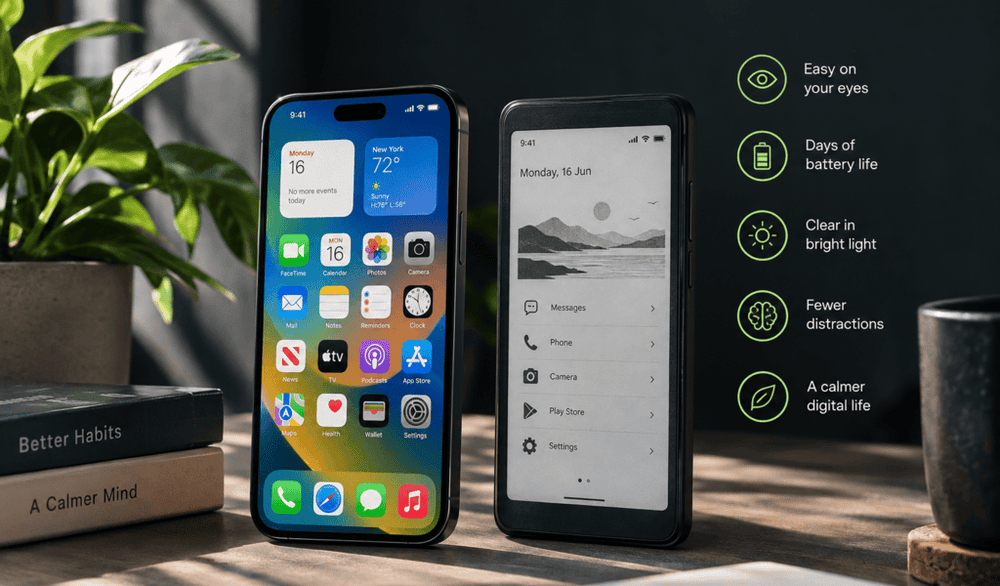
- Use night mode or blue light filters: Enable device settings that reduce blue light emissions in the evening to minimize circadian disruption.
- Silence notifications: Use “Do Not Disturb” mode during sleep hours to avoid disruptions from sounds and screen light.
- Consistent bedtimes: Maintain regular sleep and wake times to help regulate your body clock.
- Create a calming pre-sleep routine: Limit emotionally charged or stimulating content before bed.
| Metric | Impact per Additional Hour of Screen Use Near Bedtime | Notes |
| Insomnia risk | Increases by approx. 59%-63% | Shown in young adults and teens |
| Sleep duration | Decreases by ~24 minutes | Average reduction per hour of screen |
| Sleep latency (falling asleep) | Longer by 10-20 minutes | Time to fall asleep increases |
| Sleep quality | Poorer (more wakefulness, less deep sleep) | Measured by questionnaires and sensors |
| Daytime sleepiness | Increases | Poor nighttime sleep leads to tiredness |
Conclusion
High screen time, especially close to bedtime, can significantly raise the risk of insomnia and reduce overall sleep quality.
Light exposure, mental stimulation, and emotional engagement from screens disrupt the body’s natural sleep signals. Scientific evidence supports setting screen limits before bed and using device features that reduce blue light.
Digital wellbeing products that track screen time and facilitate scheduled focus and downtime, like those in
Jolt - Screen Time App, can help users manage screen use and protect essential restorative sleep for better health and productivity.
Frequently Asked Questions
- How does screen time monitoring work without invading employee privacy?
Monitoring tools track app and website usage, active and idle times, and can take periodic screenshots of work applications. They avoid invasive methods like keystroke logging unless specifically allowed. Transparency with employees about what is tracked and respecting work hours ensures privacy is maintained.
- Can screen time monitoring really improve employee productivity?
Yes, research shows productivity can improve by 15-22% when monitoring is paired with proper feedback and goal setting. It helps identify distraction patterns, balance workloads, and prioritize tasks more efficiently. However, over-monitoring may cause stress and reduce creativity.
- Is it possible to monitor screen time across multiple devices?
Many screen time monitoring tools sync usage data across desktops, laptops, tablets, and smartphones. This provides a fuller picture of overall work activity regardless of device. Employees receive consolidated reports showing total productive and distractive time.
- How do focus sessions help reduce screen distractions?
Focus sessions block distracting apps and notifications for set periods, usually 25-50 minutes, followed by breaks. This helps users work in uninterrupted blocks, which boosts deep focus and reduces multitasking inefficiencies.
- What role do screen time reports play in improving work habits?
Screen time reports detail how long employees spend on productive apps versus distractions. Reviewing these insights individually or with managers helps spot inefficient habits, supports goal adjustments, and encourages accountability and healthier digital habits.

 Download Now
 Take charge of your time