Sleep temperature: The Role Temperature Plays in Sleep Quality
Overview: Sleep temperature plays a crucial role in how well you rest each night. This article explores the ideal sleep temperature, how it affects sleep quality, and the health risks of poor sleep. You’ll also discover practical tips to regulate temperature, improve comfort, and create the perfect sleep environment for deeper, uninterrupted rest.
How does temperature affect sleep quality?
How does poor sleep quality affect your health?
Poor sleep quality negatively impacts both physical and mental health. It weakens the immune system, making you more prone to infections and illness. Chronic sleep deprivation is linked to conditions like Heart Disease, Diabetes, and Obesity. It also affects brain function, leading to poor concentration, memory issues, and increased risk of Depression and anxiety.
Lack of quality sleep disrupts hormones that control appetite and stress. Over time, it can reduce energy levels, lower productivity, and significantly decrease overall quality of life and long-term well-being.
What is the best temperature for sleep?
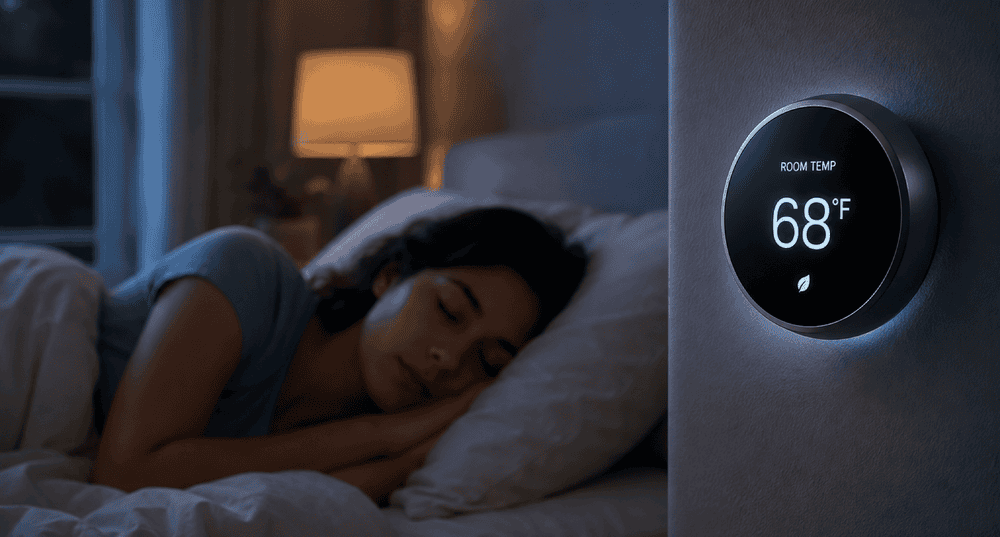
The best temperature for sleep is generally between 60–67°F (15–19°C). This range supports your body’s natural sleep cycle, which is regulated by the
Circadian Rhythm. At night, your core body temperature naturally drops to signal that it’s time to sleep. A cool room helps this process happen smoothly, allowing you to fall asleep faster and stay asleep longer.
If the room is too hot or too cold, it can disrupt sleep stages, causing restlessness and frequent awakenings. Maintaining a slightly cool, comfortable environment is key for deeper, more restorative sleep.
What are the best ways to regulate your temperature while sleeping?
Regulating temperature while sleeping works best when you align with your body’s natural cooling rhythm. The
Sleep Foundation guide on temperature and sleep explains that a cooler room (around 16–19°C) supports deeper sleep. Your core body temperature drops at night, so using breathable bedding and good airflow helps. A warm shower before bed can trigger cooling afterward. Keeping hydration balanced and avoiding heavy meals late also reduces overheating, helping maintain a stable, comfortable sleep environment.
What is an unhealthy temperature to sleep in?
An unhealthy sleep temperature is typically anything too far outside the recommended 16–19°C (60–67°F) range. Rooms above 24°C (75°F) can disrupt your body’s natural cooling process, causing sweating, restlessness, and poor-quality sleep. On the other hand, temperatures below 12°C (54°F) may lead to discomfort, shivering, and difficulty staying asleep.
Extreme temperatures interfere with melatonin production and deep sleep cycles. Over time, consistently sleeping in such conditions can affect mood, immunity, & overall health. Maintaining a balanced, comfortable environment is essential for restful, uninterrupted sleep and proper body recovery.
Does bed and pillow effect sleep
Yes, your bed and pillow significantly affect sleep quality. A supportive mattress keeps your spine aligned, reducing back and neck pain, while the right pillow maintains proper head and neck position. Poor support can cause discomfort, frequent waking, and restless sleep. Materials also matter, breathable fabrics regulate temperature and prevent overheating.
Firmness preference varies, but comfort is key for uninterrupted sleep. Over time, worn-out mattresses and flattened pillows lose support, negatively impacting rest. Choosing the right combination based on your sleeping position, side, back, or stomach, helps improve sleep quality, reduces pressure points, and promotes deeper, more restorative sleep overall.
Does the perfect temperature for sleep exist?
The idea of a “perfect” sleep temperature isn’t universal, but science suggests a narrow optimal range. Research from
Sleep Foundation shows most people sleep best between 16–19°C (60–67°F).
This works because your body follows circadian rhythms that lower core temperature at night, as explained by Harvard Medical School sleep research. A cooler room supports melatonin release and deeper sleep stages. However, age, gender, and personal comfort shift this “ideal,” so the perfect temperature is biologica, but also individual**.**
Tips to sleep peacefully without any disturbance?
To sleep peacefully, follow these simple tips:
- Maintain a consistent sleep schedule by going to bed and waking up at the same time daily
- Keep your bedroom cool, dark, and quiet for better relaxation
- Avoid screens, caffeine, and heavy meals before bedtime
- Use comfortable bedding and a supportive mattress and pillow
- Practice relaxation techniques like deep breathing or meditation
- Reduce noise using earplugs or white noise
- Exercise regularly, but not too close to bedtime
- Keep your sleeping space clean and clutter-free
These habits help your body relax, fall asleep faster, and stay asleep longer.
Why Screen Time Matters as Much as Room Temperature for Sleep?
Screen time plays a crucial role in sleep quality, much like maintaining the right room temperature. Exposure to blue light from phones and tablets suppresses melatonin, the hormone responsible for sleep, making it harder to fall asleep and reducing overall restfulness.
Using tools like Jolt can help track and limit device usage before bedtime, encouraging healthier habits. Just as a cool, comfortable room signals your body to rest, reducing screen exposure signals your brain to unwind. Together, managing both environmental factors and digital habits creates an ideal setting for deeper, more restorative sleep.
FAQs
What temperature is too cold for dogs to sleep outside
Temperatures below 7°C (45°F) are generally too cold for many dogs to sleep outside, especially small, short-haired, or young dogs. Below 0°C (32°F), it can be dangerous for most breeds. Cold conditions increase the risk of hypothermia and discomfort, making safe, warm shelter essential for outdoor sleeping.
What happens if the room temperature is too hot? Will I be able to sleep peacefully?
If the room temperature is too hot, your body struggles to cool down, making it difficult to fall and stay asleep. You may feel restless, sweat more, and wake frequently. Hot conditions reduce deep sleep quality, so you’re less likely to sleep peacefully and may feel tired, irritable, and uncomfortable the next day.
Why do I sleep better in the cold?
You sleep better in the cold because your body naturally lowers its core temperature at night. A cooler environment supports this process, helping you fall asleep faster and stay asleep longer. It also increases melatonin production, reduces restlessness, and promotes deeper, more restorative sleep cycles for overall improved rest quality.
Why can’t I sleep when it is too noisy outside?
Noise disrupts sleep by stimulating your brain and preventing relaxation. Sudden or continuous sounds keep your body in a semi-alert state, making it harder to fall or stay asleep. Even low-level noise can interrupt deep sleep cycles, reducing rest quality and causing frequent awakenings, fatigue, and difficulty concentrating the next day.
Ideal sleeping temperature for women
The ideal sleeping temperature for women is typically between 18–22°C (65–72°F). Hormonal changes can affect body temperature, so a slightly cooler room often improves comfort and sleep quality. Using breathable fabrics, light bedding, and proper ventilation helps maintain a stable, cool environment for deeper, uninterrupted rest.
Ideal temperature for sleeping for baby
The ideal sleeping temperature for a baby is between 20–22°C (68–72°F). This range helps prevent overheating and supports safe, comfortable sleep. Dress your baby in light layers and use breathable bedding. The room should feel slightly cool, not hot or cold, to reduce the risk of sleep disturbances.
Best temperature for sleep in summer
The best temperature for sleep in summer is around 18–24°C (65–75°F). A cooler room helps your body lower its core temperature, promoting deeper and more restful sleep. Use fans, light bedding, and breathable fabrics to stay comfortable and avoid overheating during warm nights.
Conclusion:
Finding the right sleep temperature can transform your sleep quality and overall health. By maintaining a cool, comfortable environment and adopting simple habits, you can fall asleep faster and wake up refreshed. Small changes in your sleep setup can lead to big improvements in rest and well-being.
Ref:

 Download Now
 Take charge of your time