The Great Lock In 2026: How to Use the Last Months of the Year Without Burning Out
By late October, the year feels half over and half unfinished. The Great Lock In turns that feeling into a plan: use the final stretch of the year to focus on goals instead of waiting for January. This guide explains what the trend is, what research says about fresh starts and habits, and how to lock in without wearing yourself out.
Quick answer: The Great Lock In is a social media trend in which people focus on chosen goals from September 1 through December 31, roughly 120 days. It is not an official program. It works best with one to three clear goals, specific daily actions, and planned rest. Research supports fresh starts & habit building, & workplace guidance warns that unmanaged stress can lead to burnout.
Key Takeaways
- The Great Lock In is a mindset, not a method. You decide what to lock in on.
- It runs from about September 1 to December 31. If you are joining late, you still have weeks to work with.
- Fresh starts raise motivation. Landmarks such as a new month make people more likely to act on goals.
- Habits need repetition. One study found an average of 66 days to reach automaticity.
- Rest is part of the plan. Burnout is linked to chronic stress that goes unmanaged.
What Is the Great Lock In?
The Great Lock In is a trend in which people use the end of the year to focus on goals and set new intentions. As
TheGrio describes it, goals can be concrete, such as landing a job, keeping a workout routine, or saving money, or more abstract, such as being more present with loved ones. "Lock in" means to concentrate fully on a task. The trend asks you to do that for months.
When Does the Great Lock-In Start and End?
The common window runs from September 1 to December 31, which is about 121 days. It is a longer cousin of the Winter Arc, which usually starts October 1 and lasts about 90 days. Neither has an official calendar.
If you are joining late, ask what one thing is worth finishing before the year ends.
Why Do Late-Year Resets Work?
Because new beginnings change how people see their goals. In a
Management Science study on the fresh start effect, researchers found that searches for "diet," university gym visits, and goal commitments rose after landmarks such as the start of a week, month, or year.
That boost fades without structure. Researchers who tracked people forming new habits found it
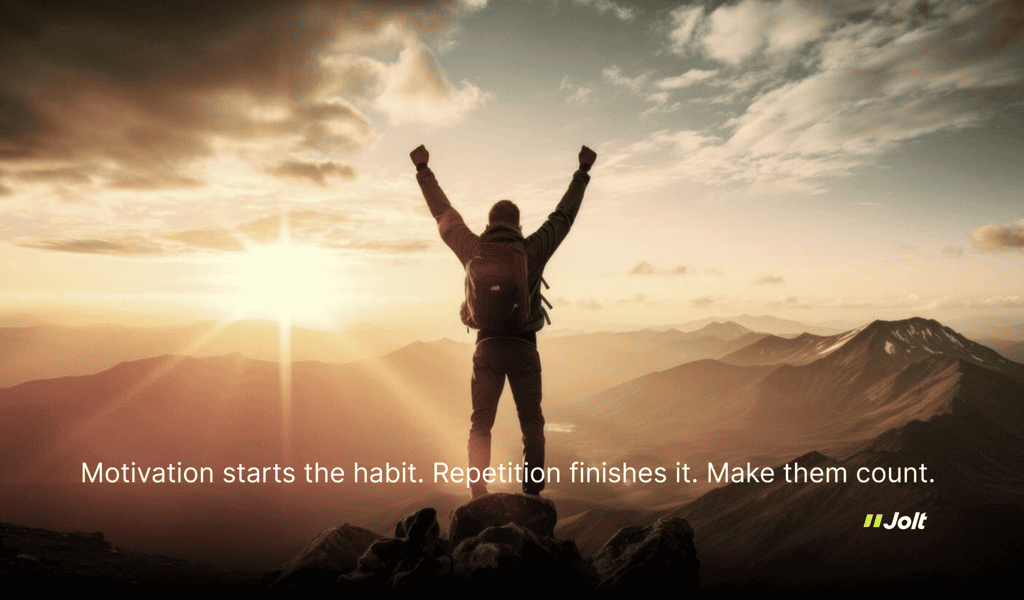
took an average of 66 days to reach peak automaticity, with wide individual variation from 18 days to a predicted 254. A single missed day did little harm. Many missed repetitions did. The takeaway for a lock-in: motivation starts the habit; repetition finishes it.
How Do You Lock in Without Burning Out?
Pick fewer goals and protect recovery. The World Health Organization describes
burnout as a syndrome from chronic workplace stress that has not been successfully managed, marked by exhaustion, mental distance from work, and reduced effectiveness. A lack of balance that piles extra goals onto a full job can push in that direction.
A sustainable version looks like this:
- Choose one to three goals. One career goal, one health goal, and one personal goal is plenty.
- Break each into a daily action. "Save money" becomes "move 10 dollars to savings every Friday."
- Use if-then plans. A meta-analysis of 94 tests found that implementation intentions had a medium to large effect on goal attainment (d = .65).
- Schedule rest. Keep one lighter day a week and protect sleep.
- Review monthly. Adjust the plan instead of abandoning it.
What Should You Lock In On?
Choose goals you can measure and that matter to you.
| Goal type | Example | Daily action |
| Career | Finish a certification | 30 minutes of study |
| Health | Build a walking habit | 20-minute walk after lunch |
| Money | Build a small emergency fund | Weekly transfer on a set day |
| Relationships | Be present with family | Phone away at dinner |
| Rest | Protect sleep | Fixed wind-down time |
TheGrio adds a useful caution: a very long list of changes can make you feel like you are failing.
How Do You Stop Your Phone from Derailing the Lock In?
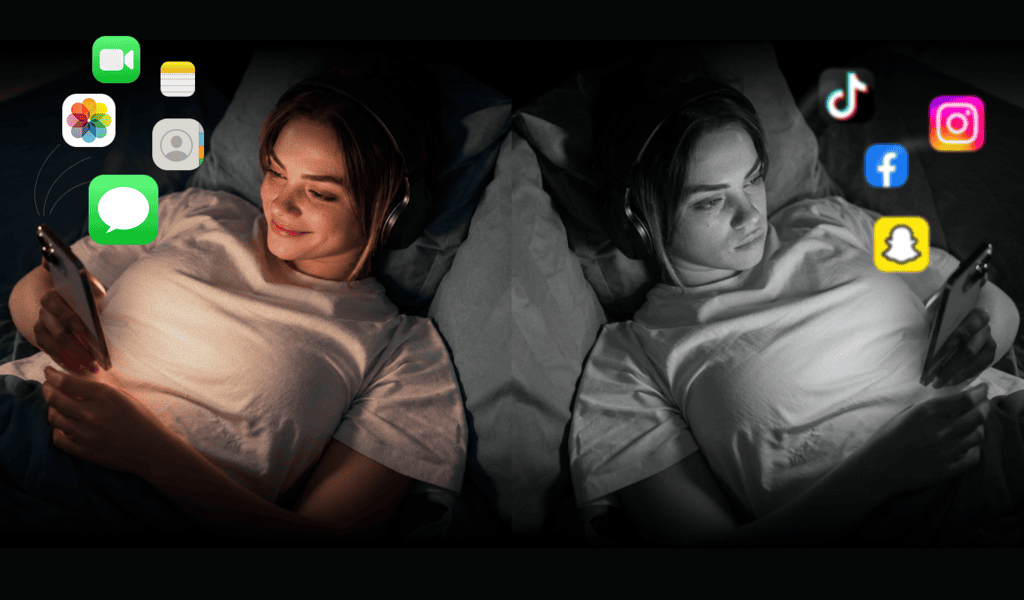
Treat attention as a limited resource and design your surroundings. Most lock-ins fail in small moments: a quick check that becomes forty minutes. Mute non-essential notifications, keep your phone out of reach during focus blocks, and decide in advance which apps are off limits. Tools help because they add friction when willpower runs low.
Picture this. It’s 9 p.m., and you’ve finally sat down to work. Your goal is clear, your coffee is hot. Then your phone buzzes. Just one quick look, you tell yourself. Forty minutes later, you’re deep in a video you never planned to watch, and your lock-in is gone. Sound familiar? You didn’t fail because you’re lazy. You failed because your phone was built to win that moment. So what if something stood on your side instead?
How Can Jolt Support Your Great Lock In?
Jolt is a screen time app built for people who have already decided to change. Focus Session blocks chosen apps instantly, with presets of 25, 50, and 90 minutes. Sleep Schedule blocks apps between bedtime and wake time, with wind-down windows around sleep. Good Apps First keeps distracting apps locked until you spend a set time in a productive app. Bounce mode can lock apps when you arrive at your office or library. Daily and Weekly Reports show where your attention went, so you can adjust each month. Easy, Medium, and Hard modes set how hard a blocked app is to open. Start with the one feature that closes your biggest gap.
Frequently Asked Questions
What is the Great Lock In?
The Great Lock In is a social media trend in which people focus on chosen goals through the last months of the year. It is not an official program. Goals can be practical, such as landing a job, keeping a workout routine, or saving money, or personal, such as being more present with family and friends.
When does the Great Lock In start and end?
The common window is September 1 to December 31, about 121 days. There is no official calendar, so you can join at any point. If you start in October or November, you simply get a shorter run, which can still be long enough to build a habit if you repeat one clear action daily.
How is the Great Lock In different from the Winter Arc?
The Great Lock In usually begins on September 1 and runs about four months, while the Winter Arc usually begins on October 1 and runs about three months. Both ask you to commit to daily habits, and neither is official. Pick the one whose length you can realistically finish.
How do I avoid burnout during a lock-in?
Choose one to three goals, schedule a lighter day each week, protect your sleep, and review your plan monthly. The World Health Organization describes burnout as the result of chronic workplace stress that has not been managed, so treat rest as part of the plan, not a reward you earn after the work is done.
Can a screen time app help me lock in?
Yes, by adding friction when willpower dips. App blockers can protect focus blocks, limit repeated opens, and guard sleep. They work best when paired with clear goals and specific daily actions, not as a replacement for them. Start with the one app that costs you the most time and review the results after a week.

 Download Now
 Take charge of your time