Sleep Tracker: How To Track Sleep & Why You Should Be Tracking Your Sleep
10-Minute read
Overview: A Sleep tracker can transform how you understand your rest and overall health. In this guide, we cover how sleep trackers work, how to track sleep using apps or devices, and why sleep is so important. You’ll also learn tips to measure sleep quality, improve habits, and boost daily performance through better sleep.
What Is a Sleep Tracker & Why Is Tracking Your Sleep Important?
A sleep tracker is a device or app that monitors your sleep patterns, helping you understand how long and how well you sleep each night. It collects data such as movement, heart rate, and sleep duration to give insights into your sleep habits. Tracking your sleep is important because it helps you identify patterns and improve your overall well-being.
Here’s why it matters:
- Builds awareness – shows how much sleep you actually get.
- Improves sleep habits – helps you create a consistent routine.
- Boosts health – supports better immunity, mood, and energy (Sleep and immune function).
- Detects issues early – highlights irregular sleep patterns.
- Enhances daily performance – improves focus, productivity, and mental clarity (sleep and cognitive performance).
How Do Sleep Trackers Track Your Sleep?
Sleep trackers monitor your sleep by using a combination of sensors and algorithms to estimate your sleep patterns throughout the night. Here’s how they typically work:
- Movement tracking (actigraphy) – detects body movement to identify when you’re asleep or restless.
- Heart rate monitoring – tracks changes in heart rate to estimate sleep stages.
- Breathing patterns – observes respiration to understand sleep depth and disturbances.
- Sound detection – picks up snoring or environmental noise.
- Algorithms and data analysis – combine all inputs to estimate sleep cycles like light, deep, and REM sleep.
While not as precise as clinical methods, sleep trackers provide useful insights into your sleep habits and overall sleep quality.
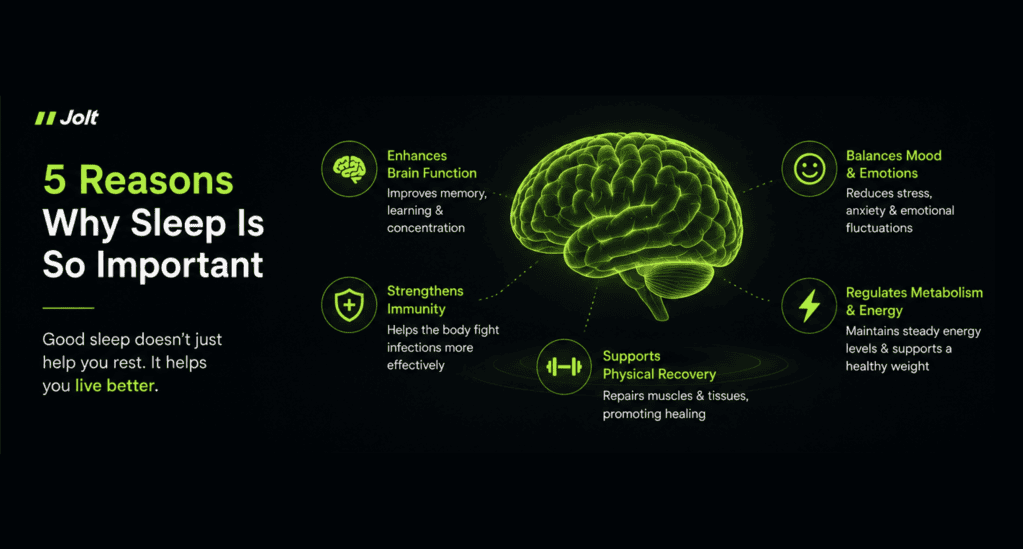
What Are 5 Reasons Why Is Sleep So Important?
Sleep is the foundation of a healthy life, quietly supporting both your body and mind every single day. When you sleep well, everything from your thoughts to your physical health works better.
Here are five powerful reasons why sleep is so important:
- Enhances brain function – improves memory, learning, and concentration, as shown in research on sleep and memory.
- Strengthens immunity – helps the body fight infections more effectively, supported by studies on sleep and immune function.
- Supports physical recovery – repairs muscles and tissues, promoting overall healing.
- Balances mood and emotions – reduces stress, anxiety, and emotional fluctuations.
- Regulates metabolism and energy – maintains steady energy levels and supports a healthy weight.
What Parts of the Brain Are Affected by Sleep?
Sleep influences several key brain regions, supported by scientific research:
- Prefrontal cortex – Sleep loss reduces focus, decision-making, and self-control.
- Hippocampus – Strengthens memory and learning during sleep.
- Amygdala – Regulates emotions; becomes overactive without proper sleep.
- Hypothalamus – Regulates circadian rhythm and sleep cycles.
- Brainstem – Manages sleep transitions and vital functions.
These insights highlight how essential sleep is for brain health, emotional balance, and cognitive performance.
How Do Sleep Trackers Work on Phone?
Sleep trackers on phones work by using built-in sensors and software to estimate your sleep patterns. Apps like Apple Health analyze movement, screen activity, and sound to determine when you fall asleep, wake up, or move during the night.
They often use:
- Accelerometer to detect motion or restlessness.
- Microphone to pick up breathing or snoring sounds.
- Screen usage data to estimate bedtime habits.
- Sleep schedules you set in the app.
While not as precise as medical tools, phone trackers give useful insights into your sleep routine and help you build healthier habits over time.
Can I Use My Phone To Track My Sleep? What Is the Best Sleep Tracker?
Yes, you can use your phone to track your sleep. Many smartphones have built-in sensors and apps that monitor movement, sound, and usage patterns to estimate sleep duration and quality. Popular apps like sleep trackers or wearable integrations (e.g., smartwatches) provide insights such as deep sleep, light sleep, and sleep cycles. While they may not be as accurate as medical devices, they are useful for improving habits. You can also use
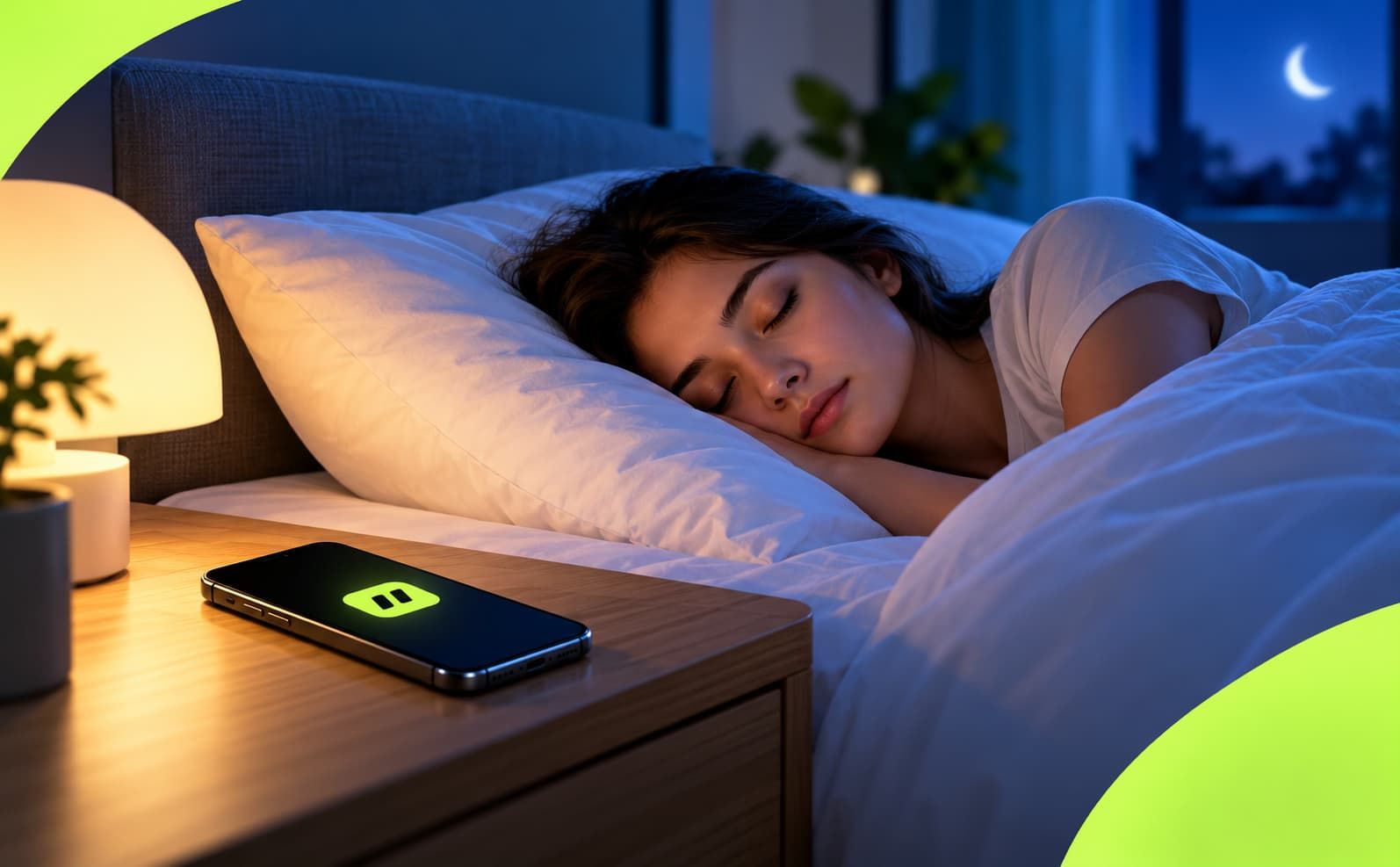
the Jolt Screen Time App to reduce phone usage before bed, which helps improve sleep quality by limiting screen exposure and distractions.
How To Measure Sleep Quality at Home?
Measuring your sleep quality at home can be simple and effective with a few mindful habits and tools:
- Track your sleep duration (aim for 7–9 hours).
- Notice how you feel on waking, refreshed or tired.
- Monitor night awakenings and how often they occur.
- Keep a sleep diary to record patterns and habits.
- Use apps like Apple Health or Jolt Screen Time.
- Check for consistent sleep and wake times.
- Observe daytime energy and focus levels.
By combining awareness with simple tracking, you can better understand your sleep and gradually improve its quality over time.
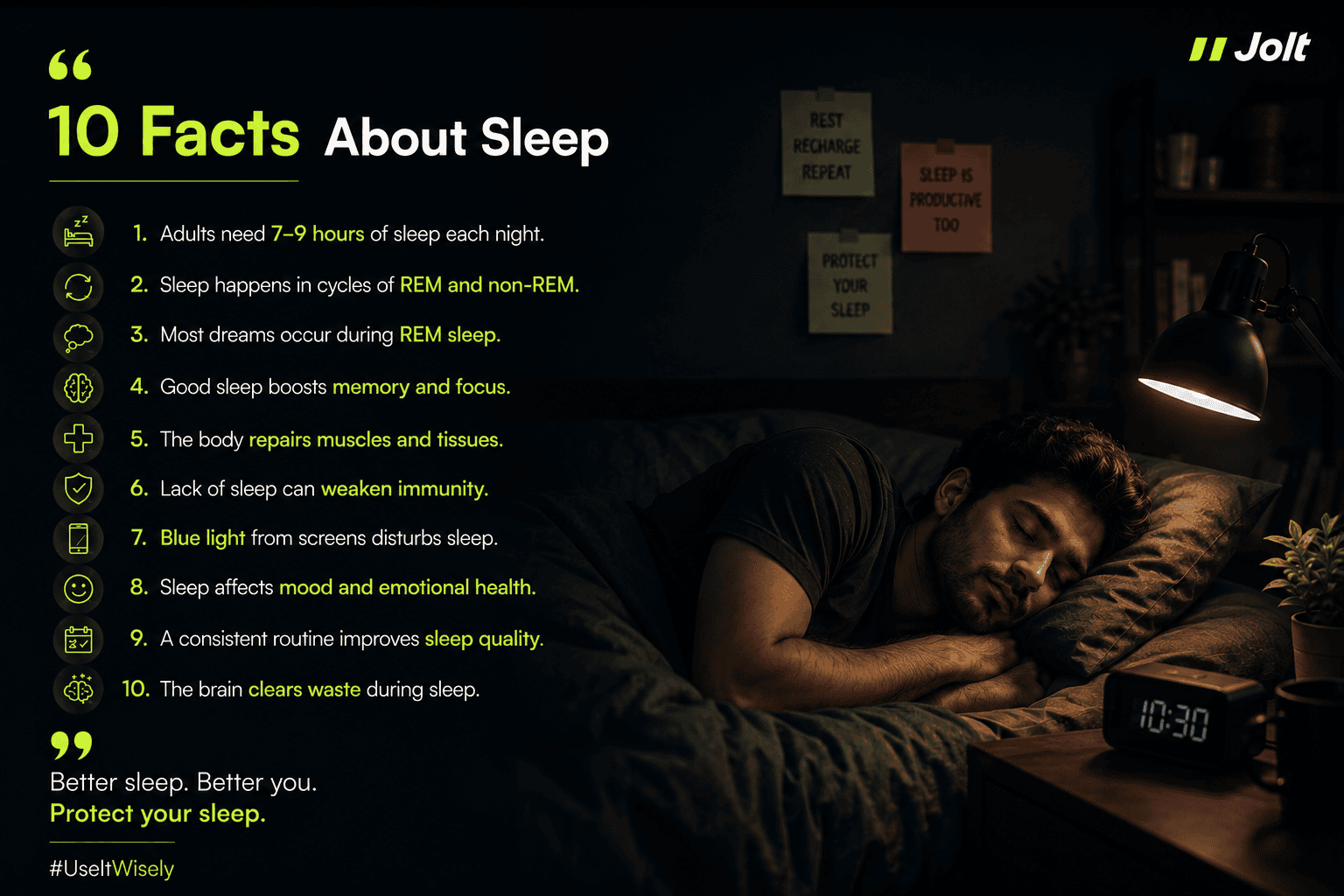
What Are 10 Facts About Sleep?
Sleep is one of the most fascinating and essential parts of our daily lives, quietly working behind the scenes to keep us healthy and balanced.
Here are some interesting facts about sleep:
- Adults generally need 7–9 hours of sleep each night.
- Sleep happens in cycles of REM and non-REM stages.
- Most dreams occur during REM sleep.
- Good sleep boosts memory and concentration.
- The body repairs muscles and tissues while you rest.
- Lack of sleep can weaken the immune system.
- Blue light from screens can disturb sleep patterns.
- Sleep strongly affects mood and emotional health.
- A consistent routine helps improve sleep quality.
- The brain actually clears waste during sleep.
Sleep is not just rest; it’s a powerful process that supports both your mind and body, helping you wake up refreshed and ready for a new day.
FAQs
How does sleep tracker work on iPhone?
Sleep tracking on an iPhone works using the built-in Apple Health and Sleep Focus features. Your phone uses motion sensors, screen activity, and scheduled sleep times to estimate when you fall asleep and wake up. If paired with an Apple Watch, it also tracks movement, heart rate, and breathing for more accurate sleep insights.
How does sleep help your brain?
Sleep helps your brain by strengthening memory, improving learning, and clearing waste through natural cleaning processes. It supports focus, decision-making, and emotional balance. During deep sleep, the brain organizes information and restores energy. Good sleep also reduces stress and lowers the risk of mental health issues over time.
How many hours should we sleep?
Most adults should sleep 7–9 hours per night for optimal health. Teenagers need about 8–10 hours, while children require even more depending on age. Consistent, quality sleep supports brain function, immunity, mood, and energy levels. Individual needs may vary slightly based on lifestyle, health, and daily activity levels.
What are the three main benefits of sleep?
The three main benefits of sleep are:
- Physical restoration – Repairs muscles and tissues, and boosts immune function.
- Brain function – Improves memory, learning, focus, and emotional regulation.
- Energy and metabolism – Restores energy levels, balances hormones, and supports healthy weight and overall body performance.
Do doctors recommend sleep tracking apps?
Doctors often see sleep tracking apps as helpful tools for awareness, not diagnosis. They can reveal patterns, bedtime habits, and disruptions. However, accuracy varies, so they shouldn’t replace medical advice. Professionals may recommend them alongside lifestyle changes, but serious sleep issues should still be evaluated by a qualified healthcare provider.
How to track sleep without a watch?
Track sleep without a watch by noting bedtime and wake time, journaling sleep quality, and using phone apps like Jolt Screen Time to monitor habits, reduce late-night usage, and set reminders. You can also observe energy levels, naps, and consistency patterns to understand and gradually improve your sleep routine.
What are the benefits of floor sleeping?
Floor sleeping can improve posture by keeping the spine aligned, reduce back pain for some people, and promote better circulation. It may also help with body awareness and flexibility. Additionally, a firm surface can prevent excessive sinking, leading to more natural sleeping positions and potentially improved sleep quality over time.
Conclusion: Tracking your sleep is a simple step toward a healthier, more energized life. With the help of a Sleep tracker and mindful habits, you can improve your routine, spot issues early, and wake up refreshed. Better sleep isn’t a luxury; it’s the foundation of your well-being.
Ref:

 Download Now
 Take charge of your time