What Is 432 Hz? Benefits for Sleep, Meditation & The Truth About the Hype
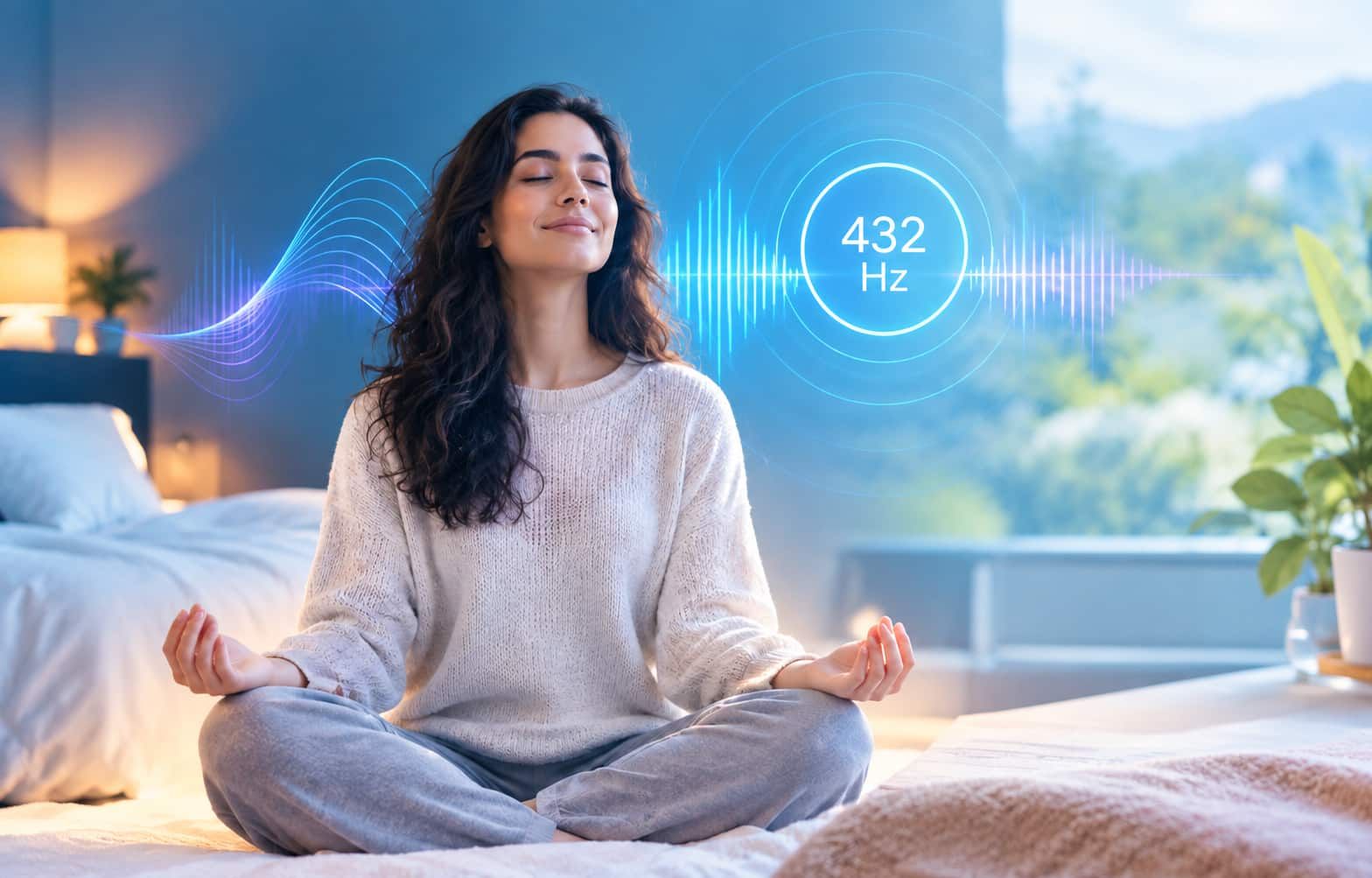
432 Hz is a music tuning that many people listen to for calm,
sleep, and meditation. It is often described as softer and more relaxing than standard 440 Hz tuning, which is why it has become popular in wellness playlists, bedtime routines, and mindfulness sessions.
Some listeners say it helps them feel less tense, more centered, and easier to settle before sleep, while others use it to create a quiet background for breathing or reflection.
Still, the big claims around 432 Hz are not fully proven, so it is important to understand both the benefits people notice and the truth behind the hype
What Is 432 Hz and Why Do People Listen to It?
432 Hz refers to the pitch used to tune music. Many modern instruments are tuned to 440 Hz, which is the standard reference frequency, while 432 Hz is a slightly lower tuning. That small shift can make music sound a little warmer or less sharp to some listeners.
People often call 432 Hz “healing” or “natural,” but those claims are not fully proven. What is true is that many people personally feel more relaxed when they listen to it.sciencedirect+2
Can 432 Hz Music Really Help You Sleep Better?
Many listeners use 432 Hz music at night because it may help create a calmer mood before bed.
Music itself has been studied as a sleep aid, and a
2024 NIH review found that music interventions showed a potential benefit for subjective sleep quality, although more high-quality studies are still needed.
Another review by
Research Gate found that music-based interventions may help
sleep quality when used for at least 3 weeks, but the evidence was still mixed.
Here is a simple table to show the difference between the claims and the evidence:
A practical example is this: if you feel tense after a long day, playing soft 432 Hz tracks for 20 to 30 minutes before bed may help you settle down, especially if you keep the room dark and reduce phone use.
Why 432 Hz Feels So Calming During Meditation
Meditation works best when the mind gets fewer distractions, and 432 Hz music may help some people enter that state more easily. Calm sound can make breathing slower, reduce mental noise, and support a more peaceful routine. That is one reason it is often used in yoga, breathwork, and guided meditation.
Another study cited in
PubMed found reduced anxiety during dental treatment when people listened to 432 Hz music.
These results are interesting, but they do not prove that 432 Hz is magic.
The Real Benefits People Notice With 432 Hz Music
People who enjoy 432 Hz often report these simple benefits:
- It feels softer and less harsh than 440 Hz.
- It may help the body feel calmer before sleep.
- It can support a quiet meditation routine.
- It may reduce stress for some listeners during break time.
- It can make background listening feel less irritating.
The key point is that these are often personal or short-term effects, not guaranteed medical results. Music can help mood, but one frequency alone does not fix poor sleep habits.
What Science Actually Says About 432 Hz
That does not mean 432 Hz is useless. It means it should be seen as a helpful tool, not a miracle cure. If it relaxes you, that is valuable. If it does nothing, standard relaxing music may work just as well.
How Jolt Helps You Protect Calm, Focus, and Better Sleep
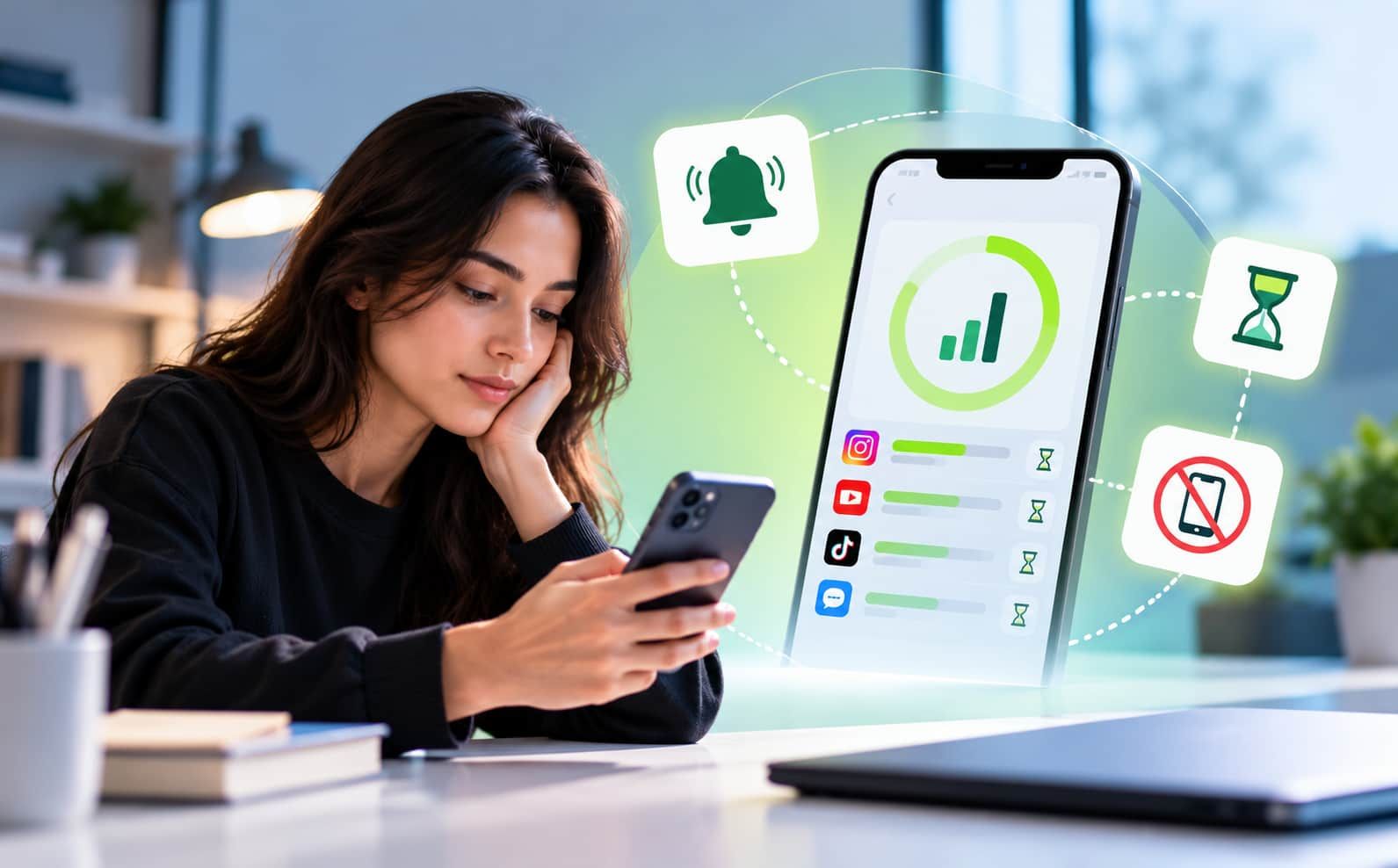
Jolt App helps you create the kind of phone habits that support real rest. When your mind is less pulled by late-night scrolling, it becomes much easier to enjoy 432 Hz music, relax fully, and drift into sleep without distraction.
Build a stronger bedtime routine
A peaceful night starts before the music plays. Jolt helps you
set app limits,
block distracting apps, and reduce the urge to check your phone again and again. That means your bedtime routine stays calm, simple, and steady.
Make relaxation feel deeper
432 Hz music works best when the environment is quiet and the mind is not overloaded. Jolt supports that by reducing digital noise, so your brain can settle faster and stay with the moment longer.
Features that make a real difference
- App limits help stop endless scrolling before bed.
- Focus sessions give you a clear period for meditation, reading, or winding down.
- Sleep mode supports a phone-free night routine.
- Smart blocks reduce the temptation to open distracting apps at the wrong time.
- Accountability tools help you stay consistent when willpower is low.
Many people try to relax but keep their phones close. That habit weakens sleep, attention, and peace of mind. Jolt helps close that gap by making it easier to choose calm over constant checking.
If someone listens to 432 Hz music while still replying to messages, the mind stays active. But if the phone is already limited and distractions are blocked, the same music can feel much more soothing and effective.
This is not just about screen control. It is about creating a better space for sleep, meditation, and recovery. Jolt helps people protect that space so calming habits actually work.
How to Use 432 Hz Music for Better Relaxation
If you want to try 432 Hz, keep it simple:
- Use it for 15 to 30 minutes before sleep.
- Keep the volume low.
- Pair it with deep breathing or meditation.
- Avoid bright screens while listening.
- Choose soft tracks without heavy beats.
A good habit is to make it part of a wider wind-down routine, not the only thing you rely on. For example, you can play 432 Hz music while putting your phone away, dimming the lights, and preparing for sleep.
The one who wants calmer nights and better focus, Jolt can support the digital side of that routine by helping
reduce screen time before bed, so the music has a better chance to do its job.
Frequently Asked Questions
- What is 432 Hz music?
Yes, 432 Hz music is a tuning style that many people find softer, calmer, and more relaxing than standard tuning.
- Does 432 Hz help with sleep?
Yes, it may help you relax before bed, but better sleep usually depends on your full nighttime routine too.
- Is 432 Hz good for meditation?
Yes, many people use it during meditation because it can create a peaceful mood and reduce mental distraction.
- Is 432 Hz scientifically proven?
No, strong scientific proof is limited, and most benefits are based on personal experience and small studies.
- Can phone habits affect sleep and relaxation?
Yes, too much screen time can keep your mind active, while healthier phone habits can support calmer nights.

 Download Now
 Take charge of your time


 Twinkle